Choosing an Ito Thin Film supplier is not simply a matter of comparing prices. Global buyers must examine conductivity, optical transmission, coating uniformity, substrate quality, and delivery reliability. A film may look clear under showroom lighting, yet show visible haze after lamination. Small differences matter.
In practical sourcing work, buyers usually compare sheet resistance, thickness tolerance, adhesion, surface roughness, panel dimensions, minimum order quantities, and packaging protection. They should also request recent test reports, production samples, and clear statements about quality control. A dependable supplier can explain its sputtering process without hiding behind vague technical language. It should also respond consistently when specifications change.
Hideo Hosono, a leading researcher in transparent conductive oxide materials, has expressed a useful principle: “Structure controls function.” That idea fits Ito Thin Film procurement closely. Film performance depends on material composition, layer design, deposition conditions, and post-treatment. Seven suppliers may offer similar figures, but their long-term stability can differ sharply.
This guide reviews seven Ito Thin Film suppliers for global buyers. It considers manufacturing capability, customization, technical support, export experience, and evidence of consistent performance. No ranking is perfect. Supplier information can change. That weakness matters.
Buyers should treat this list as a starting point, not a final decision. Compare samples under real operating conditions. Check the fine print. A lower quotation may become expensive when yield, rework, or delayed delivery enters the calculation. Reliable decisions come from measurable evidence, careful questions, and a willingness to challenge attractive claims.
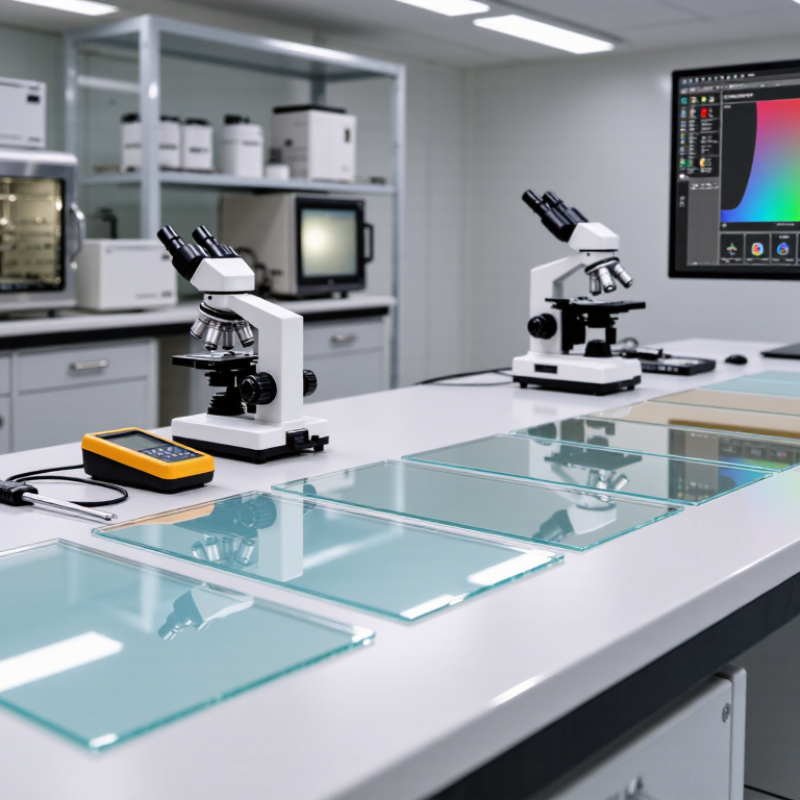
7 Best Ito Thin Film Suppliers for Global Buyers
What Is ITO Thin Film and Why Does It Matter?
ITO thin film is a transparent conductive coating made mainly from indium oxide and tin oxide. A common formulation contains about 90% indium oxide and 10% tin oxide by weight. It carries electrical current while allowing visible light to pass. That unusual balance supports touchscreens, display panels, sensors, solar devices, and laboratory electrodes.
Performance depends on more than conductivity. Buyers should check sheet resistance, visible transmittance, haze, coating thickness, adhesion, and surface uniformity. Many 2024 market assessments forecast ITO demand growth of roughly 5% to 7% annually through 2030. Estimates vary because report definitions differ. The USGS Mineral Commodity Summaries 2024 reported global indium refinery production at approximately 900 metric tons in 2023. Indium is mainly recovered as a zinc-processing byproduct. Supply can therefore feel less predictable than the coating process suggests. The material is not perfect. It can crack during bending, and lower resistance may reduce optical clarity.
Tips: Ask suppliers for recent test reports, not only datasheet targets. Confirm testing standards, substrate size, allowable resistance variation, and packaging conditions. For flexible applications, request bend-cycle data. For precision optics, examine haze and spectral transmission at the intended wavelength. I have found that small differences in coating uniformity can create visible defects across a large panel. That detail is easy to underestimate. Also compare pilot samples before approving volume production.

ITO thin film combines high electrical conductivity with strong visible-light transmission, making it suitable for touchscreens, flat-panel displays, photovoltaic devices, and electrochromic glass. The chart shows representative sheet-resistance ranges commonly specified for major application categories. Lower sheet resistance generally indicates better electrical conductivity, while the final performance also depends on optical transmission, film thickness, substrate, and deposition conditions.
7 Best ITO Thin Film Suppliers for Global Buyers
Key Criteria for Evaluating Global ITO Thin Film Suppliers
Choosing an ITO thin film supplier requires more than comparing prices. Check sheet resistance, optical transmission, film thickness, and coating uniformity across the entire substrate. Ask for recent test reports, not generic specifications. A reliable supplier should explain measurement methods and acceptable tolerances clearly. Small differences matter. They can affect touch sensitivity, display brightness, or heating performance.
Evaluate production experience through samples and pilot orders. Inspect adhesion after bending, cleaning, and temperature changes. Confirm the substrate type, available dimensions, surface quality, and packaging method. Traceability is essential; each batch should connect to production records and inspection data. Also review capacity, lead times, defect handling, and communication across time zones. Certifications may support confidence, but they should not replace technical verification. I have seen attractive documents hide inconsistent sample performance. That risk deserves attention.
Tips: Request three samples from different batches. Measure them independently when possible. Compare the supplier’s results with your laboratory data. Clarify replacement terms before placing a large order. Do not ignore packaging; scratched films can create expensive delays. A supplier may promise flexibility, yet actual capacity can change during peak demand. Ask direct questions, record every answer, and leave room for another technical review.
Global buyers often compare seven ITO thin film supplier profiles: high-volume coating plants, custom engineering houses, flexible-substrate specialists, low-resistance coating experts, optical-grade producers, research-scale manufacturers, and regional distributors. Each group serves different project pressures. High-volume plants offer stable batch capacity, while engineering houses adjust thickness, sheet resistance, and substrate size.
Flexible-substrate specialists support PET or other polymer films for touch panels and heaters. Optical-grade producers focus on visible transmission, haze control, and surface uniformity. Research-scale suppliers help teams test new stack designs with smaller lots. Regional distributors may shorten delivery times, but technical support can vary. Ask for recent inspection data, not only a polished datasheet. ITO performance can shift with humidity, bending, cleaning, and storage.
Tips
Request samples from at least three supplier types. Measure sheet resistance at several points across each sample. Check adhesion after thermal cycling and repeated bending. Confirm packaging details, coating direction, tolerances, and replacement procedures. A supplier may quote an attractive price, yet inconsistent edge quality can increase production waste. I have also found that “transparent” does not always mean optically suitable; transmission depends on wavelength, thickness, and the finished device structure.
| Supplier Profile | Primary ITO Thin-Film Format | Common Sheet-Resistance Range | Typical Visible-Light Transmission | Common Substrate and Thickness | Customization Options | Key Strength for Global Buyers | Typical Applications |
|---|---|---|---|---|---|---|---|
| Supplier Profile 1 High-Transparency Specialist |
Flexible indium tin oxide coating on polyethylene terephthalate (PET) | Approximately 30–300 Ω/sq, depending on coating thickness and optical target | Commonly 80% or higher in the visible range; exact performance depends on wavelength and construction | PET film, commonly about 100–188 μm substrate thickness | Roll-to-roll coating, slit widths, adhesive lamination, protective hard coat, and custom electrode patterns | Suitable for buyers prioritizing optical clarity, light weight, and flexible handling | Touch panels, flexible displays, transparent heaters, and sensor electrodes |
| Supplier Profile 2 Low-Resistance Specialist |
Conductive ITO-coated glass and rigid transparent-conductor panels | Approximately 5–30 Ω/sq for low-resistance configurations | Commonly about 80–90%, subject to resistance, glass thickness, and optical design | Soda-lime or borosilicate glass; common glass thicknesses include 0.4–3.0 mm | Laser patterning, chemical etching, busbar integration, edge deletion, and custom panel cutting | Strong option for applications requiring lower electrical resistance and dimensional stability | Flat-panel sensors, electrochromic devices, laboratory instruments, and display components |
| Supplier Profile 3 Large-Format Roll Supplier |
Continuous ITO-coated PET rolls for high-volume converting | Approximately 60–500 Ω/sq across different commercial grades | Typically 80% or higher for transparent-electrode grades | PET rolls, commonly 100–250 μm total film thickness depending on coating and protective layers | Custom roll width, roll length, slit rolls, winding direction, surface treatment, and packaging | Efficient for large-volume buyers seeking repeatable roll supply and reduced converting waste | Touch sensors, printed electronics, transparent antennas, and high-volume membrane switches |
| Supplier Profile 4 Patterned-Electrode Specialist |
Pre-patterned ITO glass or ITO film with defined transparent electrode tracks | Commonly 10–200 Ω/sq before patterning, depending on the selected grade | Often 80% or higher in unpatterned active areas; patterned-area appearance depends on design | Glass or PET substrates; substrate selection depends on rigidity, bending, and assembly requirements | Photolithography, laser etching, screen printing, fine-line electrodes, connector tails, and custom layouts | Reduces downstream patterning work for buyers needing application-specific electrode geometries | Capacitive touch sensors, medical controls, industrial HMIs, and electronic test components |
| Supplier Profile 5 Display-Component Supplier |
ITO-coated glass optimized for display and liquid-crystal-device assembly | Approximately 10–100 Ω/sq, selected according to pixel structure and display design | Commonly 80–90% for transparent display-electrode constructions | Display glass, commonly supplied in thin rigid formats from sub-millimetre thickness upward | ITO thickness control, photolithographic patterning, alignment marks, edge finishing, and inspection reports | Useful for buyers requiring controlled surface quality, dimensional accuracy, and repeatable electrode patterns | Liquid-crystal displays, display test panels, optical modulators, and specialty instrumentation |
| Supplier Profile 6 Transparent-Heater Specialist |
ITO-coated glass or flexible film designed for transparent resistive heating | Commonly 10–100 Ω/sq; the required value depends on heating area, voltage, and target temperature | Typically 80% or higher when optical transmission is prioritized | Glass for rigid heaters or PET for flexible heaters; thickness selected for thermal and mechanical requirements | Heating-zone patterns, busbars, terminals, laminated structures, and custom voltage or resistance targets | Supports transparent defogging and anti-condensation designs while retaining visible transparency | Automotive glazing, camera windows, optical instruments, display windows, and sensor covers |
| Supplier Profile 7 Research and Specialty-Grade Supplier |
Small-batch ITO-coated glass or polymer substrates for prototyping and laboratory use | Commonly 8–500 Ω/sq, with multiple grades available for experimental designs | Frequently 80% or higher, although specialty coatings may prioritize conductivity over transmission | Microscope-slide formats, cut glass, PET sheets, and other small-format substrates | Small quantities, custom dimensions, surface cleaning, transparent electrode patterning, and technical documentation | Flexible ordering and specification support for universities, laboratories, and early-stage product development | Biosensors, electrochemistry, organic electronics, photovoltaics, and materials research |
Comparing ITO thin film suppliers requires more than checking catalog photos. In practical sourcing work, I examine sheet resistance, visible transmittance, haze, thickness, and coating uniformity. Ask for recent inspection reports, not only standard specifications. A useful sample should show stable readings across its surface. Test it after bending, cleaning, and temperature exposure when the final application requires durability. Adhesion results matter too. A beautiful surface can still fail during lamination. That happens.
Pricing needs a wider calculation. Compare the cost per usable square meter, not merely the quoted unit price. Include minimum order quantities, cutting fees, protective films, packaging, testing, and freight. Clarify whether the quotation uses EXW, FOB, or another delivery term. A low quote may hide expensive rejects or long setup charges. I have seen this mistake create more waste than savings. Request a tiered quotation for samples, pilot orders, and regular production. Payment terms also affect cash flow. Keep records.
Delivery capability should be measured with evidence. Check standard lead times, monthly capacity, holiday schedules, and backup production plans. Ask how the supplier handles coating defects, damaged rolls, and delayed materials. Reliable suppliers provide batch numbers, packing images, and shipment updates. Confirm export documents before placing a large order. A supplier may promise fast delivery, yet lack ready stock. That risk deserves a written commitment. Leave room for inspection time and customs delays. Perfect forecasts are rare.
Selecting an ITO thin film supplier requires more than comparing price per square meter. Define the application first: touch panels, displays, sensors, or laboratory devices. Record the required sheet resistance, visible transmittance, haze, coating thickness, substrate type, and usable dimensions. A supplier should provide recent test reports, not only catalogue averages.
Test the coating.
The USGS Mineral Commodity Summaries 2024 identifies indium as mainly a byproduct of zinc processing. It also shows that refined indium production is highly concentrated in Asia. This supply structure can affect lead times and price stability. Ask suppliers about indium sourcing, recycling practices, production capacity, and backup facilities. Request batch-level traceability and confirm whether samples represent regular production.
Demand evidence.
Evaluate technical consistency through three or more sample batches. Check resistance at several points across each sheet, then repeat after bending, heating, or humidity exposure. ASTM-related testing methods can improve comparison, but suppliers may interpret test conditions differently. Clarify temperature, humidity, probe spacing, and measurement equipment. A low quote can still become expensive after rejected panels, customs delays, or unstable coating performance. I would also review packaging details, minimum order quantities, replacement terms, and realistic delivery records. Supplier websites often sound precise; actual data may be less perfect. That gap deserves careful questioning.