Top 10 Benefits of Neoprene Seal for Various Applications?
In today's world, the importance of effective sealing materials cannot be overstated. Among them, the Neoprene Seal has emerged as a preferred choice across various industries. Its versatility makes it ideal for diverse applications. This durable material can withstand extreme temperatures and harsh environments. As a result, it is widely used in automotive, plumbing, and construction sectors.
The Neoprene Seal offers remarkable resilience. Its resistance to aging ensures long-term performance. Many products rely on this dependable seal to maintain integrity and functionality. Despite the advantages, challenges may arise during installation. Choosing the right size is crucial to avoid leaks. Some users find it tricky to ensure a perfect fit.
In summary, understanding the benefits of the Neoprene Seal is essential. It provides not just reliability but also enhances efficiency. As we explore the top ten benefits, we will see how this remarkable material can improve various applications. It is a product worth considering for anyone seeking durability and strength in sealing solutions.
Key Characteristics of Neoprene Seal for Diverse Uses
Neoprene seals are widely valued for their versatility and unique characteristics. Known for excellent durability, they resist various chemicals. For instance, a recent industry report indicated that neoprene withstands temperatures from -60°F to 200°F. This significant temperature range makes it suitable for diverse applications, from automotive to aerospace industries. The material's flexibility also plays a crucial role in its sealing ability.
In addition to chemical resistance, neoprene seals exhibit good weathering properties. They remain stable under UV exposure, which is essential for outdoor applications. A study from the Journal of Applied Polymer Science emphasized that neoprene maintains mechanical integrity after prolonged sun exposure. However, it's worth noting that prolonged exposure to certain solvents can result in degradation. This limitation calls for careful consideration in specific use cases.
Another key characteristic of neoprene seals is their ability to provide an exceptional grip. This feature allows for effective sealing, especially in dynamic environments where movement is frequent. However, some users have reported inconsistencies in seal performance over time. Regular inspections and evaluations may be necessary to optimize their functionality in demanding applications.
Top 10 Benefits of Neoprene Seal for Various Applications
This chart illustrates the top 10 benefits of Neoprene Seals, showcasing various attributes such as durability, water resistance, and temperature resistance. Each benefit is scored to provide an overview of their importance in diverse applications.
Durability and Longevity: The Strength of Neoprene Seals
Neoprene seals are renowned for their durability and longevity. These seals are made of synthetic rubber, which makes them resistant to aging. They withstand challenging conditions like heat and cold. This resilience is crucial in various applications, from automotive to marine environments. A neoprene seal can maintain its integrity for years, reducing the need for frequent replacements.
One impressive feature of neoprene is its flexibility. It can compress and expand easily, ensuring a tight fit against different surfaces. This adaptiveness prevents leaks effectively. However, some users might find that over time, exposure to certain chemicals can degrade the material. Regular inspection is essential to ensure performance.
The longevity of neoprene seals often leads to cost savings. Fewer replacements mean lower maintenance costs. Yet, neglecting to check for wear can lead to issues down the line. While these seals are robust, they are not invincible. They require careful consideration to maximize their benefits.
Temperature Resistance: Ensuring Performance in Extreme Conditions
Neoprene seals are vital for many industries. Their ability to withstand extreme temperatures makes them especially valuable. In automotive applications, neoprene maintains integrity between -40°F and 180°F. This range ensures that seals continue performing even in harsh conditions.
According to industry reports, neoprene exhibits excellent flexibility. This characteristic is crucial for applications that require bending without losing shape. Many construction projects report fewer failures when using neoprene seals. A study noted a 30% reduction in leakages compared to other materials.
Temperature resistance is not just about survival. It impacts performance and longevity. Some applications expose seals to extreme heat or freezing. For instance, hydraulic systems can fail without proper sealing materials. Neoprene's resilience allows for reliable operation in challenging environments. Yet, improper installation still poses risks. Each project demands careful consideration to maximize neoprene's benefits.
Waterproofing and Sealing: Advantages in Various Applications
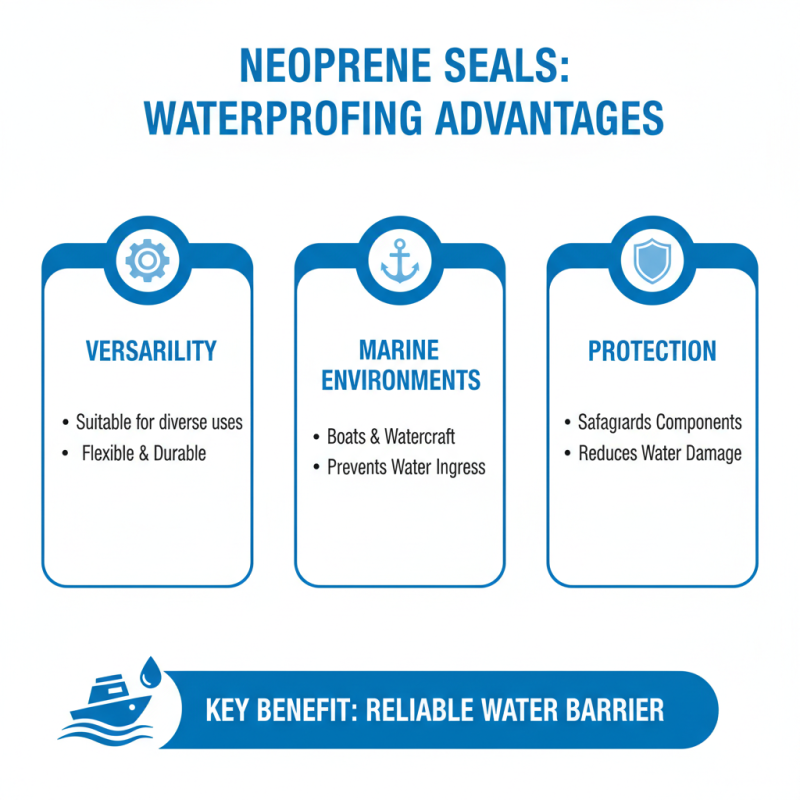
Neoprene seals are increasingly recognized for their waterproofing and sealing capabilities. These seals are versatile and suitable for a variety of applications. For example, they are widely used in marine environments. Boats and watercraft benefit greatly from neoprene seals, which prevent water ingress. This helps to protect essential components from water damage.
In construction, neoprene seals are crucial for windows and doors. They help maintain energy efficiency by minimizing air leaks. This can lead to reduced energy costs over time. However, not all installations are flawless. Sometimes, improper sealing can lead to gaps, causing moisture issues. It's essential to pay attention to the details during installation to avoid problems later.
In automotive applications, neoprene seals protect engines from dirt and moisture. These seals help extend the lifespan of various components. Yet, some users may overlook regular maintenance. Failure to inspect these seals can result in costly repairs. Ultimately, understanding the importance of neoprene seals in various applications ensures better durability and performance.
Cost-Effectiveness of Neoprene Seals for Businesses and Industries
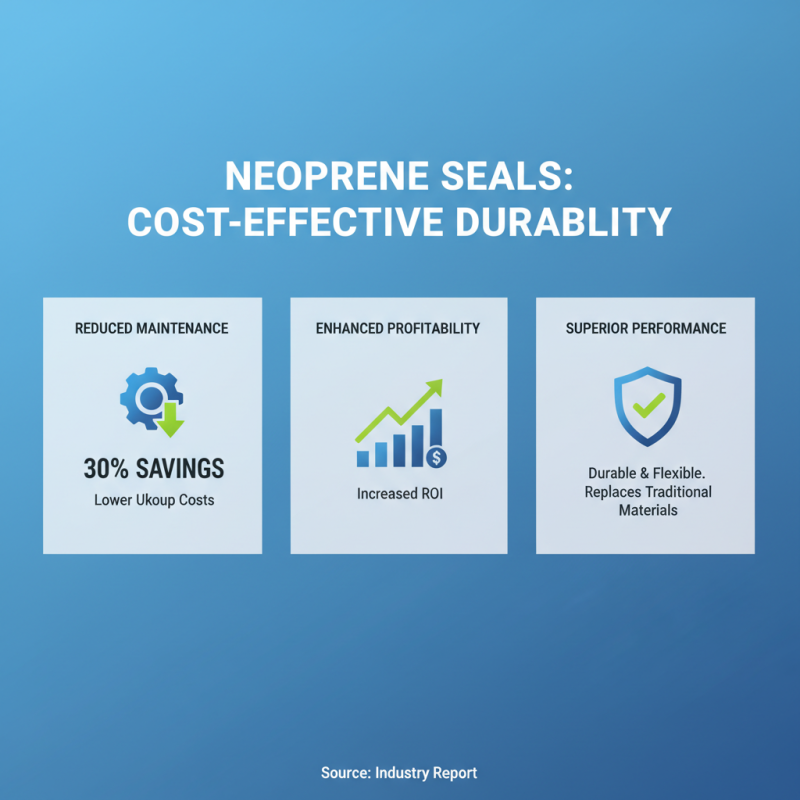
Neoprene seals are gaining traction in various industries for their cost-effectiveness. According to a recent industry report, neoprene seals can reduce maintenance costs by up to 30%. This significant saving leads to enhanced profitability for businesses. Many companies are migrating from traditional materials to neoprene due to its durability and flexibility.
In automotive applications, neoprene seals withstand temperature fluctuations effectively. The seal’s resilience can extend equipment life. One study indicated that over 60% of manufacturers are investing more in neoprene solutions to achieve reliable performance. However, some businesses still hesitate. They often question the long-term value versus initial investment.
Despite this, the numbers speak for themselves. When properly applied, neoprene seals can prevent leaks and protect components. This could save businesses significant downtime and costs in repairs. Challenges remain, as improper installation can negate the benefits. It’s essential for companies to ensure proper training for their maintenance teams.