Top Benefits of Neoprene Seal for Industrial Applications?
In today's industrial landscape, the importance of reliable sealing solutions cannot be overstated. Neoprene seals have emerged as a preferred choice for many applications due to their unique properties. Dr. Emily Carter, an expert in materials science, emphasizes, "Neoprene seals offer unmatched flexibility and durability, making them ideal for diverse industrial needs." This statement captures the essence of why these seals are widely used.
Neoprene seals excel in environments that demand resistance to oils, chemicals, and extreme temperatures. They provide a dependable barrier, preventing leaks and improving overall efficiency. Industries ranging from automotive to pharmaceuticals have embraced these seals for their robustness and versatility. However, one must consider the specific requirements of each application, as not all neoprene types are created equal.
Despite their advantages, there are concerns about the long-term performance of Neoprene seals in harsh conditions. Some users report wear and degradation over time. This highlights the need for careful selection and ongoing evaluation of seal integrity. Engaging in regular maintenance will help ensure that Neoprene seals continue to meet the demands of modern industrial applications.
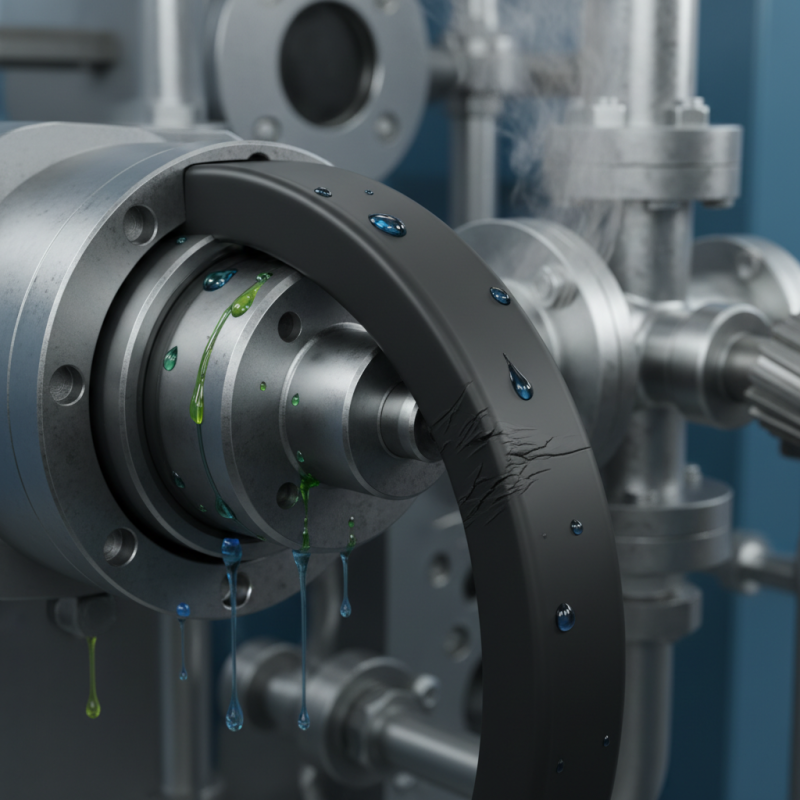
Advantages of Neoprene Seal in Industrial Settings
Neoprene seals are becoming a vital component in various industrial applications. Their unique properties offer significant advantages. One primary benefit is their resistance to extreme temperatures. Neoprene maintains flexibility between -40°C and 120°C. This temperature range makes it suitable for applications in refrigeration and high-heat environments.
Additionally, neoprene is inherently resistant to chemicals and oils. A report from the International Rubber Study Group highlights that neoprene withstands exposure to many solvents. This characteristic makes it ideal for use in automotive and chemical processing sectors. With a tensile strength of around 2,500 psi, it provides reliable sealing solutions under pressure.
Neoprene's durability leads to lower maintenance costs. Industrial operations want materials that last, reducing downtime. However, some users report that neoprene may degrade under constant exposure to UV light. This presents a challenge for outdoor applications. Still, overall, the benefits typically outweigh these drawbacks. Industries continuously seek robust materials, and neoprene seals are a prime choice.
Top Benefits of Neoprene Seal for Industrial Applications
| Benefit |
Description |
Applications |
| Durability |
Neoprene seals are resistant to wear, tearing, and UV degradation. |
Used in manufacturing equipment, automotive, and marine applications. |
| Temperature Resistance |
Can withstand a wide temperature range, making it suitable for diverse environments. |
Applicable in refrigeration systems, HVAC units, and high-temperature machinery. |
| Chemical Resistance |
Highly resistant to oils, gasoline, and many chemicals, ensuring longevity. |
Ideal for petrochemical industries, food processing, and laboratories. |
| Flexibility |
Offers excellent flexibility, which helps in maintaining a proper seal under compression. |
Used in dynamic applications where movement is present, such as pipelines. |
| Aesthetic Versatility |
Available in various colors and finishes, enhancing product appearance. |
Utilized in consumer products, electronics, and decorative applications. |
Durability and Resistance of Neoprene in Harsh Environments
Neoprene seals play a crucial role in various industrial applications. Their durability stands out, especially in harsh environments. These seals can resist extreme temperatures, moisture, and chemicals. This makes them ideal for use in manufacturing and marine sectors. Whether it's exposure to oils or saltwater, neoprene maintains integrity over time.
The remarkable flexibility of neoprene adds another layer of value. This material can handle movement and deformation without losing its sealing properties. In applications where precision is critical, this is essential. However, not all neoprene seals are created equal. The quality can vary, leading to potential vulnerabilities. Companies must choose wisely, considering the specific demands of their environment.
While neoprene excels in many situations, it is not infallible. Heavy UV exposure can degrade it over time. In some cases, users may overlook regular inspections, leading to unintended failures. It's a reminder that consistent maintenance is vital. Understanding these limitations helps industries maximize the benefits of neoprene seals.
Cost-Effectiveness of Neoprene Seals for Long-Term Use
Neoprene seals have gained popularity in various industrial applications. Their cost-effectiveness over time is a key advantage. These seals provide reliable performance, reducing the need for frequent replacements. Industries that demand durability can benefit immensely from using neoprene. This material resists heat, chemicals, and moisture, prolonging its lifespan.
When considering long-term use, neoprene seals often prove to be a wiser investment. Initial costs may seem high, but their durability translates to savings. Fewer replacements mean reduced labor costs and operational downtime. However, not all applications will succeed with neoprene alone. Evaluating specific environmental factors is crucial. For instance, extreme temperatures can affect performance.
Additionally, the effectiveness of neoprene can vary based on formulations and applications. While it presents numerous benefits, one must remain cautious. A thorough understanding of the conditions surrounding the use of neoprene seals is important. It is vital to choose the right type based on specific needs. This attention to detail can enhance the overall performance and cost-effectiveness of seal solutions.
Versatility of Neoprene Seals Across Various Industries
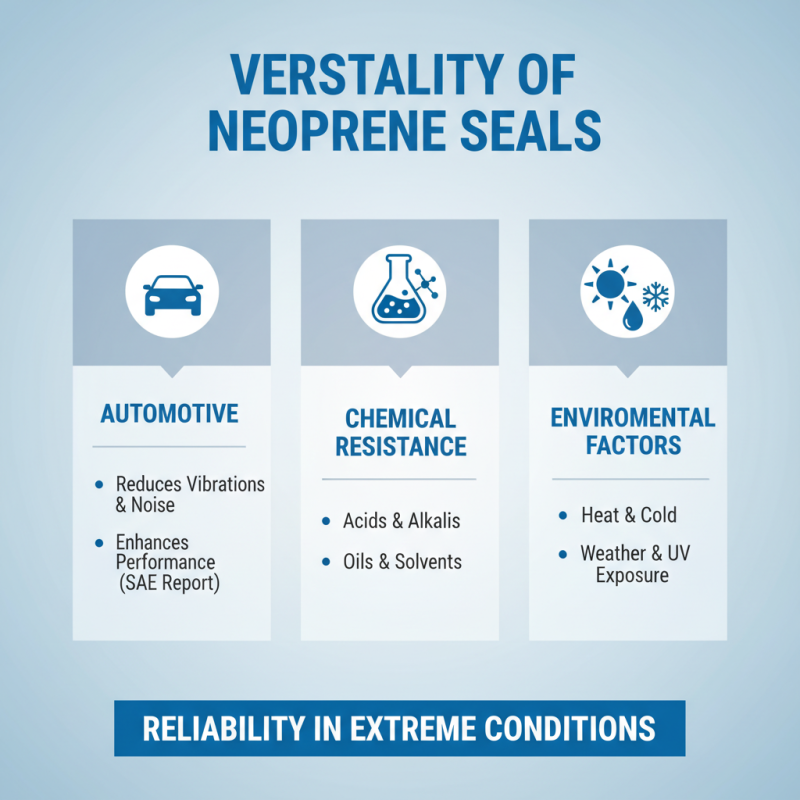
Neoprene seals are gaining traction across various industries due to their impressive versatility. This material offers excellent resistance to heat, chemicals, and environmental factors. In the automotive sector, for instance, a report by the Society of Automotive Engineers (SAE) states that neoprene seals effectively reduce vibrations and noise levels, enhancing vehicle performance. Such properties make neoprene invaluable in applications where reliability is crucial.
In the construction industry, neoprene seals are becoming prominent in waterproofing solutions. A study from the Construction Industry Research and Information Association highlights that neoprene's durability leads to longer-lasting structures. These seals prevent water intrusion, safeguarding buildings from damage. However, the challenge lies in ensuring the right fit and application, as improper installation can compromise their effectiveness.
Marine applications also benefit significantly from neoprene seals. Their resistance to saltwater and UV rays makes them ideal for boats and coastal structures. Yet, it's essential to acknowledge that variations in neoprene quality can impact performance. Conducting thorough testing and quality control is vital to meet rigorous standards. This aspect demonstrates that while neoprene seals are a go-to solution, attention to detail remains crucial for optimal outcomes.
Ease of Installation and Maintenance of Neoprene Seals
Neoprene seals are increasingly popular in various industrial applications. Their ease of installation and maintenance makes them highly desirable. Many industries appreciate the simplicity of fitting these seals into systems. Workers can complete the installation with basic tools. This reduces downtime and enhances productivity.
Maintenance is another strong point for neoprene seals. They are resilient and can withstand harsh environments. Regular checks can ensure they remain effective. Any wear can often be addressed quickly. This reduces the need for extensive maintenance schedules. The straightforward design allows for replacements without complicated procedures.
Yet, there are challenges. Proper sealing is crucial to avoid leaks. If the installation is rushed, issues may arise. It's essential to ensure that the surface is clean before applying the seal. Neglecting this can lead to premature failure. Regular training for staff on best practices is beneficial. It helps in recognizing and addressing potential problems early.