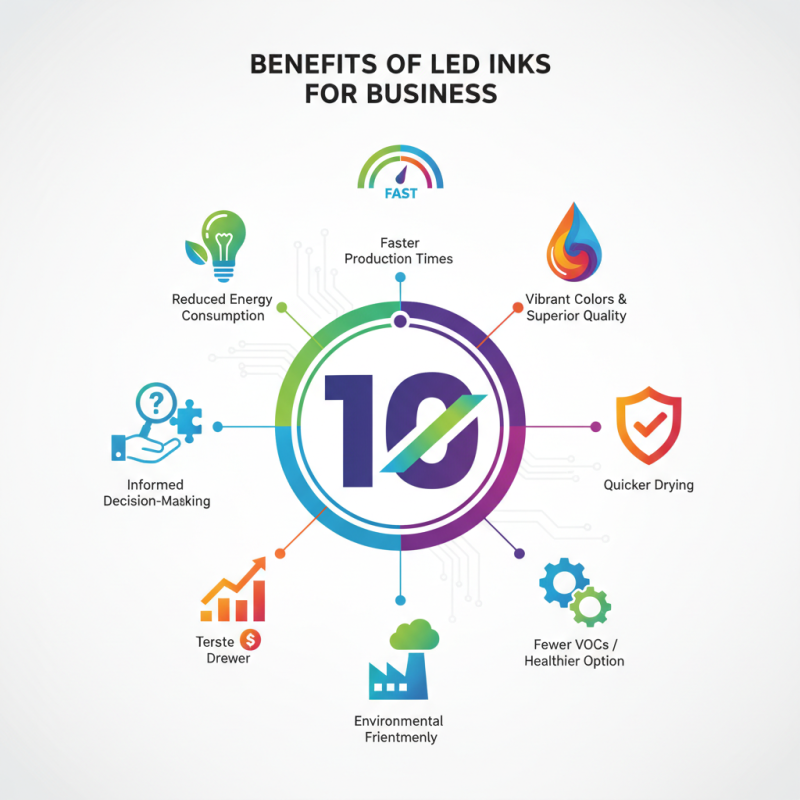
In the fast-evolving landscape of printing technology, businesses constantly seek effective solutions to enhance their output. One such innovation is the use of LED inks. These inks offer a range of significant benefits, making them a viable choice for modern enterprises. By utilizing LED inks, businesses can access vibrant colors and superior quality while reducing energy consumption.
LED inks dry quickly, allowing for faster production times. They reduce the need for extensive drying processes, saving time and resources. Additionally, these inks contain fewer volatile organic compounds (VOCs), making them a healthier option for both workers and the environment. This aspect aligns with an increasing demand for sustainable practices in the industry.
Despite these advantages, not every business may find LED inks suitable for their specific needs. It is crucial to evaluate factors like cost and compatibility with existing equipment. Understanding these aspects ensures a well-informed decision. By exploring the top benefits of LED inks, companies can better grasp how to leverage this technology effectively.
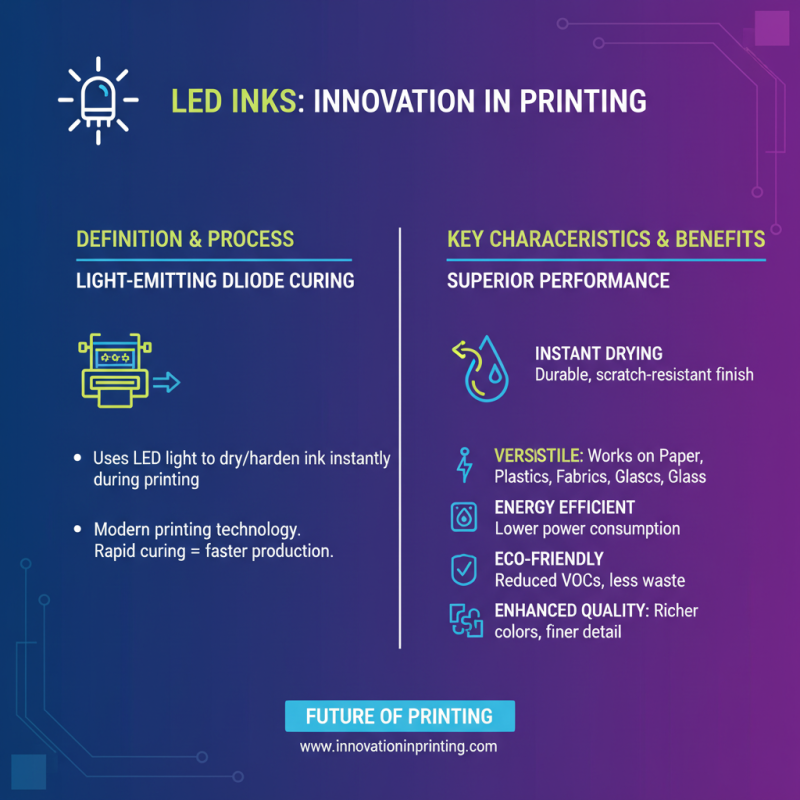
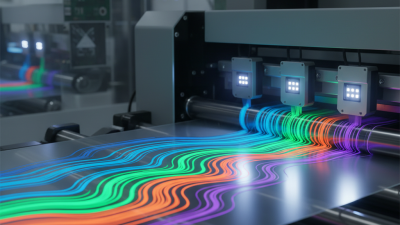
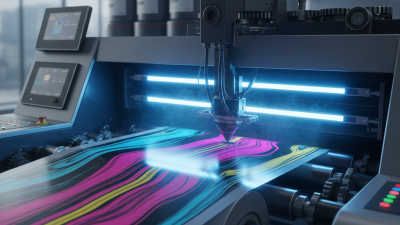
LED inks are a modern innovation in the printing industry. They utilize light-emitting diodes to cure the ink during the printing process. This technology is effective for a variety of substrates, including paper and plastic. The performance of LED inks sets them apart from traditional inks, offering unique characteristics that benefit businesses.
One significant feature of LED inks is their fast curing time. This allows for quicker print runs and improves productivity. Moreover, LED inks often produce vibrant colors and sharp images. They have a lower environmental impact due to reduced volatile organic compounds (VOCs). This makes them a more sustainable choice for environmentally-conscious businesses.
Despite these advantages, it's important to recognize potential challenges. The initial setup costs for LED printing equipment can be high. Additionally, not all substrates are compatible with this technology. Businesses should evaluate their specific needs before committing to LED inks. Each option has its pros and cons. Understanding these nuances will guide better decision-making for your printing operations.
The environmental impact of LED inks is significant for sustainable printing practices. Traditional inks often contain solvents and harmful chemicals. These can pollute air and water. In contrast, LED inks use UV light for curing. This process emits fewer volatile organic compounds (VOCs), making them safer for the environment.
Another advantage is the energy efficiency of LED inks. They cure quickly, reducing energy consumption during production. This efficiency helps lower the carbon footprint of printing operations. However, transitioning to LED inks can be challenging for some businesses. They may require new equipment and employee training.
Despite these hurdles, the long-term benefits are clear. LED inks enhance print quality while minimizing environmental harm. They support a shift toward greener practices in the printing industry. As businesses strive for sustainability, LED inks represent a viable option. However, companies must weigh these benefits against the initial investment costs.
LED inks are revolutionizing the printing industry. They offer remarkable cost efficiency over traditional inks. By using LED inks, businesses can significantly reduce their long-term printing expenses. The quick-drying nature of LED inks allows for faster production times, increasing overall productivity. Also, they require less energy during the curing process, leading to lower operational costs.
When considering a switch to LED inks, keep in mind the initial investment. It may seem high at first. However, the savings on ink and reduced waste can balance this over time. Many businesses have reported cutting down their ink costs by up to 30%. This is a significant number that highlights the potential impact on your bottom line.
Tip: Always compare the performance of LED inks versus conventional inks before committing. Look at your current volume and costs. Experimentation might reveal surprising outcomes. This thoughtful approach can maximize your savings. Lastly, watch for any inconsistencies in print quality. Continuous improvement and adaptation are necessary in any evolving industry.
LED inks are revolutionizing the print industry. They offer increased vibrancy and accuracy, enhancing the overall print quality. Recent studies show that LED curing can improve color saturation by up to 30%. This results in sharper images and more vivid colors, capturing consumer attention effectively.
Moreover, LED inks are more environmentally friendly. They emit fewer volatile organic compounds (VOCs), reducing harmful emissions during the printing process. Reports indicate that using LED technology can cut VOC emissions by nearly 50%. However, adapting to LED inks requires careful consideration and investment. Not all materials work well with LED curing, which can lead to inconsistent quality if not managed properly.
The longevity of prints using LED inks is worth mentioning. Research shows these prints can last three to five years longer than traditional inks. Yet, achieving optimal durability might involve experimentation with various substrates. It's essential to weigh these benefits against possible challenges in material compatibility. Often, printers find themselves reevaluating their processes to maximize LED ink advantages.
LED inks have revolutionized various industries due to their versatility. These inks cure quickly and provide excellent adhesion to a range of substrates. This characteristic allows businesses in packaging, textiles, and signage to benefit significantly from LED technology. Imagine printing vibrant graphics on flexible materials without waiting for long drying times. It’s a game changer for production speed and efficiency.
In the world of eco-friendly printing, LED inks shine. They emit minimal volatile organic compounds, aligning with sustainability goals. Many businesses are drawn to this aspect, aiming for greener options. Additionally, LED inks maintain color integrity under various conditions. However, not all applications may suit LED printing. Companies need to evaluate their specific needs carefully. It’s essential to balance potential benefits with practical challenges.
| Benefit | Description | Industry/Application |
|---|---|---|
| Fast Curing | LED inks cure quickly under UV light, speeding up production times. | Printing, Packaging |
| Environmentally Friendly | Lower VOC emissions compared to traditional solvent inks, reducing environmental impact. | Labeling, Textile Printing |
| Durability | LED inks provide long-lasting prints that are resistant to scratching and fading. | Outdoor Signage, Packaging |
| Vibrant Colors | Produces brilliant, high-quality colors that stand out. | Graphic Design, Advertising |
| Versatile Substrate Compatibility | Suitable for a wide range of materials including plastics, paper, and metal. | Industrial Printing, Labels |
| Cost-Effectiveness | Reduced curing times and lower material waste lead to lower production costs. | Manufacturing, Point of Sale |
| Safety | Minimal risk of chemical exposure with non-toxic formulations. | Food Packaging, Child Products |
| No Need for Deep Curing | LED technology eliminates the need for high-temperature curing processes. | Electronics, Sensitive Materials |
| Lower Waste Generation | Less ink is wasted during printing, benefiting both cost and the environment. | Sustainable Printing, Green Initiatives |
| Consistent Quality | High level of consistency in print quality across multiple runs. | Commercial Printing, Publication |