2026 How to Choose the Best Flat Membrane Keypad for Your Project?
Choosing the right Flat Membrane Keypad for your project can be daunting. These versatile devices play a crucial role in user interfaces. Understanding your needs is essential for making the best decision.
Flat Membrane Keypads offer a range of features. Different materials, sizes, and button layouts can impact functionality. For example, a keypad designed for outdoor use should resist moisture and temperature changes. However, many overlook this during the selection process.
Accessibility is another major factor. The size and spacing of buttons should cater to all users. While a compact design may seem appealing, it can lead to usability issues. Reflecting on these aspects can help you avoid common pitfalls and ensure a better fit for your project.
Understanding Flat Membrane Keypads: Features and Benefits
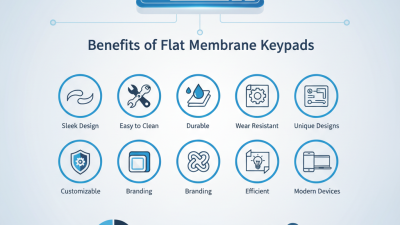
Flat membrane keypads are popular for many projects. They offer a range of features and benefits that make them appealing. One key advantage is their sleek, modern design. This design is unobtrusive, allowing it to blend with various devices. Also, they are easy to clean and maintain. A simple wipe can keep them looking fresh.
These keypads are user-friendly. Their tactile feedback gives users a satisfying experience. However, some may find the feedback too soft for their liking. It can be a point of frustration. Another aspect to consider is durability. Many flat membrane keypads are resistant to dust and moisture. Yet, in some cases, they may not hold up well under heavy use. Frequent pressing can lead to wear and tear.
In terms of versatility, flat membrane keypads can interface with different systems. They are suitable for medical, automotive, and consumer electronics. Some projects may require special customization. This can be both a benefit and a drawback. Customization demands time and resources that may not align with tight deadlines. Balancing these aspects is crucial for project success.
Identifying Your Project Requirements for Keypad Selection
When selecting a flat membrane keypad, understanding your project requirements is crucial. Consider key factors like size, durability, and environmental conditions. Industry studies indicate that over 70% of design flaws stem from poorly defined requirements. Failing to specify environmental resistance can lead to failures in demanding settings, including high humidity or extreme temperatures.
Think about the user interaction with the keypad. How often will it be pressed? Reports suggest that keypads subjected to constant use require higher durability ratings. A standard key press life is around 1 million cycles, but projects involving heavy use should aim for keypads with 5 million cycles or more. A lack of focus here might force a costly redesign later on.
Also, reflect on aesthetic and functional elements. Colors, backlighting, and tactile response play significant roles in user experience. Yet, many overlook these aspects, leading to devices that are functional but unappealing. A well-designed interface can enhance user satisfaction significantly. Project requirements should encompass not just technical specs but also the overall experience.
Comparing Different Types of Flat Membrane Keypads
Flat membrane keypads serve various applications, making their selection crucial for project success. Not all keypads are created equal. There are several types, including tactile, non-tactile, and illuminated. Each type has unique features that cater to different project needs. Tactile keypads can provide feedback when pressed. This enhances user experience, particularly in navigation.
Recent industry reports show that illuminated keypads can increase user engagement by 30%. They are ideal for low-light environments. Non-tactile options offer a sleek, modern look but can lack user feedback. Such choices might lead to user confusion. While it’s essential to consider aesthetics, functionality cannot be sacrificed. Projects with specific environmental requirements may not accommodate every keypad type.
When evaluating keypads, consider material durability. Some choices might wear over time, affecting performance. A typical keypad has a lifespan of around 1 million presses. However, usage patterns can vary widely. Ignoring these factors might lead to premature failure. Consider testing prototypes in real-world scenarios. This could provide valuable insights before making a final decision. Be mindful of trade-offs.
2026 How to Choose the Best Flat Membrane Keypad for Your Project? - Comparing Different Types of Flat Membrane Keypads
| Type |
Material |
Key Life Cycle |
Environment Resistance |
Cost Range ($) |
| Standard |
Polyester |
1,000,000 |
Low |
10 - 20 |
| Backlit |
Polycarbonate |
1,000,000 |
Medium |
20 - 40 |
| Waterproof |
Silicone |
2,000,000 |
High |
30 - 60 |
| Custom Design |
Polyester/Polycarbonate |
1,500,000 |
Medium |
50 - 100 |
| Rugged |
Epoxy |
5,000,000 |
Very High |
70 - 150 |
Evaluating Durability and Performance Factors in Keypads
When selecting a flat membrane keypad, durability and performance are key considerations. A report by the Technical Research Institute indicates that over 60% of keypads fail due to wear and tear. This makes material choice crucial. TPU and PET are popular choices for their resistance to abrasions and chemical agents. They maintain functionality in various environments, but they can be more expensive than PVC options.
Performance factors include tactile feedback and response time. Users tend to prefer keypads that provide a satisfying tactile response. Research shows that a keypad with a response time of less than 100 milliseconds enhances user experience. Keypads designed for outdoor use must withstand temperature extremes. They should also resist moisture. It’s essential to evaluate testing reports for these specific conditions.
Another aspect is the design's impact on usability. A keypad with poorly spaced keys can lead to user frustration. Some designs overlook this, resulting in lower satisfaction rates. A well-designed keypad should balance aesthetics and function. This balance often reflects the manufacturer’s attention to detail. Aesthetic appeal can’t outweigh practical use.