2026 How to Choose the Best Nitrile Gasket for Your Needs?
Choosing the right Nitrile Gasket is crucial for various applications. This material is known for its excellent resistance to oil and temperature. It is widely used in automotive, industrial, and medical sectors.
When selecting a Nitrile Gasket, consider several factors. The thickness, size, and durometer are essential. These aspects directly impact the effectiveness of the gasket. Understanding your specific needs will guide you in making informed choices.
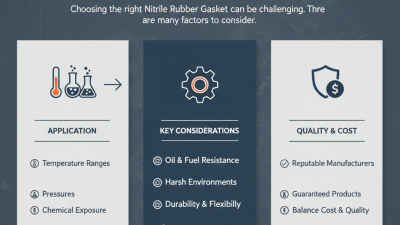
Users often overlook the environment in which the gasket operates. Is it exposed to chemicals? What temperature extremes does it face? These questions are vital for ensuring longevity and performance. A poorly chosen gasket may lead to failure, resulting in costly repairs. Therefore, detailed analysis is necessary before making a final decision.
Understanding Nitrile Gaskets: Composition and Properties
Nitrile gaskets, known for their versatility, are made from a synthetic rubber called nitrile butadiene rubber (NBR). This material offers excellent resistance to oil, fuel, and other chemicals. According to a recent industry report, over 40% of gaskets used in automotive applications are nitrile due to their durability and performance characteristics. Their ability to withstand high temperatures, typically between -30°C to 120°C, makes them suitable for various environments.
The composition of nitrile gaskets is critical to their functionality. The acrylonitrile content varies, impacting the gasket's hardness and resistance. A higher acrylonitrile percentage provides improved oil resistance, while a lower content enhances flexibility. Research indicates that gaskets with acrylonitrile levels above 40% are optimal for automotive uses, while lower levels are preferable for applications involving water or steam. Despite their advantages, nitrile gaskets may not perform well in extreme temperatures beyond their range, highlighting the importance of understanding the specific use case before committing to a product.
Types of Nitrile Gaskets: A Comprehensive Overview
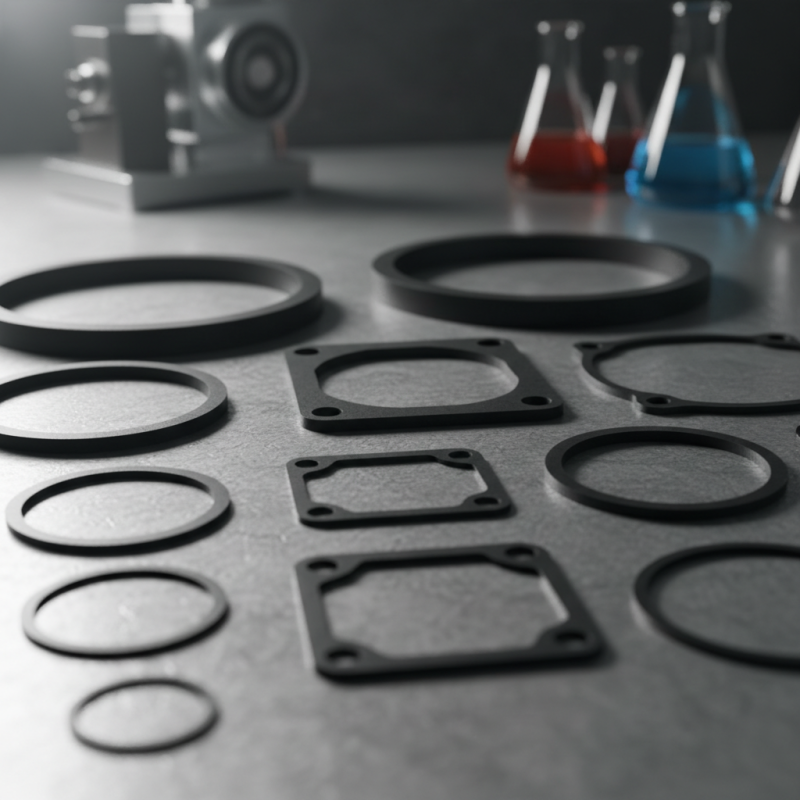
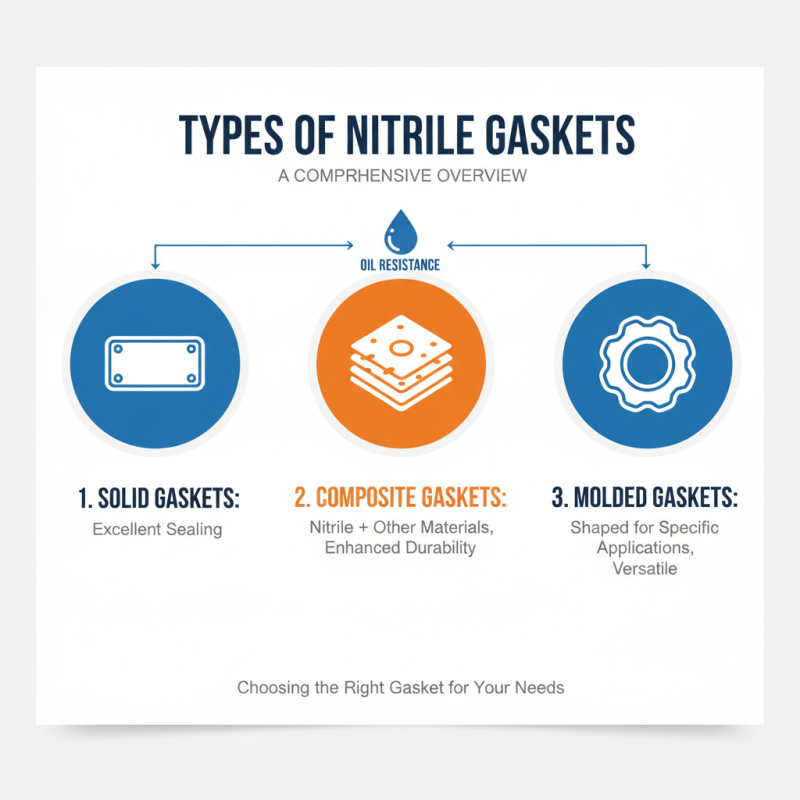
When choosing nitrile gaskets, understanding the various types is crucial. Nitrile gaskets are often used where oil resistance is key. These gaskets can be classified into several categories, including solid gaskets, composite gaskets, and molded gaskets. Solid nitrile gaskets typically offer excellent sealing properties. Composite gaskets combine nitrile with other materials for enhanced durability. Molded gaskets can be shaped to fit specific applications, making them a versatile option.
According to recent industry reports, the global nitrile gasket market is projected to grow at a rate of 4% annually. This growth is driven by the increasing demand in automotive and manufacturing sectors. Choosing the right type of gasket often depends on the specific application requirements. For instance, consider the temperature and pressure limits of your system.
Tip: Evaluate the chemical compatibility of nitrile with fluids it may contact. Conducting thorough tests can yield insights into performance reliability. Remember, not every gasket is equal. Customizations might be necessary for unique applications. This can lead to higher costs but potentially better long-term performance. Always weigh the benefits against the expenses.
Factors to Consider When Choosing a Nitrile Gasket
When selecting the best nitrile gasket, several factors come into play. Understanding these elements can help you make informed decisions. The operating temperature is crucial. Nitrile gaskets work best within specific temperature ranges. Check the operating conditions of your machinery. It’s essential to avoid extremes.
Chemical resistance is another significant factor. Nitrile gaskets resist oil and fuel but may not hold up against other chemicals. Knowing the substances involved in your application can save you from future leaks. Different applications might demand specific grades.
Tips: Always consult with professionals if unsure. They can provide insights based on experience. Another tip: consider the gasket’s thickness. A thicker gasket might perform better in some environments while being excessive in others. Always account for compression sets and how they affect sealing performance over time. This reflection can lead to better choices in the long run.
2026 How to Choose the Best Nitrile Gasket for Your Needs? - Factors to Consider When Choosing a Nitrile Gasket
| Factor |
Description |
Importance Level |
Common Applications |
| Material Thickness |
The thickness of the gasket can affect the sealing performance and application suitability. |
High |
Automotive, Plumbing |
| Temperature Resistance |
Nitrile gaskets have different temperature ratings affecting their performance under heat. |
Critical |
Oil & Gas, Engines |
| Chemical Compatibility |
Ensures the gasket can withstand specific chemicals and environments without degrading. |
High |
Manufacturing, Chemical Processing |
| Compression Set Resistance |
Resistance to deformation under sustained compression ensures longevity. |
Moderate |
Heavy Machinery, Aerospace |
| Standardization |
Compatibility with industry standards ensures ease of replacement and installation. |
Important |
Construction, HVAC |
Applications of Nitrile Gaskets in Various Industries
Nitrile gaskets play a crucial role in various industries. Their applications range from automotive to food processing. In the automotive sector, these gaskets are essential for sealing components such as engines and fuel systems. They withstand high temperatures and resist oil, making them ideal for this environment. The reliability of nitrile gaskets ensures that equipment operates smoothly.
In the food processing industry, cleanliness is paramount. Nitrile gaskets meet strict hygiene standards. They resist contamination and provide effective seals in food pipelines and containers. The durability of these gaskets helps maintain the quality of food products. Many facilities have noted reduced leaks and spills since switching to nitrile.
However, choosing the right nitrile gasket can be challenging. Factors like temperature, pressure, and chemical exposure must be considered. Not all nitrile gaskets are created equal. Some may degrade faster under certain conditions. It’s important to consult with experts and conduct thorough testing. Balancing cost and quality is also a critical aspect. Recognizing the right application for nitrile gaskets should not be overlooked.
Applications of Nitrile Gaskets in Various Industries