Leave Your Message

How to Choose the Right Nitrile Rubber Gasket?

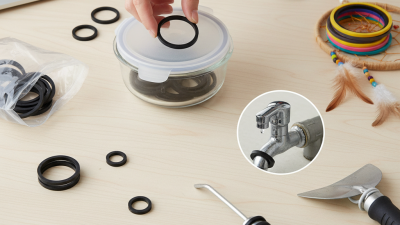
Choosing the right Nitrile Rubber Gasket starts with the operating conditions, not the product label. Nitrile rubber, also called NBR, performs well with mineral oils, fuels, and many hydraulic fluids. However, it is not a universal sealing material. Ozone, sunlight, high temperatures, and certain chemicals can shorten its service life.

Robert Flitney, a respected author in sealing technology, offers a useful principle: “Seal selection begins with the operating environment, not the catalog shelf.” This idea remains practical for engineers, maintenance teams, and purchasing managers. A gasket installed beside a hot engine may face temperatures above 100°C. Another gasket inside a hydraulic valve may experience pressure pulses, shaft movement, and fluid contamination. These details change the decision.

Check the fluid, temperature range, pressure, compression, flange condition, and expected movement. Measure the groove or flange carefully. A gasket that looks correct may still leak because its hardness, thickness, or compression is unsuitable. Material standards, such as ASTM D2000 classifications, can support comparison, but they should not replace application testing.

There is no perfect shortcut.

A reliable choice also considers storage and installation. Keep unused gaskets away from direct sunlight, heat, and ozone-producing equipment. Avoid sharp tools during fitting. Even a high-quality Nitrile Rubber Gasket can fail after one careless installation.

A checklist helps, but it can miss real-world variation. Fluid additives may behave differently from basic compatibility charts. When the application is critical, confirm the selection with the manufacturer, test data, and a qualified sealing specialist.
How to Choose the Right Nitrile Rubber Gasket?

Identify the Media and Operating Conditions

Choosing a nitrile rubber gasket starts with the media, not the flange size.
NBR generally suits mineral oils, diesel, hydraulic fluids, and many fuels. It performs less reliably with ketones, strong acids, aromatic solvents, ozone, and prolonged sunlight. A chemical compatibility chart is useful. It is not enough. Concentration, purity, temperature, and exposure time can change the result.

Operating conditions matter just as much. Record the minimum and maximum temperature, pressure, pressure cycling, and whether the joint is static or moving. Many engineering datasheets place general NBR service near -30°C to +100°C, but compound design can shift this range. ISO 23936-2 evaluates elastomers through volume change, hardness, tensile strength, and decompression resistance. AMPP/NACE MR0175/ISO 15156 also provides material guidance for sour oil and gas environments. These references support selection, but they do not replace application testing.

Tips: List every fluid contact, including cleaning agents. Check swelling and hardness retention after exposure. Consider rapid gas decompression when high-pressure gas is present. A gasket may seal perfectly during installation, then soften after several weeks. I would not approve a material from temperature data alone. Test the actual compound against the actual media, when failure would interrupt production or create a leak hazard.
Match Nitrile Rubber Properties to the Application

How to Choose the Right Nitrile Rubber Gasket?

Match Nitrile Rubber Properties to the Application

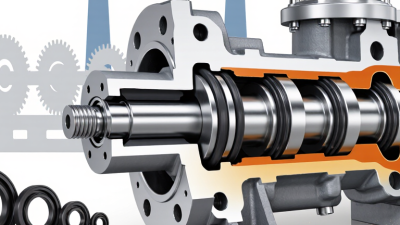
Choosing nitrile rubber begins with the fluid, not the gasket shape. Standard NBR performs well against petroleum oils, fuels, and greases. Its usual temperature range is about -40°C to 108°C, depending on formulation and compression conditions. Higher acrylonitrile content improves oil resistance. However, it can reduce flexibility in cold environments. That trade-off matters around outdoor pumps and refrigerated equipment.

Check the real operating cycle. Pressure spikes, flange movement, vibration, and repeated maintenance can damage an apparently suitable gasket. ASTM D2000 helps classify rubber compounds by heat resistance, tensile strength, and oil exposure. For critical sealing systems, request compound test results, not only a material name. A gasket may be called “NBR” while its actual performance differs considerably. I have seen failures blamed on poor rubber when uneven bolt loading caused the leak.

Tips: Compare the fluid temperature with the hottest surface temperature. Allow for short-term peaks. Measure flange flatness and bolt torque. For compressed-air systems, inspect leakage after installation; the U.S. Department of Energy reports that leaks can waste 20–30% of compressor output. That figure makes small sealing errors financially visible. Consider low-temperature NBR for winter service, but verify fuel compatibility. NBR is not automatically suitable for ozone, sunlight, or aggressive chemicals. A simple bench test using the actual fluid can reveal swelling, hardening, or mass change before production use. It is slower than guessing, but guessing is often expensive.

Select the Correct Gasket Shape, Size, and Thickness

How to Choose the Right Nitrile Rubber Gasket?

Select the Correct Gasket Shape, Size, and Thickness

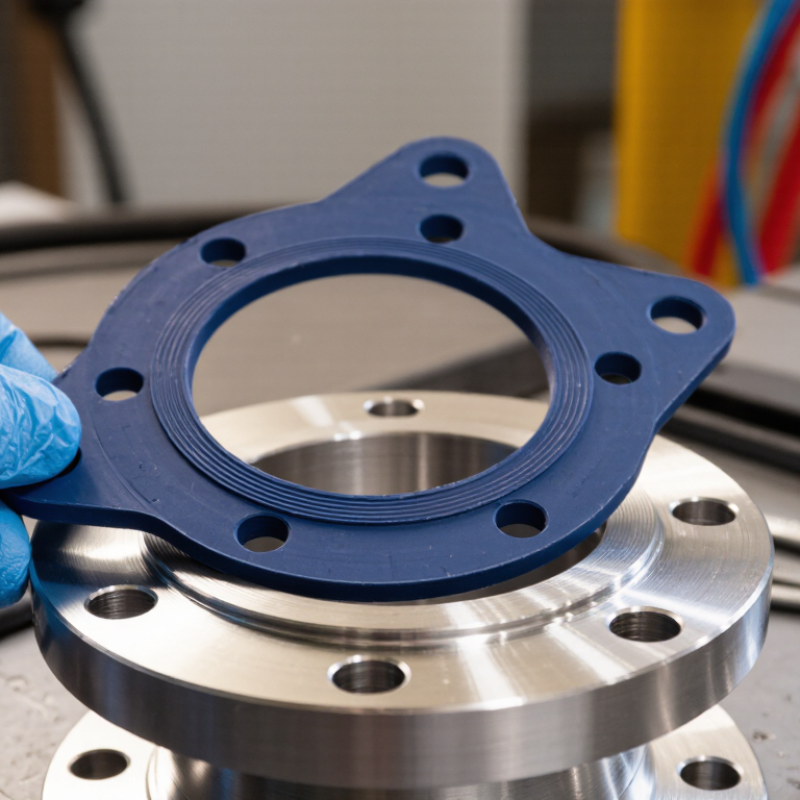
Choosing a nitrile rubber gasket starts with the joint, not the material shelf. Record the flange outline, bolt-hole pattern, inner diameter, and sealing path. A circular gasket suits many pipe flanges, while a rectangular design may fit inspection covers better. The shape must follow the contact surface closely. Small gaps can create leakage channels.

Size matters more than appearance. Measure the mating faces after removing the old gasket. Old rubber may have compressed, swollen, or hardened. Match the inside diameter to the fluid passage without blocking flow. Check the bolt holes separately. A 2024 industrial gasket market analysis reported that maintenance and replacement applications remain major demand drivers, showing why field measurements deserve attention.

Thickness controls compression and tolerance. A thicker gasket can bridge uneven surfaces, but excessive thickness may reduce bolt load and cause extrusion. Many sealing engineers begin with the manufacturer’s specified compression range, then verify flange flatness and bolt torque. ASTM D2000 provides a recognized framework for classifying rubber compounds, including resistance and physical properties, but it does not replace application testing.

Consider fluid temperature, pressure, and oil exposure. Nitrile performance changes with acrylonitrile content. More resistance to oils can mean less flexibility at low temperatures. That trade-off is easy to overlook. I have seen a visually perfect gasket fail because the thickness was correct, but the shape left unsupported edges. A practical trial may still be necessary.

How to Choose the Right Nitrile Rubber Gasket? - Select the Correct Gasket Shape, Size, and Thickness

For circular NBR gaskets and O-rings, the nominal cross-section is a key thickness dimension. The values shown are standard AS568 cross-section families in millimetres. Select the gasket shape to match the sealing groove or flange design, then confirm the inside diameter, outside diameter, groove dimensions, temperature, fluid compatibility, and required compression before final selection.

Check Temperature, Pressure, and Chemical Compatibility

How to Choose the Right Nitrile Rubber Gasket?

Temperature, pressure, and chemical compatibility determine whether a nitrile rubber gasket survives in service. Standard nitrile compounds commonly operate from about -30°C to 100°C, according to technical guidance summarized in the Parker O-Ring Handbook. Actual limits vary with hardness, compound formulation, and compression. Do not treat the upper limit as a target. Continuous heat near 100°C can accelerate hardening, leakage, and loss of elasticity.

Pressure requires more than a single rating.

ASTM D2000 classifies elastomer performance, but it does not provide one universal pressure limit for every gasket design. Check the sealing gap, flange condition, bolt load, and gasket hardness. A soft gasket may seal irregular surfaces better. It may also extrude sooner under pressure. A backup ring can reduce this risk, but only when the groove is designed correctly. Small details matter.

Chemical exposure is often the overlooked failure point.

Nitrile generally performs well with mineral oils, hydraulic fluids, and many fuels. It performs poorly with strong oxidizers, ozone, and some polar solvents. Review compatibility data from ISO 23936-2 for oil and gas applications, then verify the exact fluid, concentration, and operating temperature. Laboratory charts are useful, not infallible. Real systems include pressure spikes, cleaning cycles, and contaminated fluids. Test a sample under actual conditions when failure would be costly.

Compare Quality, Standards, and Total Cost Before Buying

How to Choose the Right Nitrile Rubber Gasket?

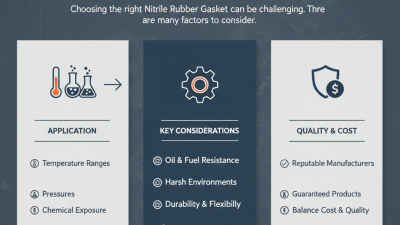
Choosing the right nitrile rubber gasket requires more than checking size and price. In practical maintenance work, I compare compound quality, operating temperature, fluid exposure, and compression recovery. A gasket may look flawless on a clean shelf, yet harden beside hot oil or swell in fuel. Ask for material data, batch traceability, and test results. These details reveal whether the part was engineered consistently, not simply cut quickly.

Tips: Compare standards with the actual service conditions. A recognized specification can support dimensional accuracy, hardness control, and sealing performance, but certification alone is not magic. Check whether the stated standard matches your industry and application. Review tolerances, temperature limits, pressure guidance, and chemical compatibility. If a supplier avoids clear documentation, treat that as a cost risk. I have learned that the cheapest gasket can become expensive after one shutdown.

Calculate total cost, including installation time, retightening, leakage checks, replacement stock, and disposal. A slightly higher-quality gasket may reduce labor and unplanned downtime. Still, “higher quality” should be measurable. Request samples or inspection records when the application is critical. Measure the groove and flange carefully; my own rushed measurements have caused avoidable rework. Leave room for uncertainty, because real service conditions rarely match a perfect data sheet. Compare suppliers on evidence, consistency, and support, not confident promises.

How to Choose the Right Nitrile Rubber Gasket? - Compare Quality, Standards, and Total Cost Before Buying

Evaluation Dimension Low-Acrylonitrile NBR
(Approximately 18–25% ACN)
Medium-Acrylonitrile NBR
(Approximately 31–36% ACN)
High-Acrylonitrile NBR
(Approximately 38–50% ACN)
Typical Temperature Capability Approximately -40°C to +100°C.
Better flexibility at low temperatures, but usually lower resistance to aromatic fuels and oils.
Approximately -30°C to +105°C.
A balanced range for general hydraulic, pneumatic, oil, and fuel-service applications.
Approximately -20°C to +120°C, depending on the compound and reinforcement.
Better resistance to oils and fuels, but reduced low-temperature flexibility.
Oil and Fuel Resistance Good resistance to mineral oils and hydraulic fluids.
Less suitable for high-aromatic fuels and aggressive hydrocarbon exposure.
Good general resistance to mineral oils, fuels, greases, and many hydraulic fluids. Very good resistance to petroleum-based oils, fuels, and hydrocarbon fluids.
Often selected when fluid exposure is the primary concern.
Low-Temperature Flexibility Best of the three options.
Suitable for outdoor equipment and applications with frequent cold starts.
Moderate.
Appropriate where temperature changes are controlled and occasional cold exposure is expected.
Lowest.
Confirm the actual compound’s low-temperature brittleness or flexibility data before use.
Hardness Selection Common gasket hardness: 60–70 Shore A.
Softer grades can seal irregular surfaces but may extrude more easily.
Common gasket hardness: 70 Shore A.
A practical balance between conformability, strength, and extrusion resistance.
Common gasket hardness: 70–90 Shore A.
Harder grades can improve extrusion resistance but require better flange alignment and surface condition.
Compression Set Consideration Select a low-compression-set formulation when the seal must remain compressed for long periods or experience repeated thermal cycling. Usually the most balanced choice for static sealing when the compound is properly cured and the installation compression is controlled. Can provide good long-term sealing in oil service, but performance depends strongly on formulation, cure system, temperature, and compression level.
Recommended Fluid Compatibility Mineral oils, greases, and selected hydraulic fluids.
Verify compatibility with biodiesel, aromatic fuels, brake fluids, and ester-based fluids.
Mineral oils, diesel fuel, many petroleum hydraulic fluids, air, and water-based fluids within the compound’s temperature limits. Petroleum fuels, mineral oils, greases, and hydrocarbon-based fluids.
Do not assume compatibility with phosphate-ester fluids, ketones, strong acids, or ozone-rich environments.
Common Application Profile Cold-environment static seals, outdoor machinery, low-temperature hydraulic equipment, and flexible sealing points. General-purpose pipe flanges, hydraulic systems, pneumatic equipment, pumps, valves, and industrial machinery. Fuel systems, oil-processing equipment, high-oil-exposure machinery, automotive fluid sealing, and hydrocarbon service.
Quality Evidence to Request
  • Material type and acrylonitrile content range.
  • Hardness measured according to ASTM D2240 or an equivalent ISO method.
  • Tensile strength and elongation measured according to ASTM D412 or an equivalent ISO method.
  • Compression set data according to ASTM D395 or an equivalent ISO method.
  • Fluid-immersion results according to ASTM D471 or ISO 1817.
  • Batch traceability, cure date, dimensional inspection records, and a certificate of conformity.
Applicable Standards and Specifications
  • ASTM D2000: classification and specification framework for automotive rubber products.
  • ASTM D2240: rubber hardness measurement.
  • ASTM D395: compression-set testing.
  • ASTM D412: tensile properties of vulcanized rubber and thermoplastic elastomers.
  • ASTM D471 / ISO 1817: effect of liquids on rubber materials.
  • For flange assemblies, also verify the applicable piping, pressure, dimensional, and installation requirements for the specific equipment.
Dimensional and Installation Checks
  • Confirm inside diameter, outside diameter, thickness, bolt-hole pattern, and sealing width.
  • Check flange flatness, surface finish, alignment, and cleanliness.
  • Use the specified tightening sequence and torque; excessive compression can damage the gasket or cause extrusion.
  • Prevent sharp edges, twisting, stretching, and contamination during installation.
Indicative Material Cost Index 0.95–1.10
Lower ACN content may be economical, but the lowest purchase price does not guarantee the lowest service cost.
1.00–1.20
Often the best value for general-purpose applications because performance and availability are balanced.
1.10–1.35
Usually costs more because of higher performance requirements and more specialized formulations.
Total Cost of Ownership Factors Total cost = purchase price + installation labor + downtime risk + replacement frequency + fluid-loss risk + disposal cost.
A gasket with a slightly higher unit price can be more economical if it reduces leakage, maintenance intervals, unplanned shutdowns, and rework.
Best Selection Rule Choose when low-temperature flexibility is more important than maximum fuel and hydrocarbon resistance. Choose for the lowest overall risk in general industrial service when temperatures and fluids are moderate. Choose when oil, fuel, and hydrocarbon resistance are the dominant requirements and the low-temperature limit is acceptable.

Important: The ranges above are typical engineering values, not universal limits. Actual performance depends on the exact NBR formulation, cure system, filler package, gasket geometry, pressure, flange design, fluid composition, and exposure time. Always verify the supplier’s compound data and conduct application-specific compatibility checks before purchase.