Understanding Flat Membrane Keypad Features Applications and Benefits
The Flat Membrane Keypad has emerged as a popular choice in various electronic interfaces due to its unique features and versatility. These keypads are designed with a flat surface that allows for a sleek and modern aesthetic, making them suitable for a wide range of applications from consumer electronics to industrial equipment. Understanding the characteristics of flat membrane keypads is essential for designing user-friendly interfaces that meet the demands of contemporary technology.
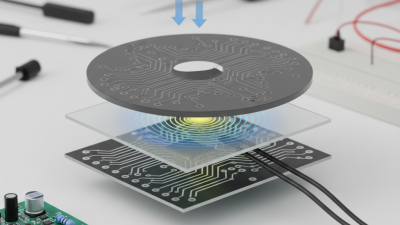
Incorporating a flat membrane keypad into a device can significantly enhance its functionality and user experience. The construction of these keypads, typically consisting of multiple layers including a conductive element and a protective overlay, provides a durable and reliable input solution. This design not only protects the underlying circuitry but also ensures that the keypads remain operational in various environmental conditions. As technology continues to evolve, the applications of flat membrane keypads expand, demonstrating their importance in both everyday products and specialized machinery.
The benefits of flat membrane keypads extend beyond just their physical design; they offer advantages such as ease of cleaning, customization options, and the ability to integrate seamlessly with other electronic components. Due to their low profile and lightweight nature, flat membrane keypads facilitate innovative product development while providing users with an intuitive interaction method. Overall, understanding the features, applications, and benefits of flat membrane keypads is crucial for anyone involved in product design and development in today’s digital landscape.

Overview of Flat Membrane Keypad Technology
Flat membrane keypads have transformed the way users interact with devices across various industries, including consumer electronics, automotive, and industrial applications. This technology utilizes thin, flexible layers that consist of a series of printed circuits, adhesives, and graphic overlays, allowing for a lightweight and compact design. According to a report by MarketsandMarkets, the global membrane switch market is projected to reach USD 2.96 billion by 2026, reflecting the growing demand for user-friendly interfaces and heightened functionality in electronic devices.
The advantages of flat membrane keypads are notable. Their design is not only sleeker but also highly durable, often resistant to water, dust, and other environmental factors, making them ideal for use in rugged settings. The tactile response features also enhance user experience, providing feedback that is essential for effective interaction. Furthermore, advancements in printing technology have enabled more vibrant graphics and customizable options, which allow manufacturers to tailor keypads to meet specific user needs. As industries continue to prioritize intuitive designs, flat membrane keypad technology stands as a key player in driving innovation and efficiency.
Key Features of Flat Membrane Keypads
Flat membrane keypads are widely recognized for their versatility and robust functionality across various applications. A key feature of flat membrane keypads is their customizable visual and tactile options. With the ability to print graphics directly on the surface, these keypads can offer a clean and modern appearance tailored to specific user needs. According to a report by Research and Markets, the global market for membrane switches, which includes flat membrane keypads, is projected to reach $6.9 billion by 2026, highlighting the growing demand for these customizable interface solutions.
Another important feature is their durability and resistance to environmental factors. Flat membrane keypads are designed to withstand moisture, dust, and chemicals, making them ideal for use in industrial, medical, and consumer electronic applications. Data from the Market Research Future indicates that membrane switch technologies are gaining traction in sectors like healthcare and automotive, indicating a penetration rate of over 30% in such industries due to their enhanced reliability and ease of integration into various devices.
Moreover, the tactile feedback provided by these keypads enhances user interaction, making it easier to determine when a button has been pressed, which is essential in high-usage environments. These functionalities combined foster a user-friendly experience that supports efficiency and productivity. Ultimately, the features of flat membrane keypads position them as a crucial component in the design and development of modern electronic products.
Common Applications of Flat Membrane Keypads
Flat membrane keypads have gained prominence across various industries due to their unique features and applications. A critical aspect of their appeal lies in their versatility, making them suitable for a plethora of applications, including medical devices, consumer electronics, industrial controls, and home appliances. According to a report by MarketsandMarkets, the global membrane switch market is projected to reach $4.61 billion by 2025, demonstrating a compound annual growth rate (CAGR) of 5.3%. This growth is driven by the increasing adoption of flat membrane keypads in user interfaces due to their cost-effectiveness, durability, and customizable design.
In medical applications, flat membrane keypads play an essential role in devices such as diagnostic equipment and patient monitoring systems. Their ability to withstand exposure to harsh environments, such as cleaning agents and moisture, provides a significant advantage in maintaining hygiene standards. The medical sector, which accounts for a substantial share of the membrane switch market, enhances the reliability of user interactions while ensuring ease of use, especially for emergency equipment. Furthermore, in industrial settings, these keypads are often used in control panels and machinery interfaces where their resistance to dust and dirt contributes to improved functionality and longevity.
The consumer electronics sector also significantly benefits from flat membrane keypads. These keypads enable sleek and modern design aesthetics while providing tactile feedback, which is crucial for enhancing user experience. As consumers increasingly seek intuitive interfaces in their devices, the demand for flat membrane keypads is expected to rise. Industry insights indicate that innovative design and user-friendly interfaces are key differentiators for manufacturers in competitive electronics markets, further reinforcing the significance of flat membrane keypads in today's technological landscape.
Common Applications of Flat Membrane Keypads
Benefits of Using Flat Membrane Keypads
Flat membrane keypads have emerged as a favored choice in various industries due to their unique features and advantages. One of the significant benefits of using flat membrane keypads is their durability and resistance to environmental factors. According to a recent market analysis report by Research and Markets, the global membrane switches market is projected to reach $1.24 billion by 2025, primarily driven by the demand for reliable and long-lasting user interfaces. These keypads are often designed to withstand moisture, dust, and harsh chemicals, making them ideal for applications in medical devices, industrial controls, and consumer electronics.
Another advantage is the versatility in design and customization options. With advancements in printing techniques and materials, flat membrane keypads can be manufactured to suit specific aesthetic and functional needs. For instance, data from Smithers Pira indicates that the demand for customized user interfaces has significantly increased, with over 40% of manufacturers prioritizing user-centric designs. This flexibility allows businesses to create unique solutions that enhance user experience while maintaining cost-effectiveness. Furthermore, these keypads are lightweight and compact, contributing to device miniaturization trends across various sectors, optimizing space without compromising functionality.
Future Trends in Flat Membrane Keypad Development
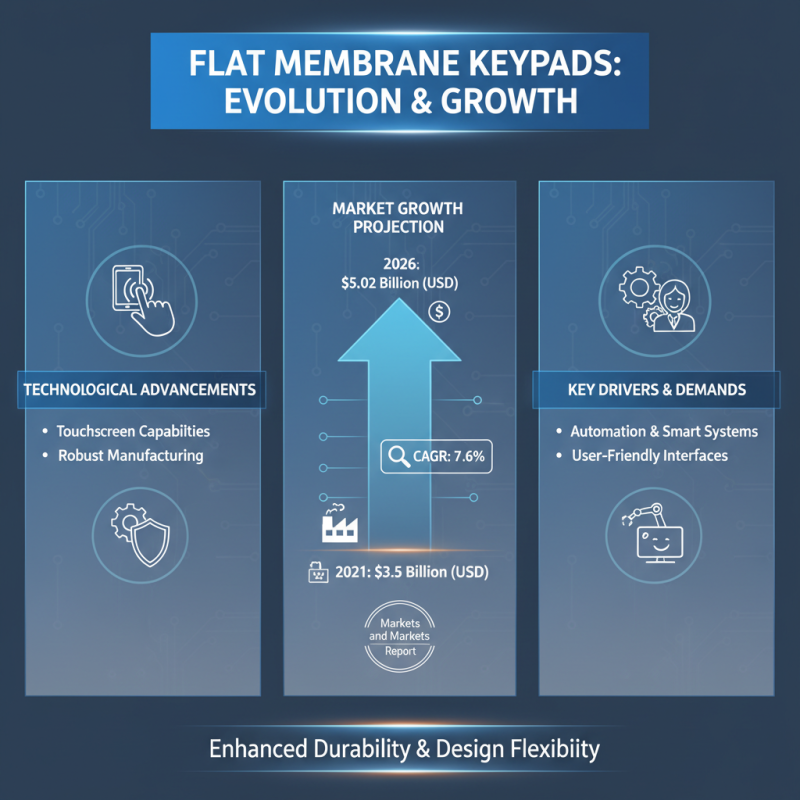
The evolution of flat membrane keypads is seeing significant trends influenced by advancements in technology and user demands. As industries increasingly adopt automation and smart systems, the demand for user-friendly interfaces has risen sharply. According to a recent report by Markets and Markets, the global membrane switches market is projected to grow from USD 3.5 billion in 2021 to USD 5.02 billion by 2026, reflecting a compound annual growth rate (CAGR) of 7.6%. This growth is largely driven by innovations in touchscreen capabilities and more robust manufacturing techniques, which allow for enhanced durability and design flexibility.
Future developments in flat membrane keypads are likely to focus on integration with IoT devices and smart technology, offering features such as multi-touch capabilities and enhanced tactile feedback. As data from Grand View Research indicates, the demand for smart home devices is anticipated to reach USD 174 billion by 2025. This shift highlights the necessity for keypads that not only meet aesthetic and functional needs but also support connectivity and seamless user experiences. The use of eco-friendly materials and advanced printing techniques will further drive the evolution of flat membrane keypads, making them not just a component of products but a key element in reducing environmental impact and enhancing user engagement across various applications.