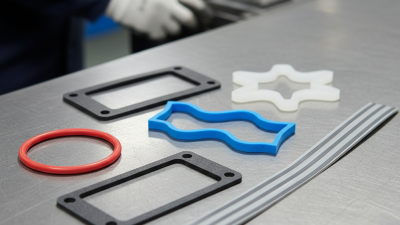
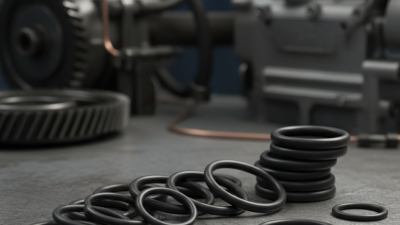
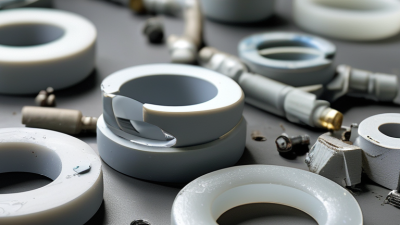
A Flat Rubber Ring is a simple sealing component with a surprisingly important job. Its smooth, circular profile sits between two surfaces and helps prevent fluid, air, dust, or pressure from escaping. Unlike an O-ring, it usually seals through surface contact and controlled compression. That difference affects its design and installation.
In practical maintenance work, flat rubber rings appear under bolts, inside pipe connections, around covers, and between flanges. A suitable ring can reduce leaks in pumps, valves, tanks, and household plumbing. Material choice matters. Nitrile rubber often suits oils, while EPDM performs well with water and outdoor exposure. Silicone handles broad temperature ranges, but it may not resist every chemical.
Fit matters greatly.
Technicians should check the inner diameter, outer diameter, thickness, hardness, and operating temperature before installation. The mating surfaces should be clean, flat, and free from sharp edges. Excessive tightening can crush the ring and create a new leak path. Insufficient compression can leave gaps. A ring may look perfect and still fail.
That is an easy mistake.
Reliable selection also requires attention to pressure, movement, vibration, and chemical compatibility. Manufacturer data and recognized testing standards provide stronger guidance than appearance alone. In some applications, a flat rubber ring is only a temporary solution, especially where heat, aggressive fluids, or repeated movement are present. Inspection remains necessary because rubber can harden, swell, crack, or lose elasticity over time. This article explains how these rings work, where they are used, and why small dimensional details often determine sealing performance.
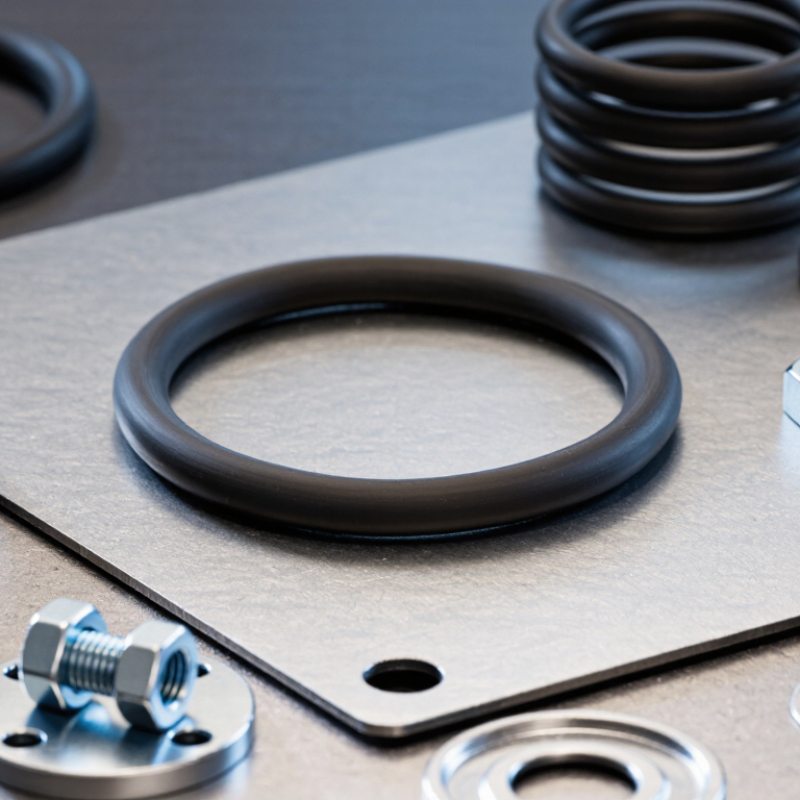
A flat rubber ring is an annular sealing component with a circular opening and two level faces. Its basic structure is simple: an inner diameter, an outer diameter, and a controlled thickness. The ring is usually cut, molded, or punched from elastomer sheet. Common materials include nitrile rubber, EPDM, silicone, and fluorocarbon rubber. Each material changes resistance to oil, heat, water, ozone, and chemicals.
The sealing action is mainly axial compression. Bolted flanges press the ring between two flat surfaces, closing small gaps and limiting leakage. It is not the same as an O-ring. A flat ring has broad sealing faces, while an O-ring relies on a rounded cross-section.
Small details matter. Uneven thickness can create a leak path. Excessive compression may cause permanent deformation. During maintenance inspections, technicians often find damage around bolt holes or rough flange edges.
The U.S. Department of Energy’s Improving Compressed Air System Performance guide reports that leaks can waste 20% to 30% of compressor output in poorly maintained systems. A flat rubber ring cannot solve every leakage problem, but correct sizing can reduce avoidable losses. Engineers normally check the groove or flange dimensions, compression percentage, operating temperature, and fluid compatibility. ISO 3601 provides dimensional guidance for O-rings, but flat rings require separate design verification. That distinction is easy to miss. A thicker ring is not automatically better. Surface condition and controlled compression often matter more.
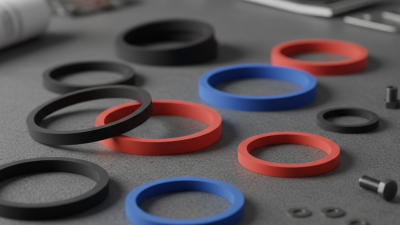
A flat rubber ring is a thin, circular sealing component with a rectangular or slightly rounded profile. It sits between two surfaces and helps block water, air, dust, or process fluids. Its performance depends heavily on material choice, not just ring size. In practical assembly work, a ring may look suitable but fail after repeated compression or exposure to heat.
Common materials include EPDM, nitrile rubber, silicone, and fluorocarbon rubber. EPDM performs well against weather, water, steam, and ozone. Nitrile rubber is often selected for resistance to mineral oils and fuels. Silicone remains flexible across broad temperature ranges, although it may tear more easily under sharp movement. Fluorocarbon rubber handles demanding heat and chemical conditions, but it usually costs more. No material is universally best.
Key properties include hardness, tensile strength, elongation, compression set, temperature resistance, and chemical compatibility. A softer ring can seal uneven surfaces effectively, while a harder ring may resist extrusion under pressure. Low compression set is important because the ring should recover after long compression. Engineers should also check surface finish, groove depth, pressure, and installation stretch. A small dimensional error matters. Even experienced technicians sometimes focus on temperature and overlook fluid compatibility, which can cause swelling, cracking, or leakage. Testing under real operating conditions remains more reliable than relying on a catalog value alone.
A flat rubber ring is a simple sealing component with a surprisingly demanding job. It sits between two mating surfaces and blocks liquids, gases, dust, or pressure from escaping. Unlike a round O-ring, its sealing face is broad and relatively thin. This shape works well where flanges, covers, or inspection plates use flat contact surfaces.
In sealing applications, compression creates the working seal. When bolts tighten a joint, the rubber ring fills small scratches and surface gaps. The material must compress enough to conform, but not so much that it spreads or loses strength. I have seen leaks begin when a ring was fitted on a dirty flange. A tiny metal chip can create a continuous leak path. Clean surfaces matter.
Material selection depends on temperature, fluid exposure, pressure, and movement. A ring exposed to oil may need different rubber than one used with water or outdoor air. Thickness, inner diameter, and bolt spacing also affect pressure distribution. Uneven tightening can crush one section while leaving another loose. That failure is easy to miss.
Flat rings are not foolproof. Inspect for cracks, swelling, hardening, and permanent compression marks. Reusing an old ring may seem economical, but its elasticity can already be reduced. In uncertain conditions, controlled pressure testing provides stronger evidence than appearance alone.
| Data Dimension | Typical Information | How It Affects Sealing Performance |
|---|---|---|
| Basic definition | A flat rubber ring is a circular, washer-shaped sealing element with a flat cross-section. | It seals the joint by being compressed between two mating surfaces. |
| Primary sealing principle | Elastic compression and surface conformity. | The rubber fills small surface irregularities and helps prevent fluid or gas leakage. |
| Common materials | EPDM, nitrile rubber, silicone, fluorocarbon rubber, and neoprene. | Material selection determines resistance to water, oils, fuels, chemicals, ozone, temperature, and weathering. |
| Typical cross-section | Usually rectangular or slightly rounded, rather than circular like an O-ring. | The broad contact area can distribute compression across a flange, cover, fitting, or access panel. |
| Common applications | Pipe flanges, tank covers, inspection ports, hydraulic fittings, plumbing connections, and equipment housings. | The ring creates a removable seal where two relatively flat components are bolted or clamped together. |
| Pressure capability | Depends on rubber grade, hardness, thickness, flange design, surface finish, and compression. | A flat rubber ring is generally suited to static sealing; high pressure may require reinforcement or a purpose-designed gasket. |
| Temperature considerations | Usable temperature ranges vary significantly by compound; many general-purpose elastomers operate approximately from -40°C to 120°C. | Exceeding the material limit can cause hardening, softening, shrinkage, loss of elasticity, or permanent deformation. |
| Fluid compatibility | EPDM is commonly selected for water and steam service; nitrile rubber is commonly used with mineral oils and fuels; silicone performs well across a broad temperature range. | The wrong compound may swell, crack, soften, or lose mechanical strength when exposed to the working fluid. |
| Compression requirement | The ring must be compressed enough to close surface gaps without being excessively crushed. | Insufficient compression can cause leakage, while excessive compression can accelerate permanent deformation and material damage. |
| Surface requirements | Mating surfaces should be clean, aligned, and free from deep scratches, burrs, corrosion, and contamination. | Surface defects can create leakage paths that rubber cannot reliably bridge. |
| Installation method | Position the ring concentrically, apply even fastener loading, and use a compatible lubricant only when permitted by the material and service conditions. | Uniform installation reduces twisting, pinching, extrusion, and uneven compression. |
| Advantages | Simple geometry, low cost, easy replacement, good flexibility, and suitability for many static joints. | These characteristics make flat rubber rings practical for routine maintenance and general-purpose sealing. |
| Common failure causes | Incorrect material, insufficient or excessive compression, misalignment, surface damage, aging, chemical attack, and thermal exposure. | Failure analysis should consider the operating environment as well as the ring dimensions and installation condition. |
A flat rubber ring is a simple sealing component with a serious job. It sits between two surfaces and closes small gaps under compression. In factories, it appears in pump covers, pipe flanges, hydraulic manifolds, air tools, and electrical enclosures. At home, it may seal a faucet connection, washing-machine hose, shower fitting, or food-container lid. Its shape looks basic. Its performance is not.
The U.S. Department of Energy reports that compressed-air systems can lose 20–30% of their output through leaks. A worn or incorrectly fitted seal can contribute to that waste. Material selection matters. Nitrile rubber suits many oils, while EPDM handles water and weather more effectively. Silicone tolerates wider temperature changes, but it may not resist every chemical. The ring must also match the groove, pressure, temperature, and surface finish. A ring that feels tight may still leak.
Tips: Check the old ring for flattening, cracks, swelling, or shiny wear marks. Clean both contact surfaces before installation. Avoid stretching the ring during fitting. A small amount of compatible lubricant can help, but the wrong lubricant may damage rubber. The easy mistake is treating one ring as a universal spare. It is not. Even experienced technicians sometimes replace a seal without checking chemical compatibility, and that shortcut deserves another look.
A flat rubber ring is a flexible sealing component used between two contacting surfaces. It helps prevent leaks from pipes, covers, flanges, and fluid containers. Selection should begin with accurate measurements: inner diameter, outer diameter, thickness, and groove depth. The rubber must also suit the working fluid and temperature. Nitrile rubber often handles oils well, while EPDM is commonly chosen for water and weather exposure. Material choice still requires verification from technical data.
Installation affects performance as much as selection. Clean the sealing surfaces and remove old residue, dust, and sharp edges. Check the groove for damage. Place the ring evenly, without twisting or stretching it. A compatible lubricant may help during assembly, but an unsuitable lubricant can cause swelling. Tighten fasteners gradually and evenly. Over-compression can flatten the ring permanently and create another leak path. A perfect fit on paper can still fail after careless installation.
Tips: Inspect rings during scheduled maintenance. Look for cracks, hardening, swelling, cuts, or permanent flattening. Small changes matter. Record the installation date and operating conditions. Replace the ring when it loses elasticity, after disassembly in critical sealing points, or whenever leakage appears. Do not reuse a visibly damaged ring. I have seen minor groove scratches cause repeated failures, so replacing the ring alone may not solve the problem. Check the mating surfaces before installing a replacement.