What is Flat Rubber Sealing Rings and How to Choose Them?
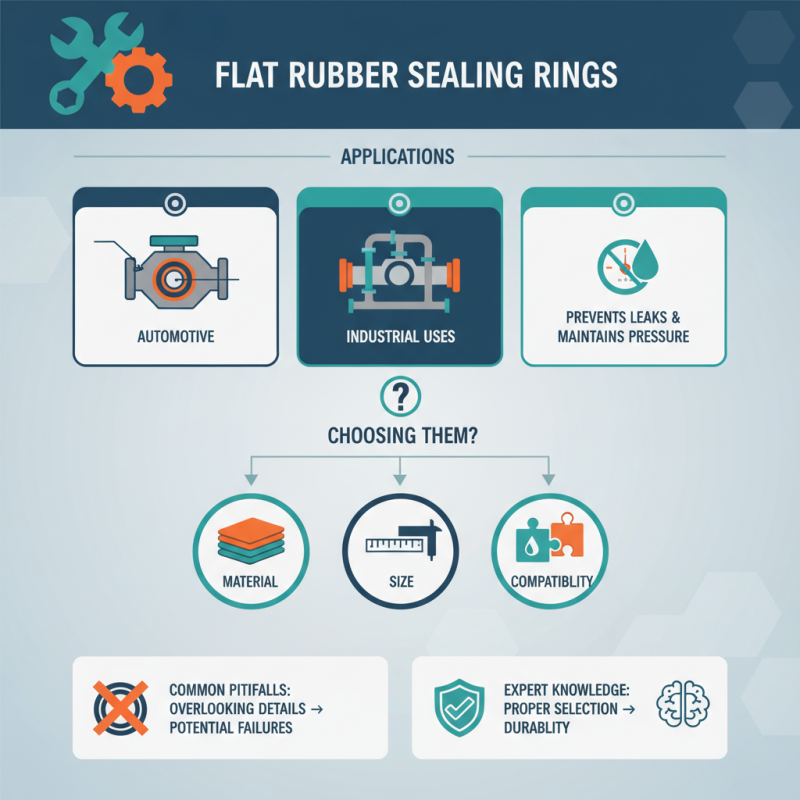
Flat Rubber Sealing Rings play a crucial role in various applications, from automotive to industrial uses. These rings ensure a tight seal, preventing leaks and maintaining pressure. Choosing the right Flat Rubber Sealing Rings can significantly impact the effectiveness and longevity of the systems in which they are installed.
However, selecting the appropriate sealing rings can be challenging. Factors such as material, size, and compatibility come into play. A common pitfall is overlooking these details, leading to potential failures. It’s essential to consider the specific requirements of your application. Knowledgeable professionals can provide insights into the best practices for choosing these sealing rings.
Understanding Flat Rubber Sealing Rings requires more than just basic knowledge. A thorough grasp of their properties and applications underscores the importance of proper selection. With careful consideration, users can avoid costly mistakes and ensure durability in their operations.
What Are Flat Rubber Sealing Rings?
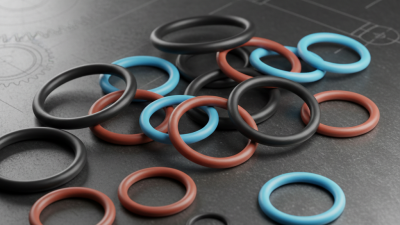
Flat rubber sealing rings are vital components in various industries. They serve as barriers to prevent leaks in systems involving fluids or gases. These rings can be found in automotive, aerospace, and even household applications. According to a report from the International Sealing Distribution Association, the use of sealing rings has seen a significant rise, reflecting a growing demand for reliable sealing solutions.
The materials used to manufacture flat rubber sealing rings vary widely. Common choices include Nitrile, EPDM, and Silicone. Each material offers unique properties like heat resistance, chemical compatibility, and flexibility. For instance, Nitrile is well-suited for oil applications, while EPDM excels in extreme temperatures. Data from industry studies show that nearly 40% of sealing failures occur due to improper material selection. This highlights the importance of understanding the specific requirements of your application.
Choosing the correct flat rubber sealing ring requires careful consideration. Factors such as size, thickness, and operating conditions play a crucial role in performance. However, many users often overlook these details. An analysis revealed that approximately 30% of sealing ring failures stem from incorrect fitting. This underscores the need for precise measurements and alignment during installation. Each choice impacts the overall efficiency and durability of a system.
Types of Flat Rubber Sealing Rings Available in the Market
Flat rubber sealing rings are essential components in various applications. They provide effective sealing solutions to prevent leaks and ensure durability. In the market, there are several types of flat rubber sealing rings, each catering to different needs.
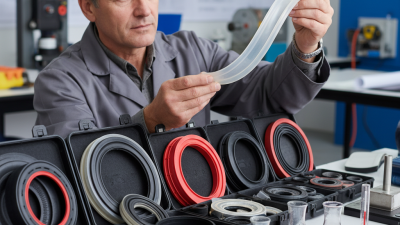
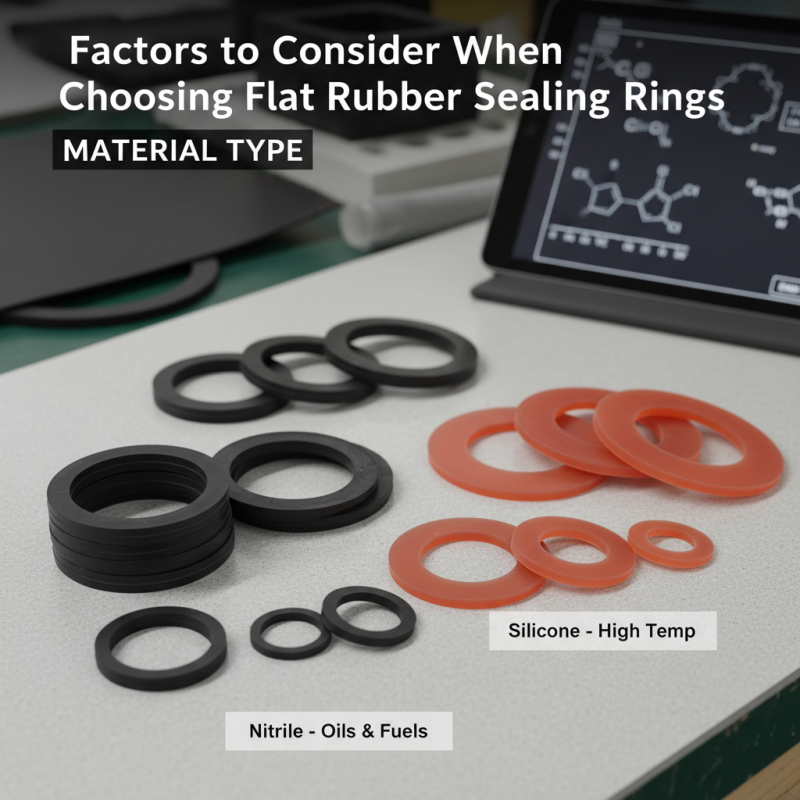
One popular type is the Nitrile rubber sealing ring. This material is resistant to oils and fuels, making it ideal for automotive applications. Another option is silicone rubber sealing rings. They perform well at high temperatures, suitable for applications in ovens or engines. EPDM rubber rings are another choice, known for their resistance to aging and weather effects.
It’s vital to choose the right type based on your specific requirements. Consider factors such as temperature, pressure, and the substances they will contact. Sometimes, users overlook small details that can lead to performance issues. For example, a mismatch in size can cause leaks or failures. Therefore, understanding each material's properties can enhance the longevity and efficiency of the sealing rings you select.
Flat Rubber Sealing Rings: Types and Market Distribution
Key Properties and Specifications of Flat Rubber Sealing Rings
Flat rubber sealing rings are essential components in various applications, providing a reliable barrier against leaks. When selecting these rings, understanding their key properties is crucial. They typically feature resistance to temperature extremes, chemicals, and wear. This ensures durability in harsh environments.
Material selection plays a significant role in performance. Common materials include silicone and nitrile rubber. These choices impact heat resistance and flexibility. It's vital to consider the specific application when deciding. Improper material can lead to premature failure.
Dimensions are another critical factor. The inner and outer diameters must match the assembly. A tight fit is necessary to ensure effectiveness. However, overly tight installations may lead to damage. Evaluating sealing ring thickness is also important. Too thick can cause compression issues, while too thin may not seal properly.
What is Flat Rubber Sealing Rings and How to Choose Them? - Key Properties and Specifications of Flat Rubber Sealing Rings
| Property |
Specification |
Material Types |
Applications |
| Temperature Resistance |
-30°C to +120°C |
Nitrile Rubber (NBR), EPDM, Silicone |
Automotive, Industrial Sealing |
| Compression Set |
< 35% (at 70°C for 70 hours) |
Fluoroelastomer (FKM), Neoprene |
Electrical Appliances, HVAC |
| Chemical Resistance |
Good to Excellent |
Natural Rubber, SBR |
Pipelines, Chemical Processing |
| Hardness |
Shore A 60 to 90 |
Butyl Rubber, Polyurethane |
Construction, Machinery |
| Thickness Range |
1 mm to 10 mm |
EPDM, Viton |
Food Processing, Healthcare |
Factors to Consider When Choosing Flat Rubber Sealing Rings
Choosing flat rubber sealing rings involves several key factors. The first consideration is the material. Various rubber types offer different properties, like resistance to temperature and chemicals. For instance, nitrile rubber withstands oils and fuels. Meanwhile, silicone provides excellent temperature tolerance. It's vital to match the rubber type to your specific application needs.
Another important factor is the size and thickness of the sealing ring. Precision is essential. An ill-fitting ring can lead to leaks and decreased efficiency. Measure the diameter and thickness carefully. If you’re unsure, consult with a professional. Additionally, look at the intended working conditions. Pressure and climate can affect the ring's performance.
Finally, consider the manufacturing process. Some sealing rings are produced with higher tolerances than others. This impacts their durability and reliability. Remember, quality matters. While cheaper options may seem appealing, they can lead to frequent replacements. It’s a balancing act. Weigh the cost against long-term performance. Reflect on past experiences to guide your decisions, ensuring that you choose wisely.
Common Applications of Flat Rubber Sealing Rings in Various Industries
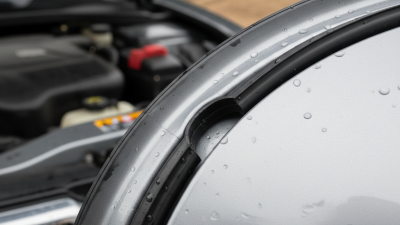
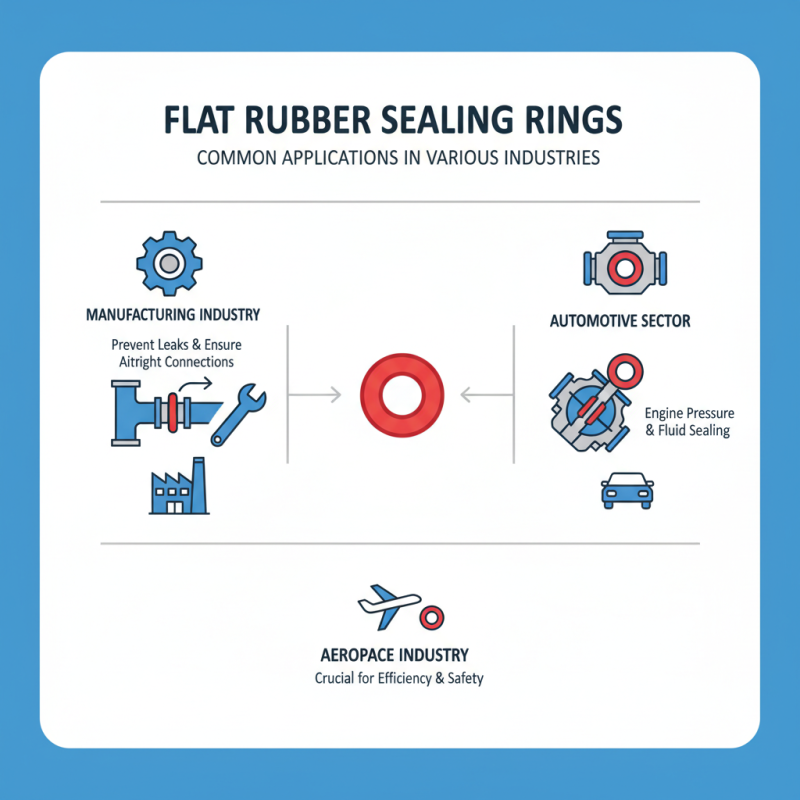
Flat rubber sealing rings play a crucial role in various industries. These rings are essential for preventing leaks and ensuring airtight connections. Industries like automotive, aerospace, and manufacturing heavily rely on them for efficiency. In the automotive sector, for example, flat rubber seals are used in engines to maintain pressure and prevent fluid leaks. This contributes to the overall performance and safety of vehicles.
In the food and beverage industry, flat rubber sealing rings are vital for maintaining hygiene standards. They ensure that containers are tightly sealed, preventing contamination. The pharmaceutical industry also utilizes these seals to protect sensitive products. Flat rubber sealing rings help maintain sterile environments and guarantee product integrity. However, it’s important to choose the right material for specific applications. Different environments require different types of rubber, which can affect performance.
Many users overlook the importance of proper installation. Incorrect fitting can lead to leakage and costly repairs. Regular inspections are necessary to identify wear and tear. Understanding the common applications and challenges associated with flat rubber sealing rings allows for better decision-making. These considerations ensure reliability in crucial systems across various sectors.