What is Ito Coated Pet and its Applications in Industry?
Ito Coated Pet, a cutting-edge material, is gaining attention across various industries. This specialized film, coated with indium tin oxide (ITO), exhibits excellent electrical conductivity and optical transparency. According to a recent report by MarketsandMarkets, the global ITO-coated materials market is expected to reach $3.5 billion by 2025, highlighting significant growth and diverse applications.
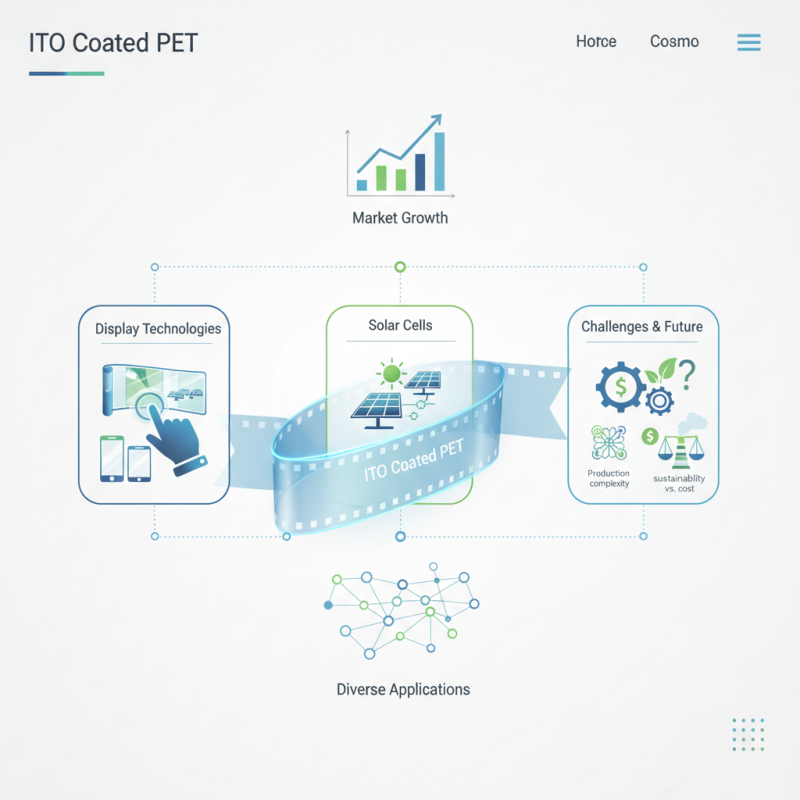
Experts emphasize its importance. Dr. Michael Cheng, a leader in thin-film technology, states, "Ito Coated Pet is revolutionizing display technologies and solar cells." This material's unique properties enable advanced applications in touch screens, flexible displays, and energy-efficient solar panels.
Despite its potential, challenges remain. The production process can be complex, impacting cost-efficiency. Additionally, environmental concerns around mining indium raise questions about sustainability. As industries innovate, balancing performance and ethical sourcing will be critical for the future of Ito Coated Pet.
What is Ito Coated Pet?
ITO (Indium Tin Oxide) coated PET (Polyethylene Terephthalate) is a specialized film known for its unique conductive properties. This transparent conductive material is often used in various electronic applications. According to a report by MarketsandMarkets, the global ITO market is expected to reach $5 billion by 2025, underscoring its increasing significance in the tech industry.
The production process of ITO coated PET involves applying a thin layer of indium tin oxide onto the polymer surface. This layer provides excellent electrical conductivity while maintaining optical transparency. Such properties make it ideal for touch screens, LCD displays, and photovoltaic devices. A recent industry analysis highlighted that touch screen applications alone account for over 40% of the material's use, showcasing its critical role in everyday technology.
Despite its advantages, the reliance on rare elements like indium raises concerns. The extraction of indium can lead to environmental issues and supply chain vulnerabilities. Additionally, alternative materials are being researched, highlighting the need for innovation in the field of transparent conductors. Evaluating these aspects is crucial for the sustainable growth of industries utilizing ITO coated PET.
ITO Coated PET Applications in Various Industries
Composition and Properties of Ito Coated Pet
ITO (Indium Tin Oxide) coated PET (Polyethylene Terephthalate) films offer unique characteristics that are valuable across various industries. The coatings provide excellent electrical conductivity while maintaining transparency. This dual property allows ITO coated PET to be used in applications such as touch screens, solar cells, and flexible displays. The films are lightweight yet robust, appealing to manufacturers seeking durability and efficiency.
The composition of ITO involves indium oxide and tin oxide, creating a thin layer on PET substrates. This process results in a film that exhibits high optical clarity. The electrical properties make it suitable for use in electronic devices. However, achieving consistent coating thickness remains a challenge. Variability can affect electrical performance. Companies must continuously innovate to enhance manufacturing processes and quality control.
Moreover, the environmental impact of ITO coated PET cannot be overlooked. While the materials are effective, their production can be resource-intensive. Sustainable practices are essential for reducing waste. Many industry leaders are exploring alternative materials or recycling methods. This ongoing research highlights the commitment to improving long-term sustainability in technology industries.
Applications of Ito Coated Pet in Electronics and Displays
ITO (Indium Tin Oxide) coated PET (polyethylene terephthalate) is gaining traction in various industrial applications, particularly in electronics and display technologies. One of the most significant uses of ITO coated PET is in touchscreens. Its transparent, conductive properties allow for touch sensitivity while maintaining a clear display. This combination enhances user experience in smartphones, tablets, and kiosks.
In the realm of flexible displays, ITO coated PET is invaluable. It provides a lightweight and durable substrate for OLED (organic light-emitting diode) screens. These displays are thinner and more energy-efficient than traditional ones. Additionally, the flexibility of PET makes it easier to integrate into various device designs, raising innovation potential in consumer electronics.
Tip: When considering materials, look for options with high optical clarity and conductivity. Not all ITO coated materials perform the same. Some may degrade over time, affecting performance.
The applications of ITO coated PET also extend to solar cells and sensors. In photovoltaics, it acts as a transparent electrode, essential for light absorption. Similarly, in sensor technology, ITO coated PET is utilized in gas sensors and biosensors, crucial for environmental monitoring. However, the issue of indium scarcity prompts reflection on the sustainability of using ITO. Exploring alternatives could be beneficial.
Tip: Stay informed about advancements in material science. Innovations may lead to more sustainable solutions that match or surpass current ITO coated options.
Industrial Uses of Ito Coated Pet in Packaging and Automotive
Ito Coated PET has gained traction in various industries, particularly in packaging and automotive applications. This material offers a unique combination of properties, making it ideal for multifunctional uses. In packaging, its excellent optical clarity and barrier properties enhance product visibility. According to industry reports, the global market for functional films, including Ito Coated PET, is projected to grow by 6.5% annually through 2026.
In the automotive sector, Ito Coated PET is valued for its lightweight nature and durability. These characteristics contribute to improved fuel efficiency and reduced emissions in vehicles. A report from a leading automotive research firm highlights that using advanced materials like Ito Coated PET can lower vehicle weight by up to 10%. This was a notable achievement, considering other materials may not provide the same benefits without compromising safety.
However, it is essential to consider the environmental impact of such materials. While Ito Coated PET offers several advantages, the recycling processes for coated films are still limited. Addressing these sustainability concerns is crucial for the industry. Companies must explore innovative recycling solutions and assess end-of-life options for these materials, ensuring a balance between performance and environmental responsibility.
Future Trends and Innovations in Ito Coated Pet Technology
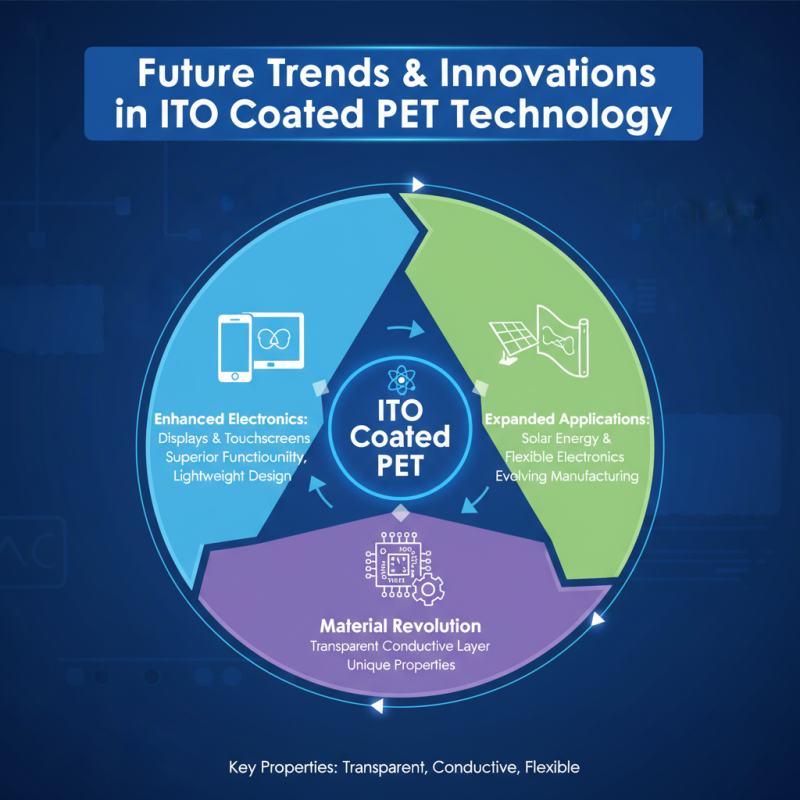
Ito coated PET (polyethylene terephthalate) is gaining traction in various industries. Its unique properties are changing how we think about materials. The transparent conductive layer enhances electronics like displays and touch screens. This feature offers superior functionality while maintaining a lightweight design. As manufacturing processes evolve, the applications for Ito coated PET are expanding, particularly in solar energy and flexible electronics.
Future trends indicate a shift toward sustainable practices in production. Innovations such as eco-friendly coating methods are being explored. These methods aim to reduce waste and enhance recyclability. Emerging technologies might optimize the performance of Ito coated PET, making it even more efficient. However, the integration of these technologies presents challenges. The cost of adopting new processes may hinder some manufacturers. Exploring the balance between innovation and economic viability remains crucial. As industries pursue advanced applications, the potential for Ito coated PET continues to grow, albeit with complexities that require careful consideration.