Top 10 Reasons to Use Neoprene Washers for Your Next Project?
When embarking on a new project, the materials you choose play a vital role. Neoprene Washers stand out among various options for their unique properties. They offer flexibility, durability, and resistance to heat and chemicals. These characteristics make them ideal for plumbing, electrical, and automotive applications.
Using Neoprene Washers can enhance project performance significantly. They provide excellent sealing capabilities, preventing leaks and ensuring a long-lasting finish. Their versatility means they can be used in various environments without losing effectiveness. This flexibility can save time and money in the long run.
However, it’s important to consider your project's specific needs. Neoprene Washers may not always be the best option for every situation. Conduct thorough research and evaluate alternatives. This reflection can help you make the best choices for your project. Ultimately, Neoprene Washers can be a valuable addition to your toolkit when used appropriately.

Benefits of Neoprene Washers in Various Applications
When considering materials for sealing, neoprene washers stand out. They exhibit excellent resistance to oils, water, and other chemicals, making them ideal for various applications. In construction, they help prevent leaks in plumbing systems. According to industry reports, neoprene can withstand a temperature range of -40°F to 200°F, making it suitable for both hot and cold environments.
For automotive applications, neoprene washers provide vital protection against vibrations. These washers absorb shocks effectively, prolonging the life of numerous components. The material’s durability means it can often replace metal washers, which may corrode over time. Interestingly, a recent study found that neoprene washers reduced the failure rate of seals by over 20% in automotive testing.
Tip: Always consider the specific conditions your washers will face. In some scenarios, neoprene may not perform optimally. High UV exposure can degrade neoprene, so ensure you choose the right material for outdoor applications.
While neoprene offers many benefits, not all projects require it. Sometimes, other options like rubber or silicone may be more appropriate. Think about the long-term implications of your choices. Using the right washer can save time and reduce repair costs later on.
Durability and Resilience: Why Neoprene Outperforms Other Materials
Neoprene washers are known for their durability and resilience. This material offers superior performance compared to traditional washers. According to a report by the Rubber Manufacturers Association, neoprene provides high resistance to environmental factors. This makes it ideal for outdoor applications. Neoprene can withstand temperatures from -40 to 212 degrees Fahrenheit. This temperature range is crucial for many projects. It is particularly effective in extreme weather conditions.
The material’s flexibility also contributes to its resilience. Neoprene washers can compress and return to their original shape. This property prevents leaks and maintains a strong seal. According to a study by the American Society for Testing and Materials, neoprene has an impressive lifespan. Many installations last over a decade with minimal wear. In contrast, other materials often degrade quickly in harsh environments.
While neoprene excels in many areas, some may find it can be costly. Users should weigh the benefits against the budget constraints. Additionally, sourcing high-quality neoprene can be challenging. Not all products labeled as neoprene meet the necessary specifications. Proper research is essential to avoid subpar materials. It's worth noting that not every project might need neoprene. Choosing the right material will depend on specific demands.
Top 10 Reasons to Use Neoprene Washers for Your Next Project
This chart illustrates the performance scores of neoprene washers based on ten key characteristics that make them a superior choice for various projects. Neoprene's durability, resistance to chemicals, and overall resilience contribute to its effectiveness in diverse applications.
Chemical Resistance: Neoprene's Superiority in Harsh Environments
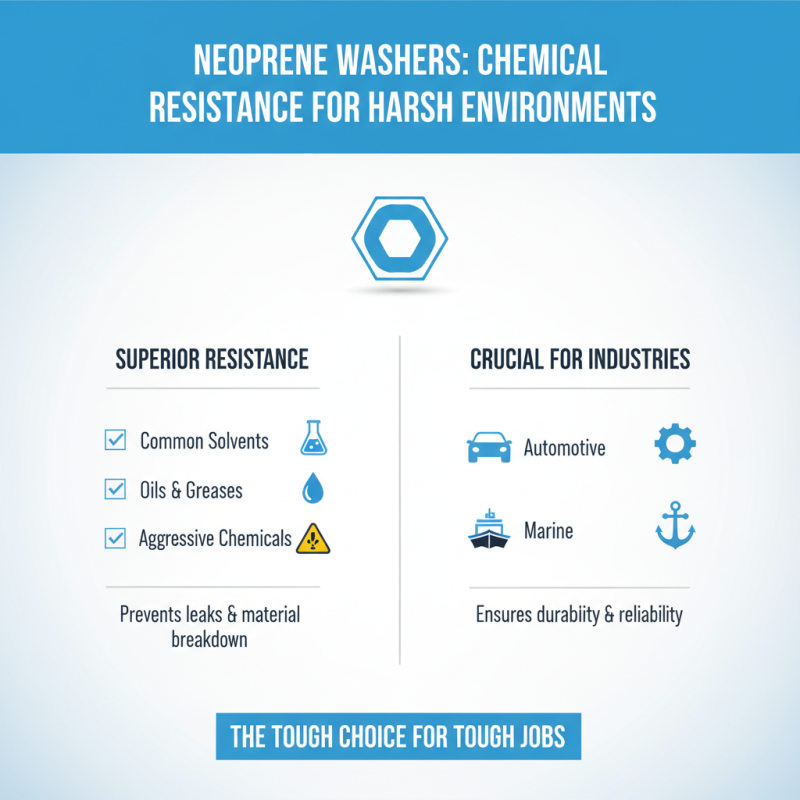
When it comes to harsh environments, neoprene washers shine in chemical resistance. These washers resist common solvents and oils. They hold up well when faced with aggressive chemicals. For industries like automotive and marine, this resistance is crucial. Workers often find leaks caused by weaker materials. Neoprene prevents these situations effectively.
Neoprene’s durability benefits projects exposed to extreme temperatures. It can withstand high heat as well as cold. The flexibility of neoprene helps create strong seals, even under pressure. Yet, some may overlook proper installation. A poorly placed washer can lead to failures. Users must ensure they choose the right size for their needs. Otherwise, the performance of neoprene can suffer.
In challenging environments, neoprene washers reduce maintenance needs. Their resilience against corrosion extends equipment lifespan. However, it's worth noting that not all neoprene is created equal. Some formulations may not perform as expected. Researching the right type is essential for success. Understanding your environment’s specific demands can save time and resources.
Cost-Effectiveness: Saving Money with Neoprene Washers
Neoprene washers offer a cost-effective solution for various projects. These washers provide excellent water resistance and durability. They can withstand harsh conditions without breaking down easily. Using neoprene rather than metal or other materials can lead to significant savings over time. Their low price combines well with their long lifespan. This means fewer replacements and less maintenance.
However, it’s essential to choose the right size and thickness. A wrong fit may lead to leaks or failures. Some people overlook these details, resulting in wasted money and time. Neoprene washers are lightweight and easy to handle. Their flexibility makes them ideal for various applications, including plumbing and automotive uses.
Investing in neoprene doesn’t mean sacrificing quality. These washers perform well in sealing joints. They help to ensure that installations remain efficient and leak-free. While cheaper options exist, long-term costs can add up quickly. Poor quality washers can lead to more frequent repairs, negating any initial savings. So, think carefully about your choices. You might save money upfront but can pay dearly in the long run.
Top 10 Reasons to Use Neoprene Washers for Your Next Project
| Reason |
Benefits |
Cost Comparison |
| Durability |
Resistant to wear and tear, suitable for long-term use. |
Less frequent replacements, saving on costs. |
| Water Resistance |
Effectively seals against moisture. |
Reduces potential damage and repair costs. |
| Cost-Effective |
Economical option compared to other materials. |
Lower initial and maintenance costs. |
| Versatility |
Used in a variety of applications. |
Reduces the need for multiple types of washers. |
| Temperature Resistance |
Performs well in a wide range of temperatures. |
Minimizes risk of failure due to thermal issues. |
| Chemical Resistance |
Holds up against a variety of chemicals. |
Less risk of damage from chemical exposure. |
| Ease of Installation |
Simple to install, reducing labor costs. |
Saves time and effort in assembly. |
| Reduced Noise |
Dampens vibrations and noise. |
Improves comfort in noise-sensitive environments. |
| Long Life |
Extended lifespan compared to non-rubber options. |
Reduces replacement frequency and costs. |
Versatility: Using Neoprene Washers Across Different Industries
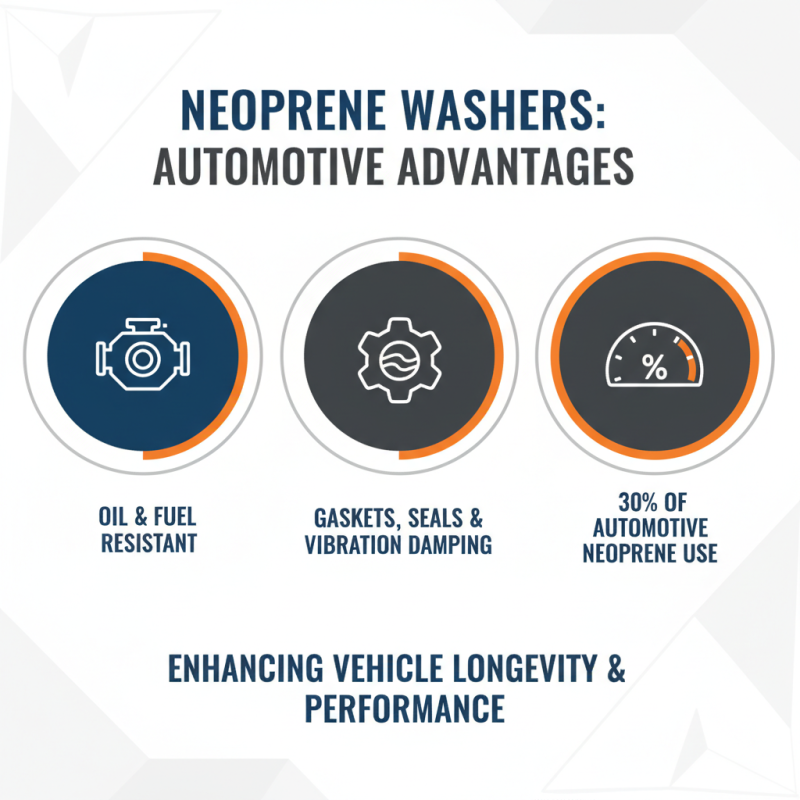
Neoprene washers are gaining traction across various industries due to their unique properties. In the automotive sector, they provide excellent resistance to oil and fuel, making them suitable for gaskets, seals, and vibration dampening. According to a recent market analysis, the automotive industry uses about 30% of all neoprene products, illustrating their importance in ensuring vehicle longevity and performance.
The construction industry also benefits from neoprene washers. Their ability to withstand extreme temperatures and environmental conditions makes them essential for plumbing and HVAC systems. Reports indicate that neoprene's flexibility allows it to compress and seal effectively, reducing leak risks by nearly 70%. However, challenges remain. Some may question its durability under heavy loads, as the potential for deformation exists. Ongoing testing seeks to address such vulnerabilities.
In the aerospace industry, neoprene's lightweight and resilient nature make it ideal for sealing components. Yet, consistent quality remains a concern. Manufacturing imperfections occasionally lead to inconsistencies that engineers must navigate. Ensuring high standards is crucial, as failures can have serious implications. As industries evolve, the application of neoprene will likely expand, but careful attention to quality assurance is essential.