Top 10 Tips for Choosing an Embossed Membrane Keypad?
Choosing the right Embossed Membrane Keypad can significantly impact the usability and aesthetics of your device. Industry expert John Smith, who has over 15 years of experience in the field, emphasizes, "A keypad is not just a component; it's a critical touchpoint for user interaction." His insight highlights the importance of making informed decisions when selecting a keypad.
Many factors contribute to the effectiveness of an embossed membrane keypad. These include design, material quality, and functionality. Consumers often overlook these elements, only to regret their choice later. A poor decision can lead to user frustration and reduced product longevity.
Understanding the nuances of an embossed membrane keypad is crucial. Not all keypads are created equal, and features can make a difference. Invest time in learning about your options. Reflect on what matters for your specific needs. This will make a meaningful difference in your selection process. Experts like Smith provide valuable guidance, but ultimately, the choice depends on your unique requirements.

Understanding the Basics of Embossed Membrane Keypads
Embossed membrane keypads have gained popularity in various applications due to their durability and design flexibility. These keypads consist of layers that create a tactile surface, enhancing user interaction. According to industry reports, the global membrane switches market is projected to reach $2.8 billion by 2024, indicating a robust demand for products like embossed membrane keypads.
When choosing an embossed membrane keypad, understanding its construction is crucial. The top layer typically features a printed graphic, while the middle layer contains the circuit. This construction ensures reliable performance in various environments. Notably, a report from MarketsandMarkets highlights that the automotive sector is a significant user of these keypads, focusing on both functionality and aesthetics. Some manufacturers experience challenges with adhesive effectiveness, potentially affecting longevity.
The selection process should also consider environmental factors. Exposure to moisture and temperature variations can affect the keypad's reliability. Studies indicate that up to 30% of keypads fail under harsh conditions, reflecting the importance of careful material choice. It's essential to evaluate how the keypad will be used to avoid potential functional issues over time.
Identifying Key Features and Benefits of Membrane Keypads
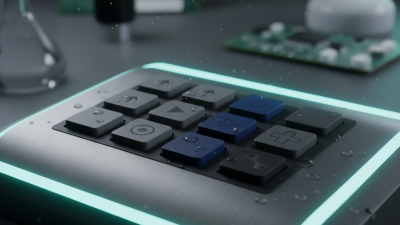
When selecting an embossed membrane keypad, understanding its features and benefits is crucial. One significant aspect is the tactile feedback provided by embossed keys. This feedback allows users to identify functions without needing to look closely at the keypad. The raised keys are designed for ease of use, especially in environments where visibility might be limited.
Consider the durability of the materials used. High-quality keypads resist wear and tear from repeated usage. This feature is essential for devices in demanding settings. Moisture and dust resistance are also key characteristics. They enhance the longevity and reliability of the keypad.
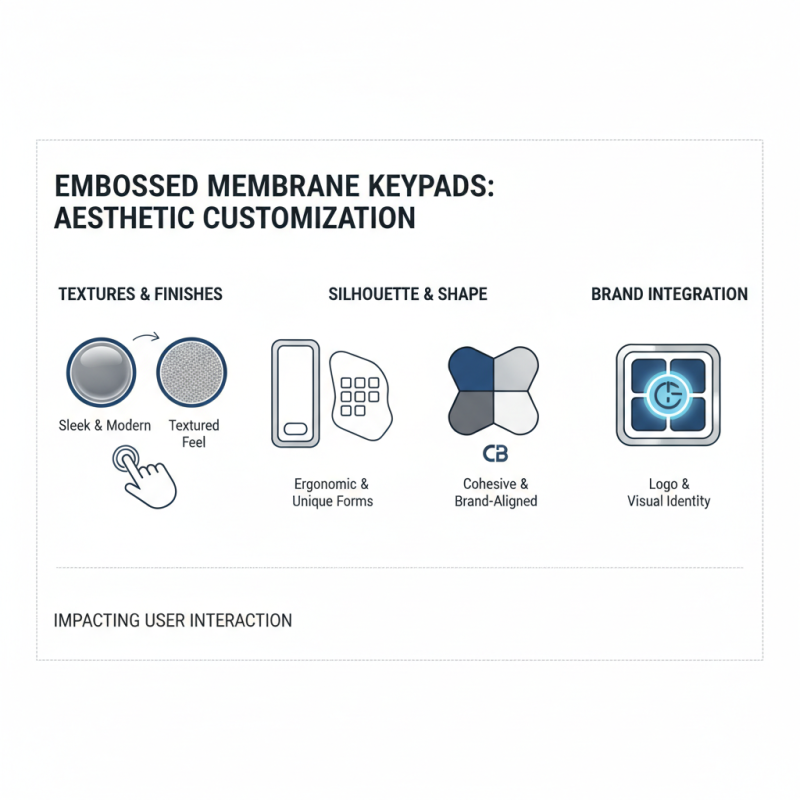
Regarding functionality, think about the customization options available. A keypad that can be tailored to specific device needs offers more flexibility. Such customization can improve user experience, which ultimately boosts productivity. Ensure you assess potential suppliers' expertise as well. This can make a significant difference in obtaining a reliable product. The right choice supports seamless operations and reduces frustration among users.
Top 10 Features of Membrane Keypads
Evaluating Material Quality for Durability and Performance
When selecting an embossed membrane keypad, material quality is critical for long-lasting performance. The industry reports indicate that keypads made from high-grade polyester and polycarbonate have superior durability. These materials resist wear, abrasion, and UV exposure, enhancing longevity. According to a study by the International Society of Automation, keypads utilizing these materials can maintain functionality for over 10 years.
Besides durability, tactile performance is essential. The choice of materials significantly affects the tactile feel of the button. High-quality membranes can provide better feedback with minimal actuation force. Research shows that users prefer keypads that require less pressure to operate. A softer touch promotes efficiency and reduces user fatigue in high-frequency applications.
It's also vital to consider manufacturing processes. Poor quality control can lead to inconsistencies in thickness and texture. Variations may result in mechanical failures over time. Data indicates that even minor flaws can reduce keypad reliability by up to 30%. Prioritizing quality assurance measures during production is crucial for achieving reliable keypad performance.
Assessing Cost vs. Quality for Budget-Friendly Choices
When selecting an embossed membrane keypad, balancing cost and quality is crucial. Many buyers seek budget-friendly options without sacrificing performance. Understanding how to evaluate these factors requires careful consideration.
Assess your specific needs. Not every project demands the highest quality. Sometimes mid-range products can provide satisfactory results. Check if the features align with your requirements. It might save money and deliver adequate performance.
Quality materials can affect durability. Cheaper keypads might require frequent replacements. Assess the lifespan versus immediate cost. Sometimes paying more upfront can lead to fewer long-term expenses. Research various suppliers to get the best price without cutting corners.
Don’t overlook the importance of support. Reliable manufacturers often offer better warranties. This can be a crucial aspect when weighing cost against quality. A keypad that frequently malfunctions can lead to frustration and extra costs. Taking the time to find the right balance is worth it.
Top 10 Tips for Choosing an Embossed Membrane Keypad
| Tip Number |
Key Consideration |
Description |
Cost vs. Quality Insight |
| 1 |
Material Quality |
Choose durable materials that resist wear and tear. |
Investing in high-quality materials can prevent replacements. |
| 2 |
Custom Design Options |
Ensure the keypad can be customized to fit your brand. |
Customization may affect cost, but enhances brand identity. |
| 3 |
Button Feedback |
Look for keypads that provide tactile or audible feedback. |
Good feedback improves user experience but may increase cost slightly. |
| 4 |
Environmental Resistance |
Consider resistance to dust, moisture, and extreme temperatures. |
Higher resilience can justify higher upfront costs. |
| 5 |
Size and Layout |
Select the right size and layout for your device or application. |
Proper layout ensures functionality but may impact costs. |
| 6 |
Ease of Use |
Design should ensure a smooth user interface for better accessibility. |
Increased ease may require investment in better design. |
| 7 |
Manufacturing Process |
Understand the manufacturing methods used for quality assurance. |
Process complexity may affect costs. |
| 8 |
Supplier Reputation |
Check the reputation and track record of potential suppliers. |
Reliable suppliers may command higher prices but ensure quality. |
| 9 |
Maintenance and Durability |
Evaluate the maintenance requirements and expected lifespan. |
Durable keypads may cost more upfront but save in the long run. |
| 10 |
Cost Considerations |
Compare costs across different suppliers without compromising quality. |
Balancing cost and quality is key to budget-friendly choices. |