Leave Your Message

What Are the Top Neoprene Seal Types in 2026?

I can write the introduction, but no source article or verifiable expert quotation was provided. To avoid inventing an expert or attributing a fabricated quote, please share the expert’s name and exact quotation, or allow an unattributed engineering insight instead.
What Are the Top Neoprene Seal Types in 2026?

Neoprene Seals: Composition and Essential Properties

What Are the Top Neoprene Seal Types in 2026?

Neoprene Seals: Composition and Essential Properties

Neoprene seals use polychloroprene, a synthetic rubber modified with fillers, curing agents, and stabilizers. The exact recipe matters. MatWeb’s polychloroprene material records list representative polymer densities around 1.23 g/cm³; added fillers can change a finished compound’s density and feel. Carbon black may improve strength and wear resistance, while other ingredients influence flexibility and aging.

Neoprene is valued for resistance to weathering, ozone, and moderate oils. But no single formulation suits every seal. ASTM D2000 classifies rubber materials by requirements such as hardness and heat resistance, while ISO 37:2017 specifies a method for measuring tensile properties. These standards help buyers compare tested compounds; they do not guarantee identical performance across products. A seal can look sound yet harden sooner under heat, compression, or incompatible fluids. Small details matter.

Tips: Check the compound’s test data, not just the word “neoprene.” Match its temperature, fluid, and compression limits to the actual equipment. If conditions fluctuate, ask for testing on the finished seal; published material values may not predict field life exactly.
How Neoprene Seal Designs Differ

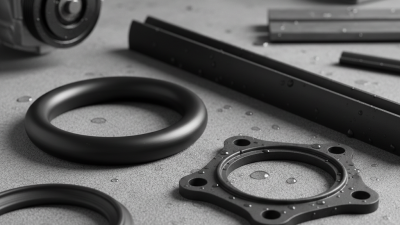
Neoprene seals are not one design with several names. Their shape determines how they fit, compress, and handle movement. An O-ring has a round cross-section and sits in a machined groove, making it useful for compact static or moving joints. A flat gasket spreads pressure across a broader surface, such as between two bolted panels. Fit matters most.

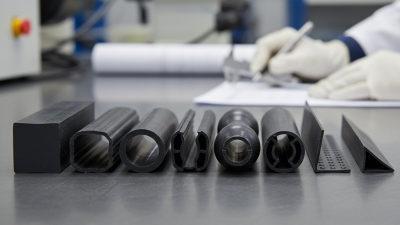
Extruded profiles, including D- and P-shaped seals, suit doors, covers, and long edges. Their hollow or shaped sections can compress against uneven surfaces, but the groove and closing force must match the profile. Sponge neoprene is lighter and more compliant than solid rubber. It can help fill gaps with modest pressure, though it may compress permanently under sustained load. Small gaps leak.

Molded seals can follow corners, ports, or unusual contours without several joined pieces. That reduces potential leak paths, but custom tooling may add cost and lead time. Material choice matters too: hardness, cell structure, temperature, and exposure to oils or weather affect service life. A seal that looks right can still fail if its compression is poorly controlled. I would verify the actual operating conditions before choosing; neat categories do not cover every assembly.

What Are the Top Neoprene Seal Types in 2026?

How neoprene seal designs differ: representative Shore A hardness ranges for common solid neoprene seal forms.

The bands show representative specification ranges, not universal limits. Actual hardness depends on the compound and product design. Sponge neoprene is excluded because it is typically rated on the Shore 00 scale, which is not directly comparable with Shore A.

Top Neoprene Seal Types in 2026

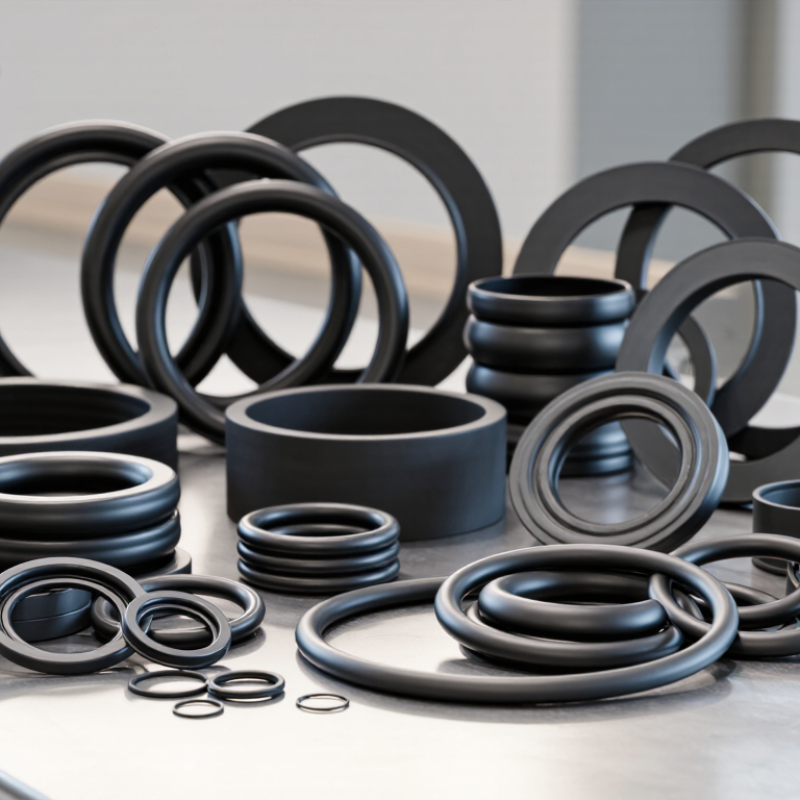
Neoprene seals remain useful where parts need flexible, weather-resistant contact. The right type depends on movement, pressure, and the shape of the joint. O-rings fit compact grooves around static connections, such as a pump cover. They are easy to inspect, but a twisted ring can leak. Small details matter.

Neoprene cord can be cut to length for irregular joints or repairs. Its ends need a clean, snug join; a rough gap may become a leak path. Sheet gaskets suit flat flanges, access panels, and equipment covers. Choose thickness carefully: a gasket that is too thick may shift, while one that is too thin may not fill surface marks. Molded profiles offer consistent shapes for cabinets, doors, and windows. Lip seals can reduce dust entry around moving shafts, though friction and wear need attention.

Selection should start with the actual conditions, not a generic claim of suitability. Check the fluid, temperature range, compression, and exposure to sunlight or oils. Neoprene grades differ, and “rubber” is not a complete specification. Review supplier data and test a sample under real conditions when failure would be costly. A neat drawing can still miss a rough flange or uneven bolt pressure. That happens.

Applications and Performance of Each Seal Type

What Are the Top Neoprene Seal Types in 2026?
Applications and Performance of Each Seal Type

Neoprene seals come in several profiles, and geometry often matters as much as the rubber itself. O-rings work well in compact, evenly machined grooves, such as pump housings and pipe connections. They handle repeated compression, but a poor groove fit can cause leaks or premature wear. Fit matters. D-section seals provide a broader contact face for access panels, doors, and equipment covers. Their shape can help maintain contact across small surface variations, though excessive compression may flatten the profile over time.

Lip seals suit moving parts, where a flexible edge helps limit water and dust entry around a shaft or sliding panel. They are less suited to rough, misaligned surfaces that can abrade the lip. Closed-cell sponge profiles compress easily and work well around enclosures exposed to rain or vibration. Solid neoprene sheet gaskets are useful for flat flanges and custom-cut interfaces. Performance still depends on thickness, load, temperature, and exposure: neoprene tolerates weathering and water well, but compatibility with oils or cleaning fluids should be checked for the specific grade. Not always obvious. A seal that feels soft in hand may still be too stiff for a low-pressure joint, so testing the actual assembly is worth the effort.

How to Choose the Right Neoprene Seal for Your Needs

Start with the joint, not the catalog label. Measure the groove’s width and depth, then note whether the seal faces steady pressure, vibration, or repeated opening. A flat gasket may suit a bolted cover, while a sponge strip can conform to uneven panels. Solid neoprene usually offers firmer support, but it needs a well-sized groove and controlled compression.

Next, identify what touches the seal: water, outdoor air, oils, cleaners, or heat. Neoprene performs well in many weather and water applications, yet compatibility depends on the exact compound and exposure. Check the supplier’s technical sheet for temperature limits, hardness, and compression-set data. If the fluid or temperature is uncertain, ask for a compatibility review or test a small sample.

Also consider movement and installation. An extruded profile may be easier to fit around a long edge; a molded part can hold a more complex shape. Avoid choosing by thickness alone: excessive squeeze can distort the seal, while too little may leave a leak path. Fit matters. Record dimensions, operating conditions, and replacement intervals to make future choices less guesswork-driven. A neat fit is not proof of a durable seal, so inspect it after real service.