2026 How to Use Led Inks for Innovative Printing Solutions?
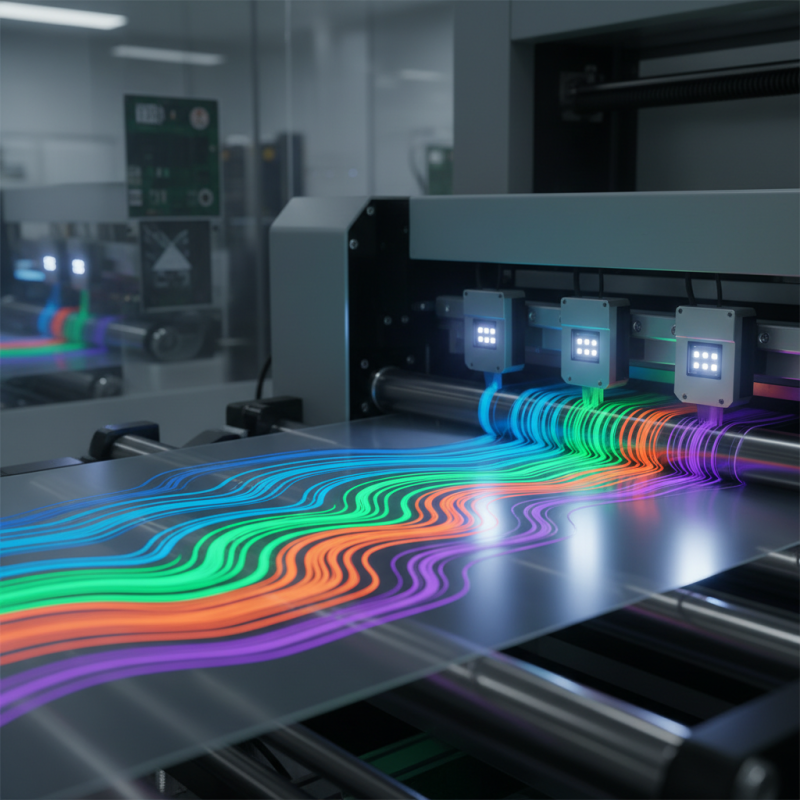
Innovative printing solutions are revolutionizing the industry, and one major player is Led Inks. These inks are eco-friendly and energy-efficient. They offer vibrant colors and quick curing times, making them ideal for various applications.
However, using Led Inks requires careful considerations. While they provide superb quality, the initial investment may be higher than traditional inks. It's essential to evaluate your printing needs and capabilities.
Experimenting with these inks can be a learning process. There might be challenges in achieving the desired results. Proper training and understanding of Led Inks are crucial for success. As we explore these innovative solutions, we must be open to adapting and refining our approaches.
Understanding LED Inks: Composition and Benefits
LED inks are a fascinating development in the world of printing. Their unique composition includes photoinitiators that respond to UV light. This enables quick drying times, allowing printers to deliver projects faster. The formulation of these inks is essential. They are often low in volatile organic compounds, making them more environmentally friendly.
Using LED inks can provide exceptional color vibrancy. However, achieving consistent results requires careful calibration. The curing process uses light, which can sometimes lead to issues if not monitored properly. Each printer may react differently to these inks, so testing is crucial.
There are potential drawbacks as well. Some surfaces may not hold the ink effectively. It’s essential to assess substrate compatibility to avoid problems. Printers must also consider the initial investment in LED technology. It might seem daunting, but the long-term benefits can outweigh the hurdles. Experimentation with these inks can lead to innovative printing solutions.
Exploring Innovative Applications of LED Inks in Printing
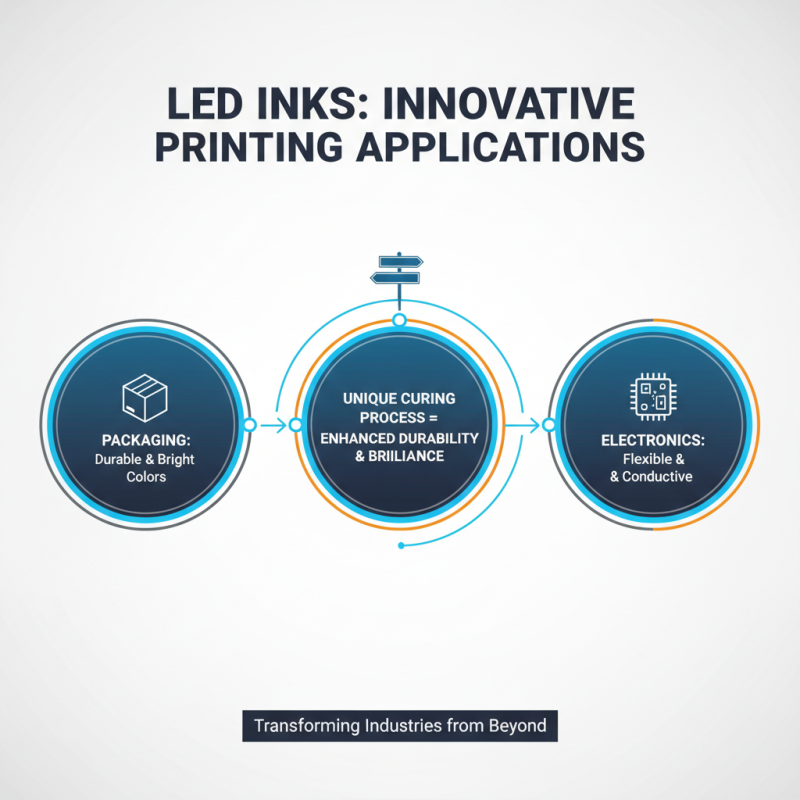
LED inks are transforming the way we approach printing. Their unique curing process offers vibrant colors and improved durability. This makes them ideal for a wide range of applications, from packaging to signage.
One intriguing application is in the textile industry. LED inks can print on various fabrics, producing stunning designs that resist fading. The quick-drying feature allows for rapid production, which can help meet increasing demand. However, achieving perfect adhesion can sometimes be a challenge. Finding the right balance between ink composition and fabric type is vital.
Another exciting use is in printed electronics. LED inks can conduct electricity, opening doors for innovative designs in consumer devices. Imagine printing circuits directly onto flexible materials. This approach can reduce production costs. Yet, the technology is still in its infancy. Exploring its full potential requires continuous experimentation and collaboration among experts.
Step-by-Step Guide to Printing with LED Inks
Using LED inks for innovative printing solutions has gained traction in recent years. This technology offers a range of benefits, particularly in environmental sustainability. Reports show that LED inks can reduce energy consumption during the curing process by up to 80% compared to traditional inks. This could lead to significant cost savings and a smaller carbon footprint.
When printing with LED inks, prepare your workspace. Ensure the printer settings are configured correctly. Keep the substrates compatible with LED inks. This is crucial. Materials like paper and certain plastics work better than others. Experimentation may be necessary to achieve optimal results. Reports indicate that about 65% of printers experienced initial challenges with adhesion. Patience is essential during this learning process.
After printing, inspect the finished product closely. Color vibrancy may not meet expectations on the first try. Adjustments in formulation might be required. Some printers reported issues with curing speeds. This is important for ensuring durability. While LED inks offer exciting possibilities, they come with a learning curve. Each project will teach valuable lessons in application and process. Each error can be an opportunity for improvement.
Challenges and Solutions in LED Ink Printing Technologies
LED ink printing technologies are gaining traction due to their efficiency and eco-friendliness. However, there are notable challenges that practitioners must address. One significant issue is the curing process. While LED inks cure quickly, the correct wavelength and intensity are crucial. Poor curing leads to smudging and poor adhesion on various substrates. It's essential to test different settings to find the optimal configuration.
Another challenge lies in the ink formulation itself. Finding the right balance between flexibility and durability can be difficult. Some formulations are too brittle, while others may not provide sufficient vibrancy. It's important to experiment with various mixtures to achieve the desired results.
Tips: Always conduct small test prints before a full run. This step saves materials and time. Monitoring the environment can also help. Humidity and temperature influence ink behavior. Adjust these factors for consistent quality. Regular ink maintenance is vital. Clogged nozzles can lead to inconsistent prints. Keeping your equipment clean is key to efficient production.
Future Trends in LED Ink Solutions for Sustainable Printing
LED ink technology is paving the way for more sustainable printing solutions. Research shows that LED inks can reduce energy consumption by up to 50% compared to traditional UV inks. This significant reduction aligns with global sustainability goals. However, challenges remain. Some printers struggle with the initial costs of LED systems, which can deter investment.
One innovative trend is the development of eco-friendly formulations. These inks use less volatile organic compounds (VOCs). A report by Smithers states that the market for sustainable printing inks is expected to grow at a CAGR of 7% through 2026. However, there is still a long way to go. Many printers question the long-term performance of these inks. Durability and color vibrancy need consistent improvement.
Additionally, the adoption of LED ink technology varies widely by region. Some areas see rapid growth, while others lag behind. The ongoing education about LED ink benefits is necessary. Sustainability begins with awareness. Innovations mustn’t just focus on technology but also on educating users about these advancements. Only then can the full potential of LED inks be realized.