



Suzhou Menhow Accelerates Automation Transformation: Machine Vision Solves Silicone Rubber QA Pain Points, 80% "Machine Inspection" by Year-End
Amid the silicone rubber product industry’s intelligent upgrade wave, Suzhou Menhow is leading a shift from traditional manual inspection to automated testing, centered on machine vision technology. Currently, it has introduced 5 sets of automated equipment (covering partial product lines) and set a clear timeline: 40% of products will adopt "machine-based inspection" by October 2025; additional equipment will be purchased in November to boost automated QA coverage to 80% by year-end. This initiative directly addresses industry-wide pain points like hard-to-detect micro-defects and low manual inspection efficiency.
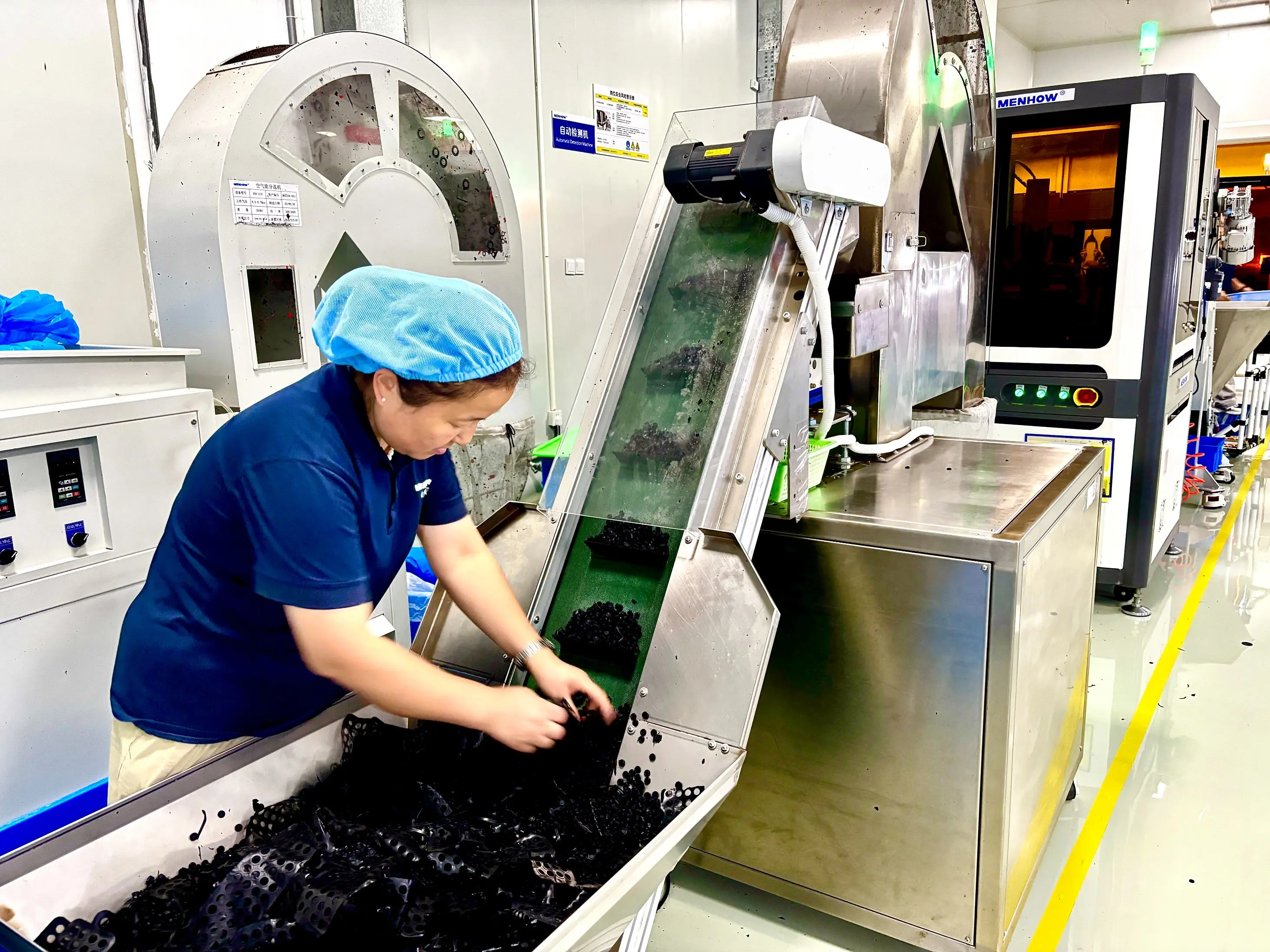
For years, Suzhou Menhow struggled with inefficient silicone rubber QA. Molded rubber parts and gasket seals often develop defects—scratches, bubbles, material shortages, flash, and embedded impurities—during injection molding and vulcanization. Traditional manual inspection is not only inefficient but also unstable, as it is affected by worker fatigue and mood. For instance, high-standard O-rings require flash control within 0.1mm (thinner than a human hair), yet conventional manual visual inspection has a high missed detection rate. Additionally, manual inspection takes 10 seconds per piece, with a maximum daily capacity of 9,900 pieces per person—far behind production line speeds.
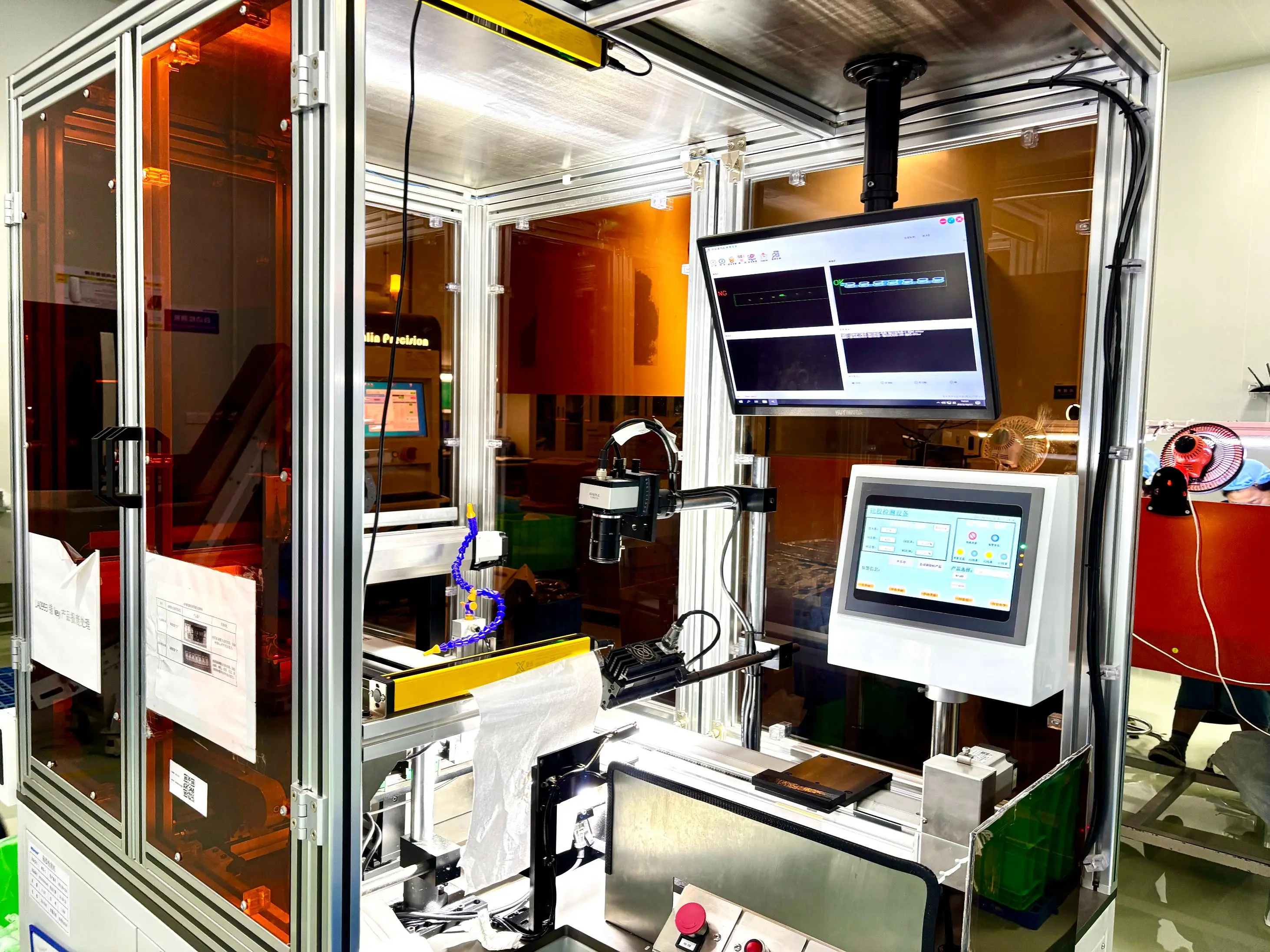
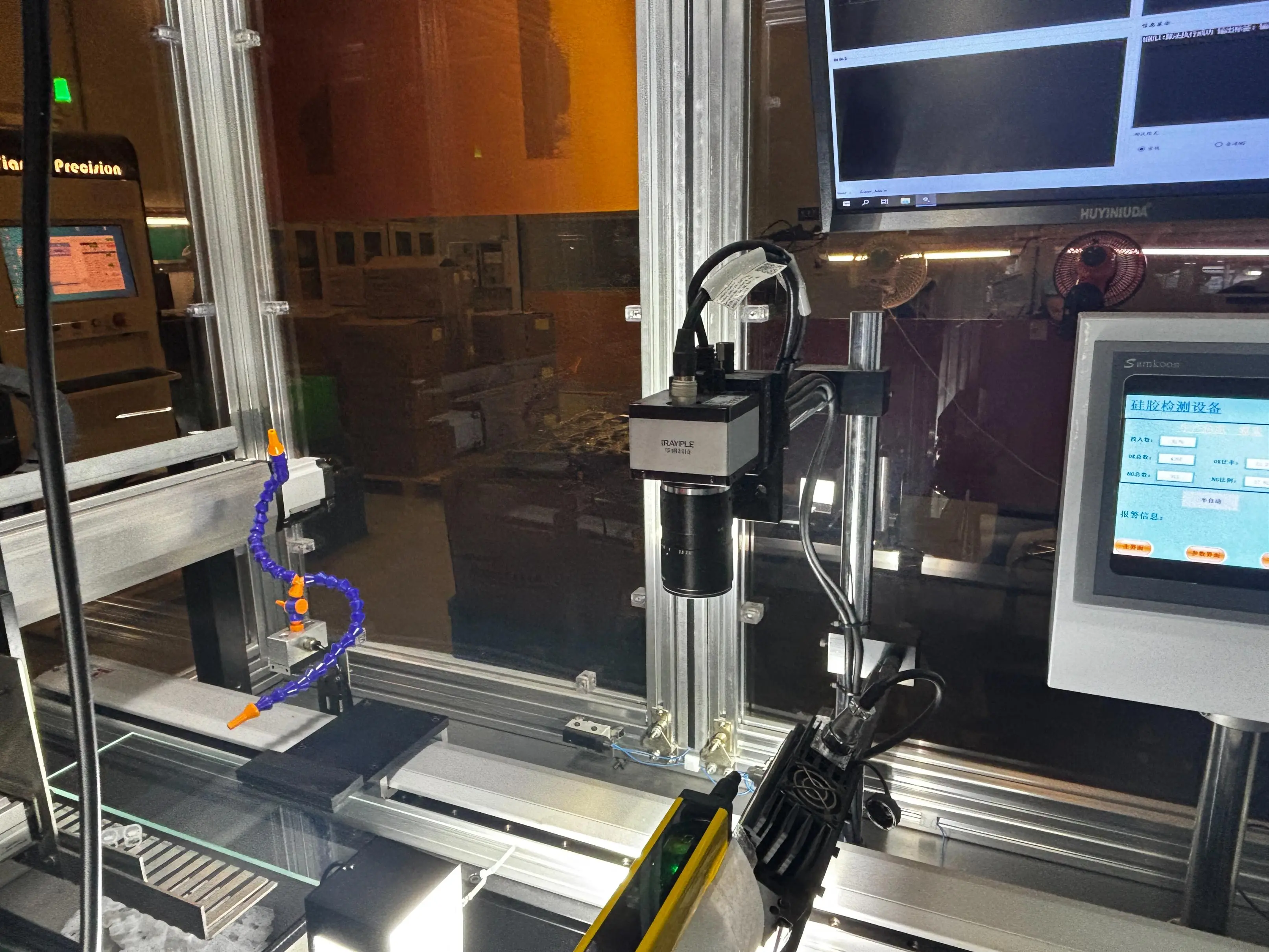
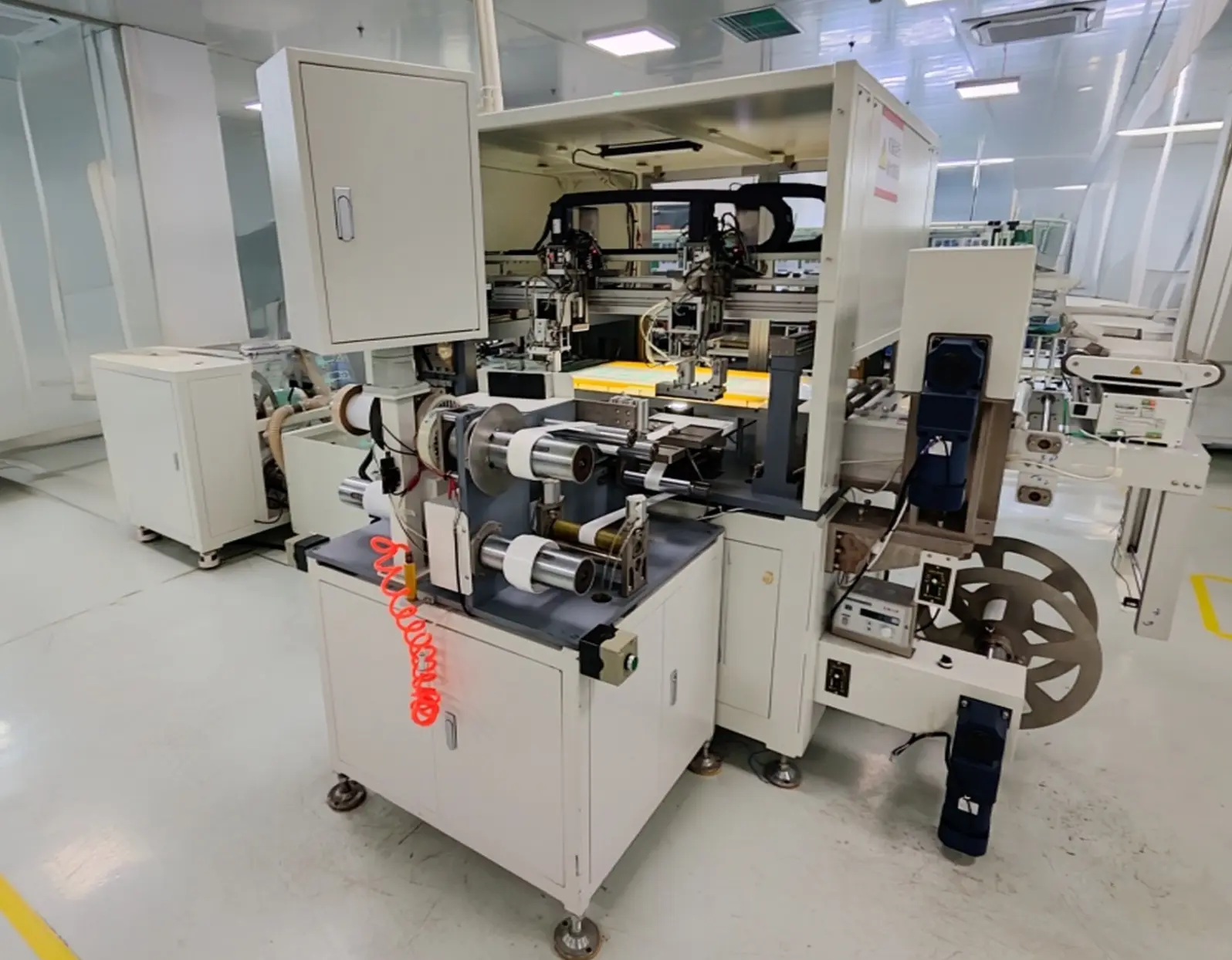
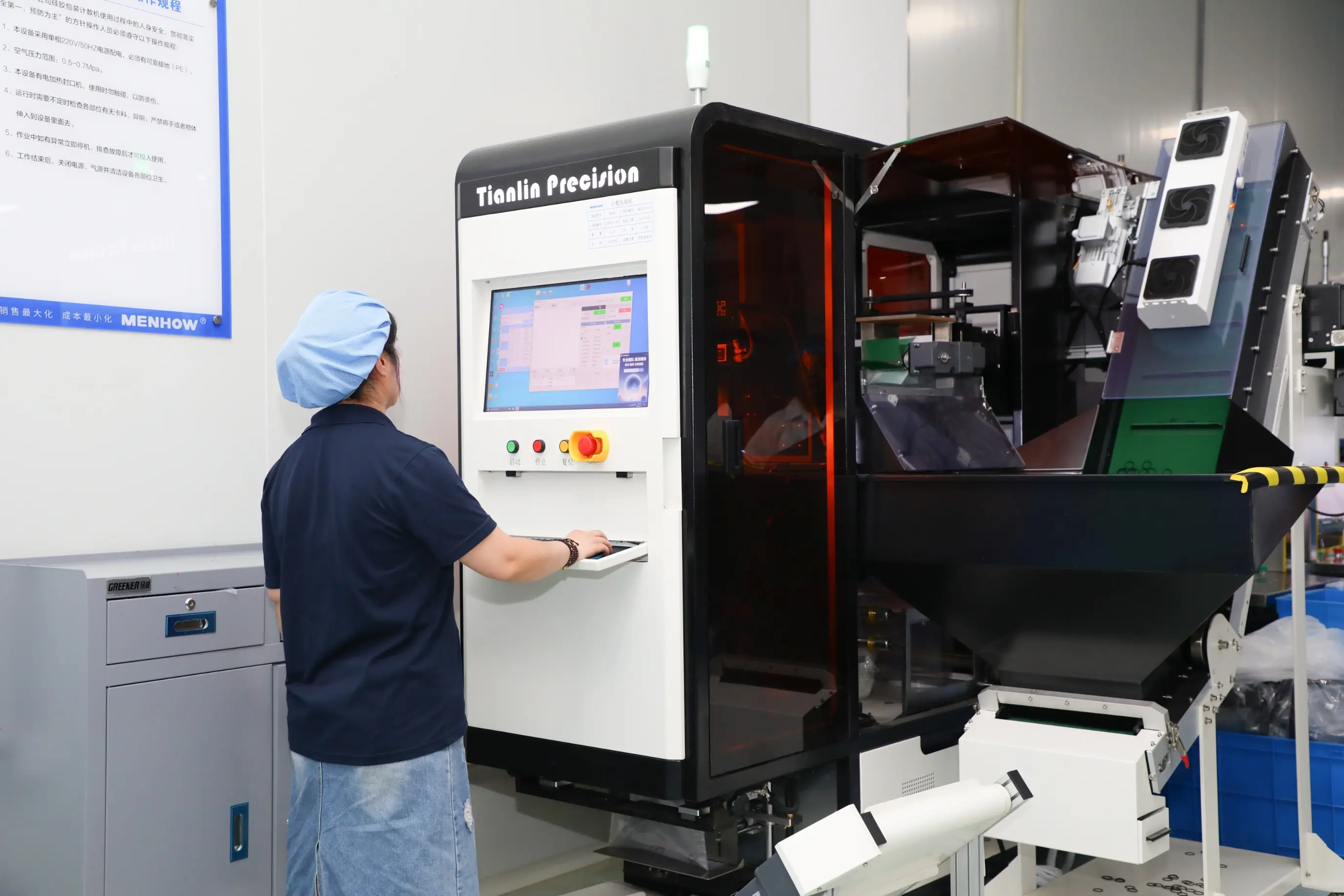
To improve efficiency, Suzhou Menhow rolled out automated equipment: 2 sets of manual-loading machine vision QA devices, 2 sets of fully automatic-loading ones, and 1 set of fully automatic packaging equipment, forming a preliminary "inspection-packaging" automated workflow. Each manual-loading device processes 1,300 pieces per hour, while fully automatic ones reach 30,000 pieces per hour—equivalent to 5 skilled inspectors. Operating 24/7, daily capacity exceeds 600,000 pieces. Since commissioning, the QA team has shrunk from 32 to 22 members, cutting labor costs by 68%.
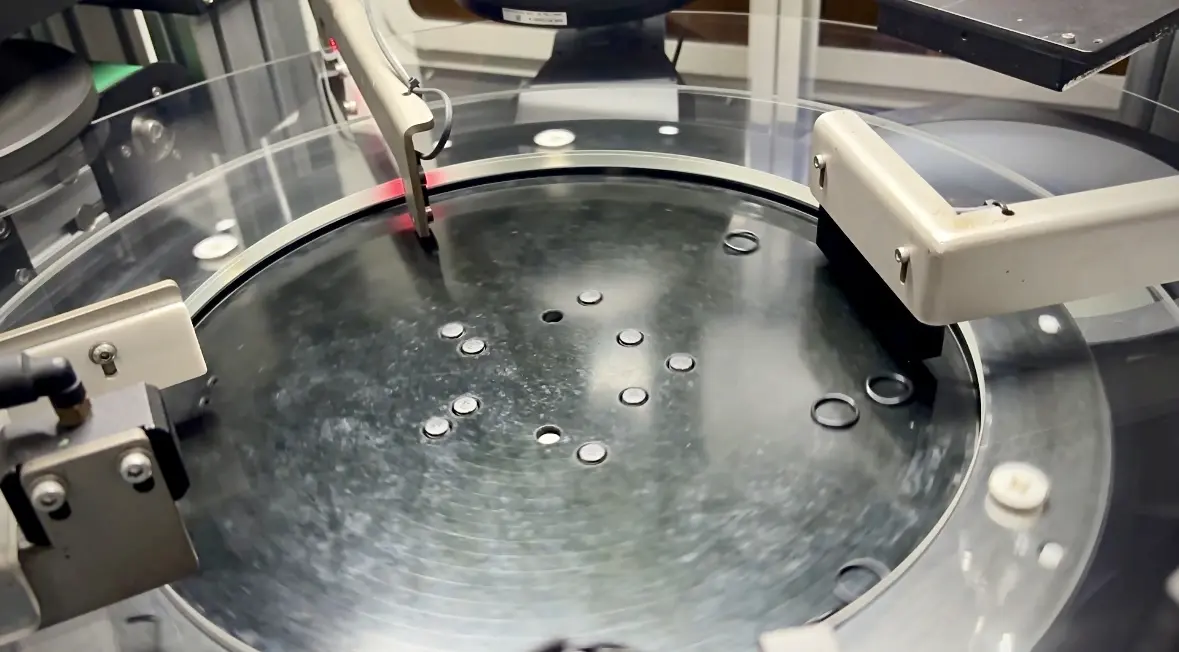
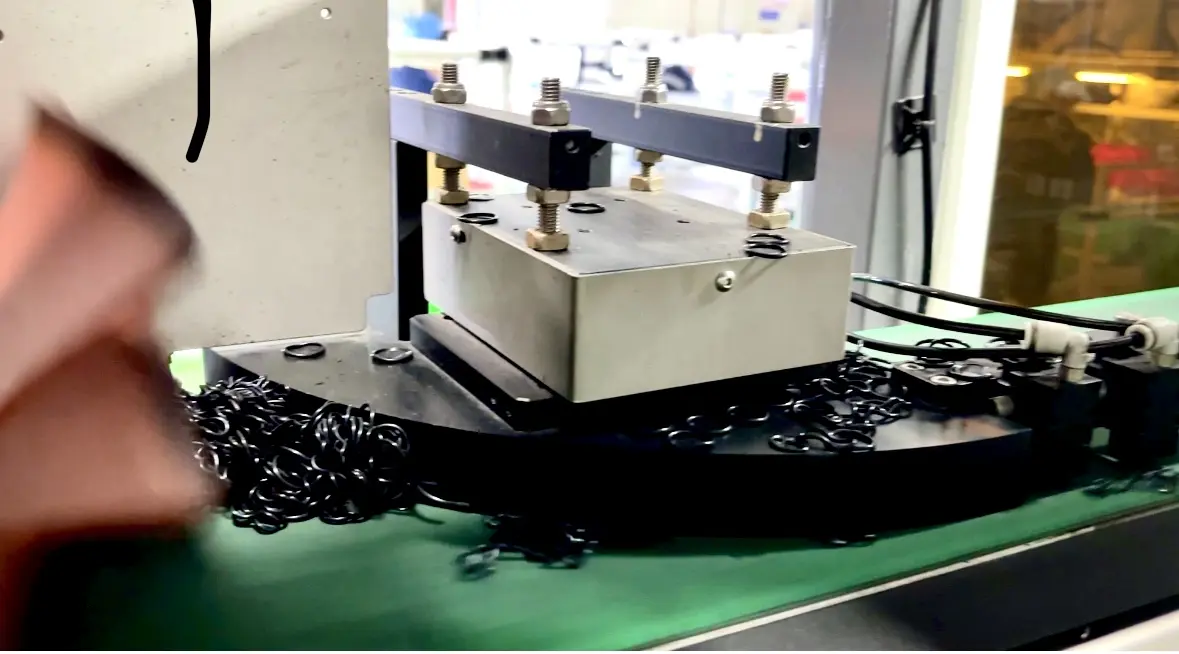
A "three-phase plan" accelerates the transformation:
- October (Intensive Implementation): Complete equipment adaptation for 40% of silicone rubber products (covering core categories like rubber keypads, LSR liquid silicone rubber, and 2K molding parts) and verify stability across product specifications.
- November (Capacity Expansion): Add 1 more fully automatic-loading machine vision device to increase automated QA lines, lifting coverage to 60%.
- Year-End (Finalization): Achieve machine vision inspection for 80% of products; only a small team will handle custom products, fully replacing core manual QA links.
Suzhou Menhow has also built a "inspection-feedback-correction" closed-loop quality management system via its MES (Manufacturing Execution System). The equipment records defect types/quantities per batch in real time and auto-generates daily/weekly/monthly QA reports, enabling the production department to quickly trace root causes and reduce losses. The company aims to raise silicone rubber product yield from 92% to 99.3%, becoming a model for the industry’s intelligent transformation.