Top 10 Benefits of Using Neoprene Seal for Your Projects?
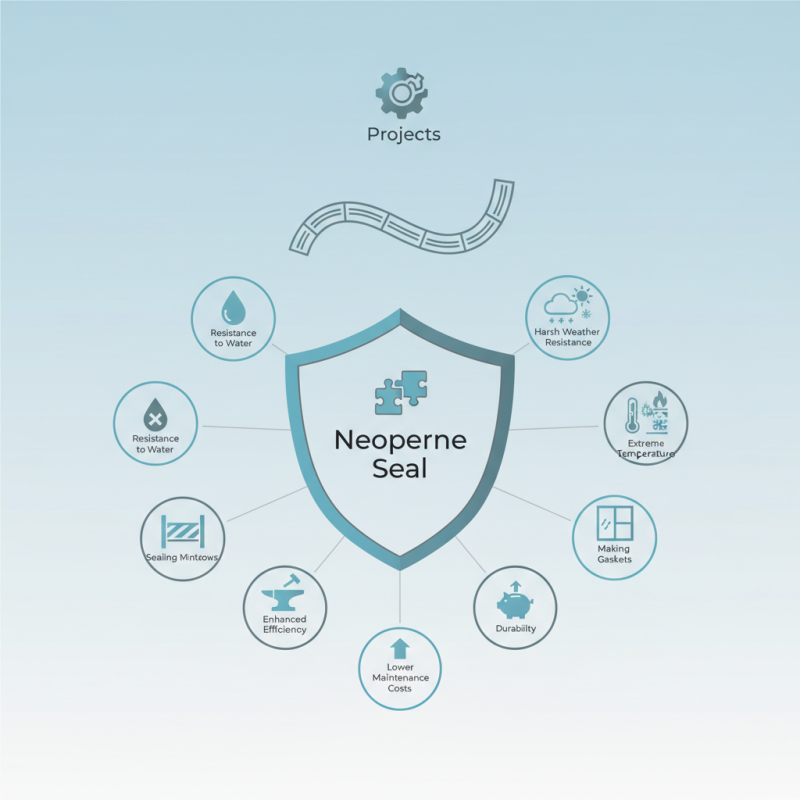
When embarking on various projects, selecting the right materials is crucial. One of the standout options is the Neoprene Seal. This versatile material has gained recognition across different industries for its impressive benefits. Whether you're sealing windows, making gaskets, or creating protective barriers, a Neoprene Seal can enhance efficiency and durability.
The advantages of using a Neoprene Seal are manifold. Its resistance to water and harsh weather conditions makes it an excellent choice for outdoor applications. Moreover, Neoprene can tolerate extreme temperatures, ensuring reliability in diverse environments. However, it’s important to remember that not all projects are the same, and choosing the right seal depends on specific requirements.
Some users may overlook potential downsides, such as the cost relative to alternative materials. Yet, the long-term benefits often justify this investment. The durability and effectiveness of a Neoprene Seal frequently lead to lower maintenance costs. Hence, understanding both its strengths and weaknesses is key to making an informed decision.
Key Characteristics of Neoprene Seal Materials
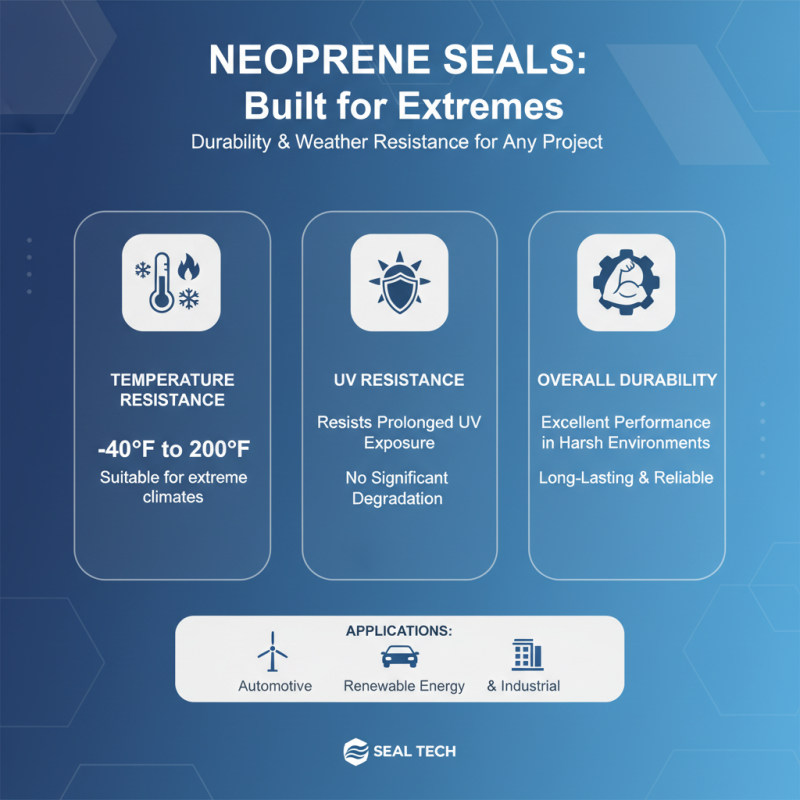
Neoprene seals are widely revered in various industries, owing to their unique characteristics. Known for their flexibility and durability, neoprene remains functional in extreme temperatures, ranging from -40°F to 200°F. This resilience makes it a preferred choice in automotive and construction projects. According to a recent industry report, neoprene seals can maintain their physical properties even after prolonged exposure to environmental factors like UV light and ozone.
The material's excellent water resistance adds to its appeal. Neoprene’s closed-cell structure prevents water absorption, making it ideal for sealing applications in wet environments. This resistance to moisture also contributes to its longevity. Studies indicate that using neoprene seals can increase the lifespan of machinery parts by up to 30%. This can ultimately lead to lower maintenance costs over time.
Tips: When selecting neoprene seals, consider the specific project requirements. Different formulations may yield varying hardness levels. It's essential to analyze your project's exposure conditions to choose the right neoprene type. Additionally, improper installation can reduce effectiveness. Attention to detail during application can prevent costly leaks and failures in the future. Be mindful that while neoprene is versatile, it may not be suitable for all chemical exposures, which is crucial to consider in your design phase.
Top 10 Benefits of Using Neoprene Seal for Your Projects
| Benefit |
Description |
| Water Resistance |
Neoprene seals provide excellent waterproofing, preventing leakage in various applications. |
| Temperature Tolerance |
They maintain their flexibility and sealing ability in a wide temperature range, from -40°C to 120°C. |
| Chemical Resistance |
Neoprene is resistant to oils, greases, and many chemicals, making it suitable for industrial uses. |
| Durability |
These seals are wear-resistant and have a long lifespan, reducing the need for frequent replacements. |
| Flexibility |
Neoprene seals are highly flexible, allowing for easy installation in various configurations. |
| Sound Insulation |
They provide excellent sound-dampening properties, enhancing comfort in enclosed spaces. |
| UV Resistance |
Neoprene seals can withstand UV exposure, making them suitable for outdoor applications. |
| Cost-Effectiveness |
Their durability and longevity reduce maintenance costs, making them a cost-effective choice. |
| Customization |
Neoprene seals can be customized in size and thickness to meet specific project needs. |
| Eco-Friendly Options |
Some neoprene seals are available in eco-friendly formulations, reducing environmental impact. |
Advantages of Neoprene Seals in Various Applications
Neoprene seals are essential components in many applications due to their remarkable properties. They offer excellent resistance to water, oil, and various chemicals. This makes them ideal for automotive and industrial projects. Their flexibility allows them to fit snugly in different spaces, ensuring a secure seal. This adaptability is crucial for preventing leaks and maintaining efficiency in machines.
In construction and plumbing, neoprene seals are commonly used. They can withstand extreme temperatures, from heat to cold, without losing their integrity. This reliability is vital in maintaining the longevity of projects. Moreover, their noise-dampening qualities provide additional benefits in residential and commercial buildings.
However, it's essential to consider that not all neoprene seals are created equal. Different grades and thicknesses can impact performance. Some projects may require more rigorous testing to ensure compatibility with specific substances. Failing to choose the right type can lead to premature wear or even seal failure. Thus, consulting with professionals about the specific needs of a project is recommended.
Balancing cost with quality is also a significant consideration. While neoprene seals can be more expensive, the long-term savings from increased durability often justify the investment.
Durability and Weather Resistance of Neoprene Seals
Neoprene seals are increasingly popular in various projects due to their remarkable durability and weather resistance. In tough environments, neoprene demonstrates excellent performance. For example, it can resist temperatures ranging from -40°F to 200°F. This makes it suitable for extreme climate conditions. Research shows that neoprene can withstand prolonged exposure to UV light without significant degradation.
Moreover, neoprene seals provide superior water and chemical resistance. In construction, these seals help protect joints, preventing leaks that can compromise structure integrity. A recent industry report indicates that using neoprene seals can reduce maintenance costs by up to 30%. This statistic underscores their reliability and long-term cost-effectiveness.
While neoprene's qualities are impressive, there are cases where seal failure can occur. For instance, improper installation or extreme wear can diminish performance. It’s essential to ensure proper application to maximize their potential. Each project requires careful consideration of conditions impacting seal longevity. Understanding these nuances allows for better decision-making in selecting materials for your needs.
Cost-Effectiveness of Using Neoprene Seals for Projects
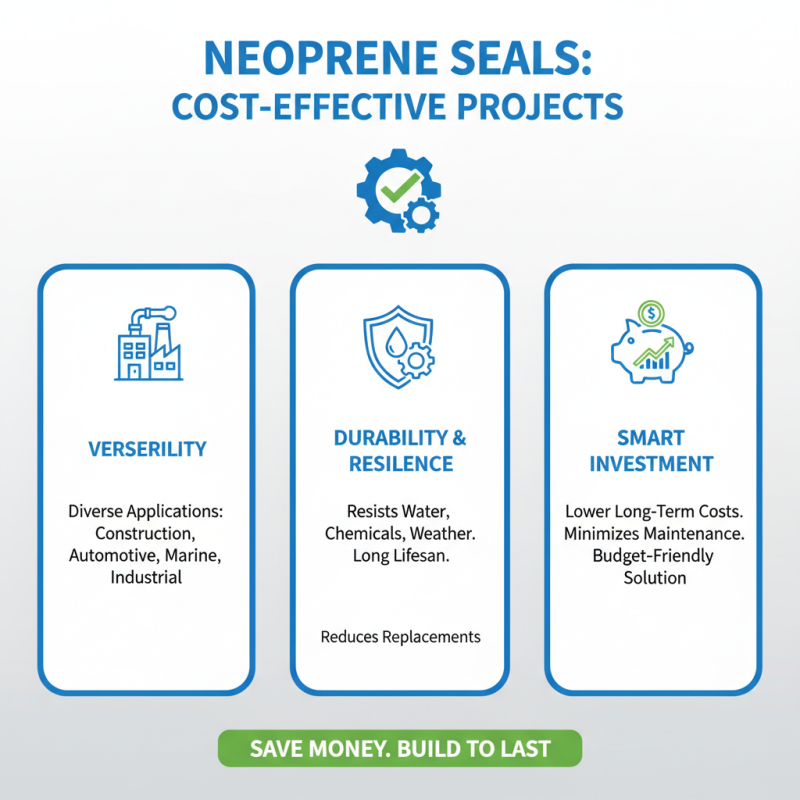
Neoprene seals have gained popularity in various projects due to their cost-effectiveness. This material is versatile and resilient, ideal for different applications. Projects can often face budget constraints, so choosing the right sealing solution is crucial. Neoprene’s durability and flexibility make it a smart choice that can save money in the long run.
When considering cost, the initial investment might seem higher than other materials. However, neoprene seals often lead to lower maintenance costs. Their ability to withstand harsh conditions means fewer replacements are necessary. Over time, this can result in significant savings. Additionally, neoprene’s reliability reduces the risk of leaks or failures, preventing costly downtimes.
It is worth reflecting on the selection process. Not every project may require neoprene seals. Evaluate the specific needs and conditions of your project to determine suitability. While neoprene offers many benefits, other materials may work better in certain scenarios. Balancing cost and performance is key to making the right choice. This thoughtful approach will lead to better project outcomes.
Environmental Impact and Sustainability of Neoprene Seals
Neoprene seals are a sustainable choice for many projects. The material is synthetic but can be recycled in specific ways. According to a report by the International Rubber Study Group, neoprene has a lower environmental impact compared to other synthetic rubbers. Its production emits fewer greenhouse gases, making it a preferable option.
It’s essential to consider the lifecycle of neoprene. While it is durable, its disposal can be problematic. Many facilities don’t accept neoprene for recycling. This creates challenges but also opportunities for improvement. Awareness around proper disposal methods can enhance sustainability efforts within industries reliant on neoprene.
Additionally, the adaptability of neoprene allows it to be used in diverse applications. From automotive to construction, neoprene seals demonstrate versatility. However, over-reliance on one material raises questions about resource use. Understanding these dynamics is crucial for businesses seeking sustainable solutions. Industry professionals often stress the importance of responsible sourcing and recycling programs. These practices can minimize the negative impacts associated with neoprene usage.
Top 10 Benefits of Using Neoprene Seal for Your Projects
This chart illustrates the top 10 benefits of using neoprene seals in various projects. Each benefit is scored out of 10, showcasing the strengths such as durability and water resistance, which are significant factors in environmental impact and sustainability.