





Suzhou Menhow Electronics - Connecting MES Data Links for Precise Quality Control of Silicone Rubber Products and Flexible Printed Electronics

As a green alternative to traditional petroleum-based silicone, bio-based and biodegradable silicone has seen its raw material substitution routes continuously expanded, with diversified applications of renewable resources ranging from castor oil and corn starch to rice husks. Food-grade products with a bio-based content of ≥60% have been successfully developed. Compared with traditional petroleum-based silicone, such products reduce carbon emissions by 35% and lower the migration of volatile substances to 0.3%. Catalyzed by both the industrialization of technologies and the upgrading of market demand, bio-based silicone has experienced explosive growth, been successfully incorporated into the sustainable procurement systems of leading enterprises such as Apple and Tesla, and gained recognition in the high-end market.
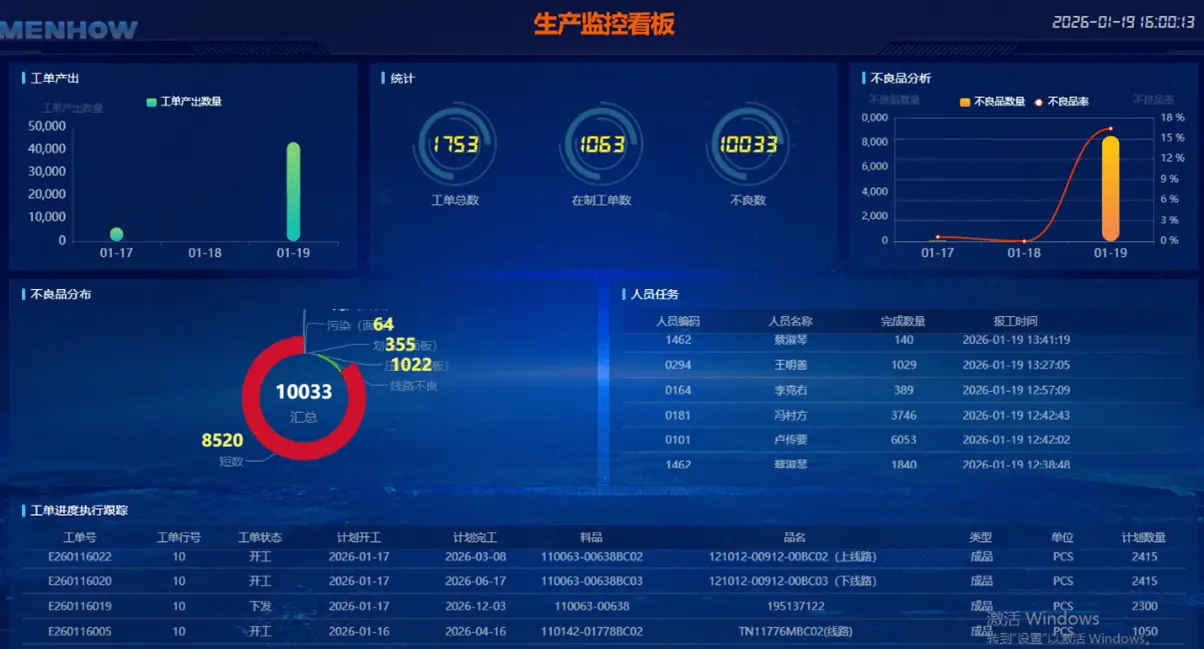
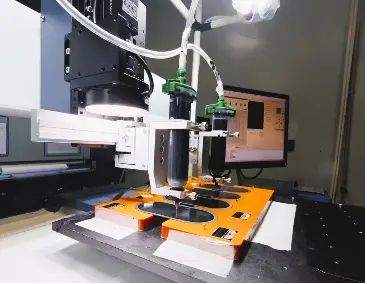
The data link between the AOI system and MES system is synchronized, enabling real-time upload of inspection data, test results, defect information, and other key data of each product to the MES platform. This achieves the full lifecycle traceability, analyzability, and controllability of quality data.
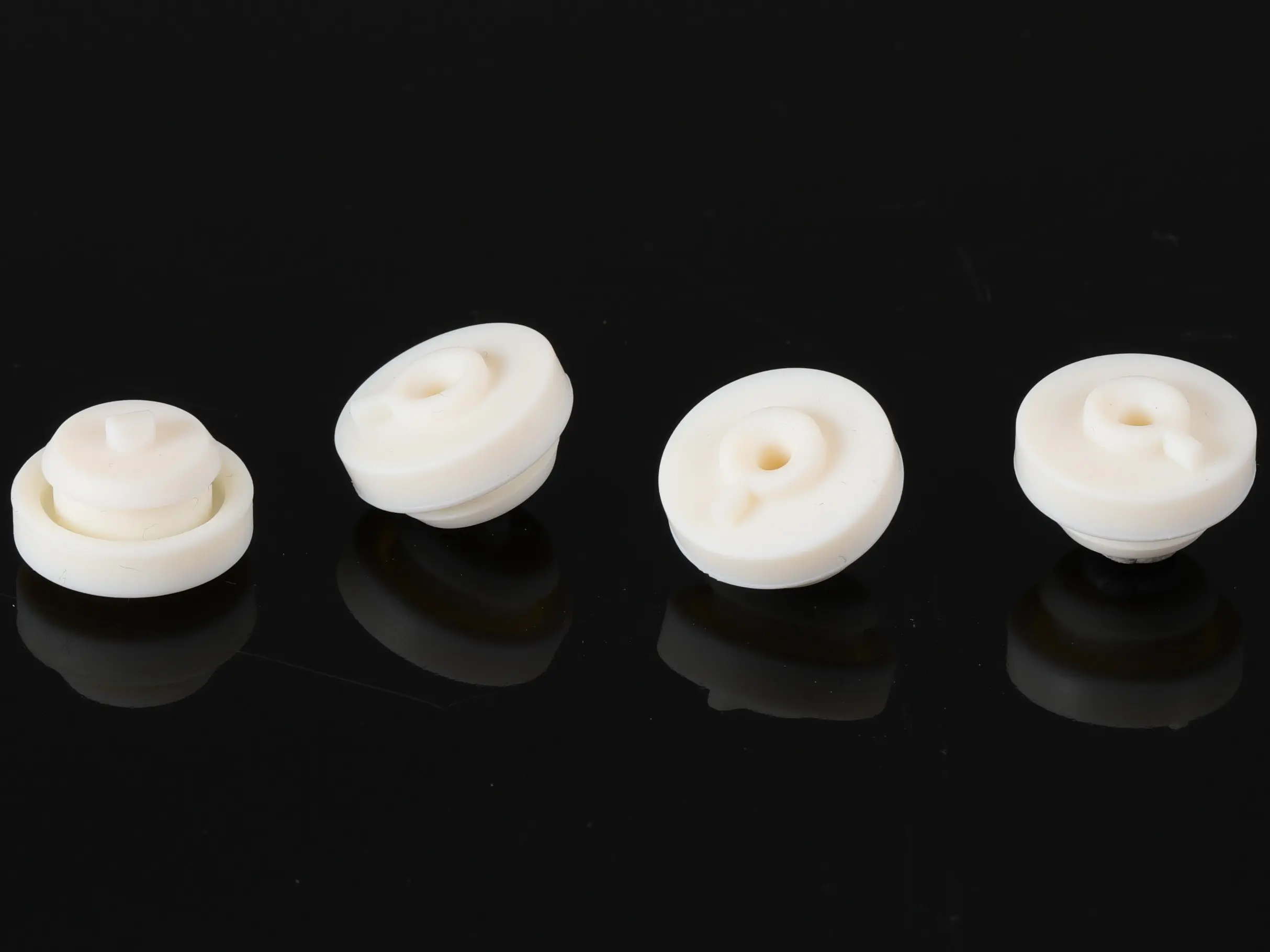
● Real-time Data Upload and Archiving: For example, after AOI inspection of newly produced liquid silicone rubber parts, the system automatically uploads core information such as the product identification code, inspection time, equipment number, operator, defect type, and defect location of the LSR overmolded parts to the MES system, forming an exclusive file to ensure data timeliness.
● Precise Traceability and Localization: For small and precision printed Ecg electrode products, relying on the data association capability of the MES system, the full AOI inspection data of the corresponding product can be quickly traced through the product batch, order number, or product identification code. Meanwhile, it links with production process, raw material batch, and other information to achieve precise root cause localization of quality issues.
● Data-driven Process Optimization: The MES system statistics AOI inspection data and generates defect trend analysis. Based on this, potential problems such as printing parameter deviations and equipment precision drift can be accurately identified, promoting process parameter optimization and equipment maintenance upgrading, and reducing product defect rates.