










Tackling Industry Pain Points: Suzhou Menhow Innovates Teflon Coating Technology for Silicone Rubber Seals, Empowering High-End Manufacturing
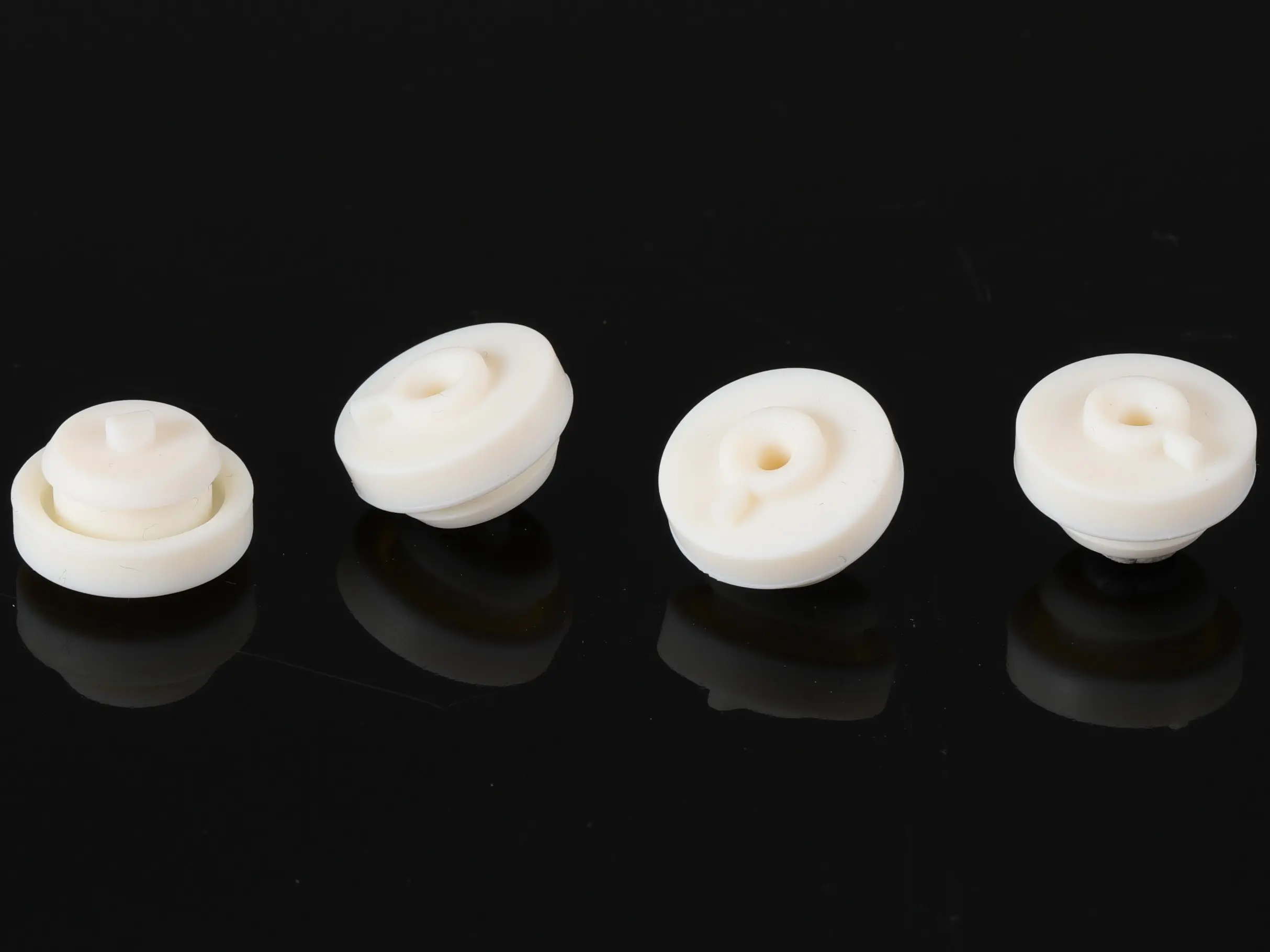
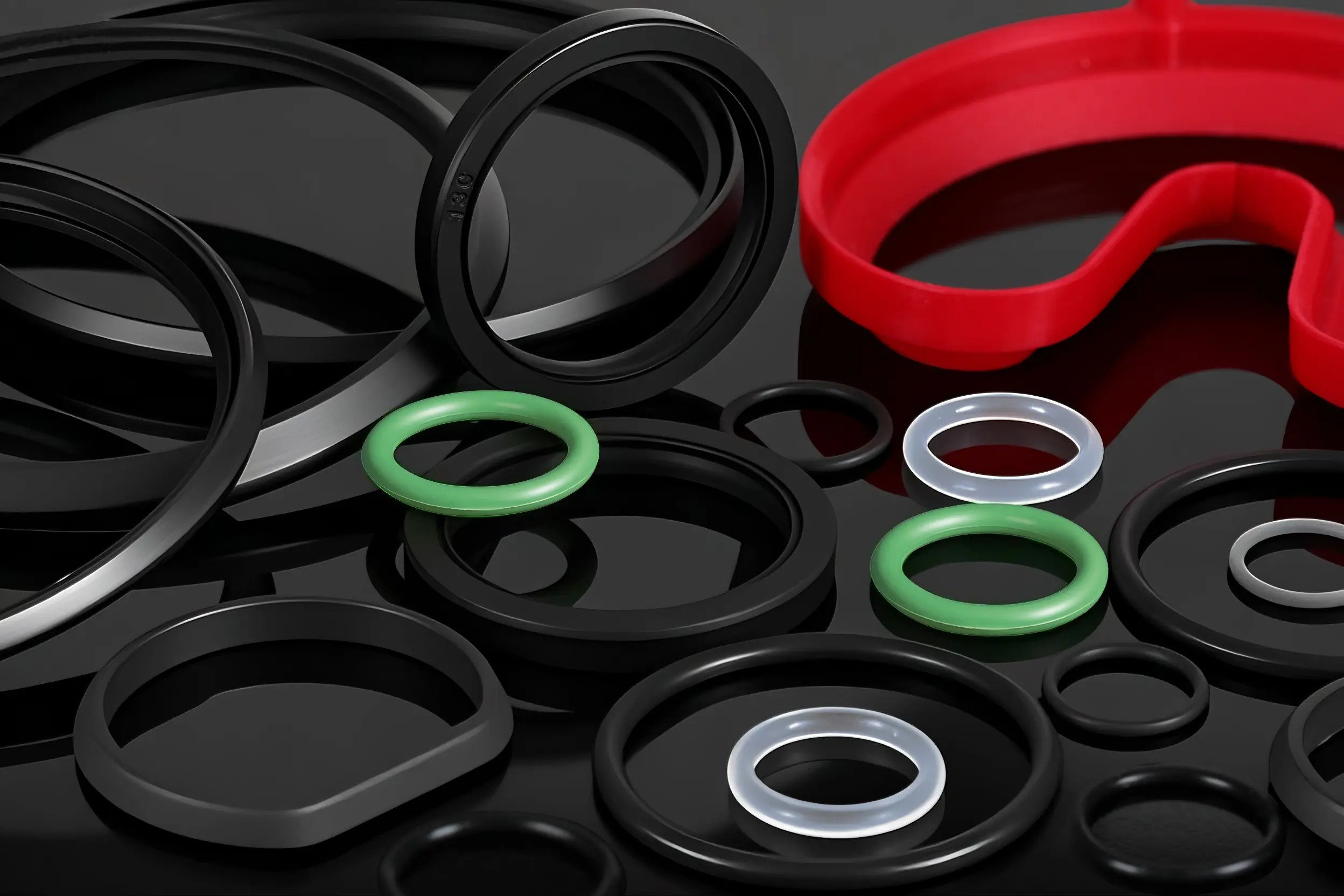
As a player deeply rooted in the silicone rubber industry, I know sealing performance is critical to industrial equipment reliability, safety and service life. Silicone rubber seals, when combined with Teflon (PTFE) coating, deliver "1+1>2" synergy—boasting elasticity, temperature resistance, chemical corrosion resistance and low friction to withstand harsh conditions, extending service life significantly.
Yet traditional Teflon coating processes suffer four core pain points: poor adhesion (over 5% detachment in cross-cut tests, worsening under dynamic compression), frequent appearance defects and inconsistent performance (bubbles, pinholes, over 10% batch thickness variation, sintering discoloration), high cost-efficiency imbalance (heavy equipment investment, parameter sensitivity causing full-batch scrapping), and safety-environmental limitations (toxic fumes above 300℃, poor scratch resistance, weak alkali adaptability). These bottlenecks restrict large-scale application, demanding urgent breakthroughs.
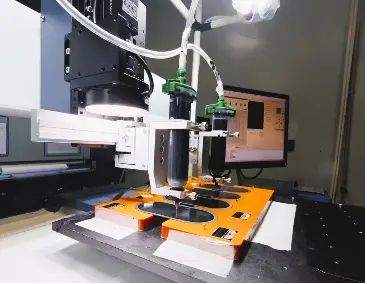
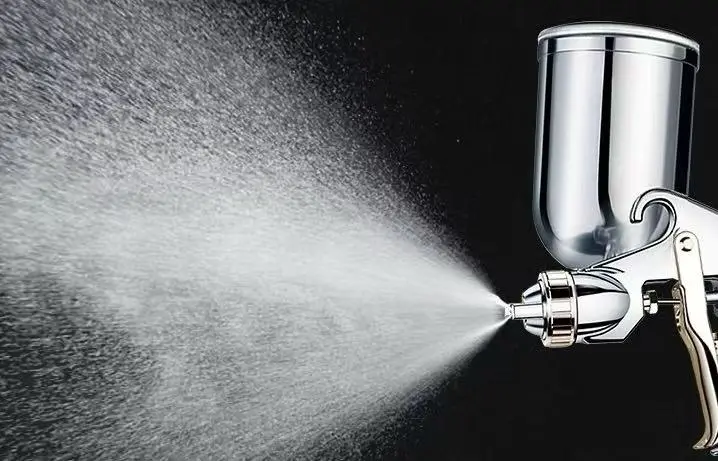
With over 20 years of dedicated experience in rubber seals and silicone O-rings, the R&D team of Suzhou Menhow stands as a seasoned player in the silicone rubber industry. To address these issues, after hundreds of experiments, developed unique pretreatment and curing technologies, overcoming Teflon-silicone adhesion challenges and building a full-process control system. We control spraying humidity below 50%, use filtered 15-35μm Teflon powder, dry substrates at 80℃ and vacuum-degas coatings to eliminate defects. Robotic spraying (±0.1m/s error) and online thickness detection cut batch variation to below 5%. Optimized sintering with thermocouples (±5℃ difference) resolves discoloration.
Green solutions include physical sandblasting instead of chemical etching, low-VOC coatings, and a waste gas treatment process (≥95% VOCs removal). Wear-resistant additives and alkali-resistant formulas boost Taber abrasion resistance to over 1000 cycles, expanding applications. A parameter database and first-article inspection system raise qualification rates of silicone sealing rings to over 99%, slashing rework losses.
Innovation drives industry progress. Teflon coating is just our starting point in material surface modification. We are exploring more composite coating technologies, targeting a 50% improvement in rubber for sealing performance within three years. As a player deeply rooted in the silicone rubber industry, we are fully aware that innovation is the fundamental driving force for industrial progress. The Teflon coating process is merely a starting point for our research into material surface modification technologies. We are currently exploring more composite coating technologies, with the goal of improving the performance indicators of seals by an additional 50% within the next three years.